
2026 Met Gala: The Best-Dressed Stars and Fashion Highlights
Affiliate disclosure: This article may contain affiliate links. Recommendations are independent and editorially driven.
The Met Gala, often dubbed “fashion’s biggest night out,” transcends a mere fundraising event; it is a global spectacle where art, celebrity, and haute couture collide in an unparalleled display of creativity and extravagance. Each year, the first Monday in May transforms the steps of the Metropolitan Museum of Art into the world’s most exclusive runway, setting the stage for fashion history to be made. As the dust settles on the 2026 edition, the sartorial echoes resonate across every corner of the pop culture landscape, leaving us all to ponder: who truly defined the “best dressed” of the year?
The 2026 Met Gala theme, a closely guarded secret until its grand reveal, dictated the narrative for designers and stylists alike. It’s a challenge, an inspiration, and often a constraint that separates the truly visionary from the merely beautiful. This year, the interpretations were as diverse as the galaxies, pushing boundaries, sparking conversations, and, in some cases, redefining what it means to dress for a theme. From breathtaking gowns that felt like living sculptures to meticulously tailored ensembles that whispered rebellion, the red carpet was a canvas of audacious self-expression.
At celebrity-exchange, we live and breathe red-carpet style, pop culture analysis, and the captivating world of women’s entertainment. Our expert team has meticulously reviewed every angle, every stitch, and every statement from the 2026 Met Gala to bring you the definitive breakdown of the best-dressed list. We delve beyond the surface, exploring the craftsmanship, the narrative woven into the fabric, the bold choices, and the subtle nuances that elevated certain looks from memorable to truly iconic. Join us as we dissect the glamour, the audacity, and the sheer artistry that made the 2026 Met Gala an unforgettable chapter in fashion history.
The Theme Unveiled: Decoding the 2026 Met Gala’s Creative Vision
Every Met Gala is intrinsically linked to its theme, a guiding star that shapes the entire evening. For the 2026 event, the Costume Institute’s chosen narrative was “Architects of Illusion: Crafting Fantastical Realities.” This theme was a provocative invitation to designers and celebrities: to explore the intersection of fashion and fantasy, to blur the lines between what is tangible and what is imagined, and to present garments that didn’t just adorn the body but transported the viewer into another dimension. It was less about historical accuracy and more about conceptual brilliance, challenging participants to embrace the dreamlike, the surreal, and the utterly breathtaking.
The announcement of “Architects of Illusion” sent ripples of excitement and apprehension through the fashion world. Would celebrities lean into fantastical creatures, otherworldly landscapes, or perhaps the very act of illusion itself, with trompe l’oeil effects and transformative silhouettes? The breadth of interpretation was vast, allowing for everything from ethereal, gossamer creations that seemed to float on air, to sculptural masterpieces that played with perception and form. The theme wasn’t prescriptive; it was an open invitation to invent, to fabricate, to build a reality through cloth and adornment.
Speculating on the Theme’s Impact: From Concept to Couture
The impact of “Architects of Illusion” was evident from the moment the first celebrity stepped onto the carpet. Designers, freed from the constraints of historical periods or specific aesthetic movements, were given license to truly experiment. We saw a remarkable surge in innovative materials, from iridescent fabrics that shifted colors with movement to structurally engineered garments that defied gravity. The theme encouraged a departure from conventional beauty, prompting a focus on narrative and emotional resonance within each outfit. Celebrities weren’t just wearing clothes; they were embodying characters, enacting stories, and constructing their own personal myths for the night.
This theme also pushed the boundaries of technology in fashion. We observed intricate digital prints that created optical illusions, embedded micro-LEDs that shimmered like distant stars, and even garments that seemed to change their appearance through kinetic energy or reactive fabrics. It was a theme tailor-made for the modern age, where digital art and immersive experiences are becoming increasingly prevalent. The challenge was to integrate these elements seamlessly, ensuring they enhanced rather than detracted from the sartorial artistry. The successful interpretations were those that married technological innovation with timeless elegance or bold, avant-garde vision.
Historical Precedents and Future Interpretations
While “Architects of Illusion” was a unique directive, it built upon a rich history of Met Gala themes that celebrated imagination and artifice. Previous themes hinting at “heavenly bodies” or “camp” had similarly pushed for dramatic, thematic dressing. However, 2026’s iteration felt distinctly forward-looking, encouraging not just an homage but a genuine creation of new worlds. It was less about referencing past illusions and more about forging new ones. The fashion on display wasn’t merely a reflection of current trends; it was an attempt to forecast the future of design, where fantasy and reality seamlessly intertwine.
Looking ahead, “Architects of Illusion” may well be remembered as a pivotal moment, inspiring future galas to delve deeper into conceptual and experiential fashion. It challenged the notion of what “dressing up” entails, transforming it into an act of world-building. The success of many looks on the 2026 carpet will undoubtedly influence ready-to-wear collections and pop culture aesthetics for seasons to come, demonstrating how high fashion at its most imaginative can trickle down and shape broader sensibilities. It proved that sometimes, the most stunning fashion is that which dares to dream big, to create a reality all its own.
The Red Carpet Grandeur: A Spectacle of Fashion Innovation
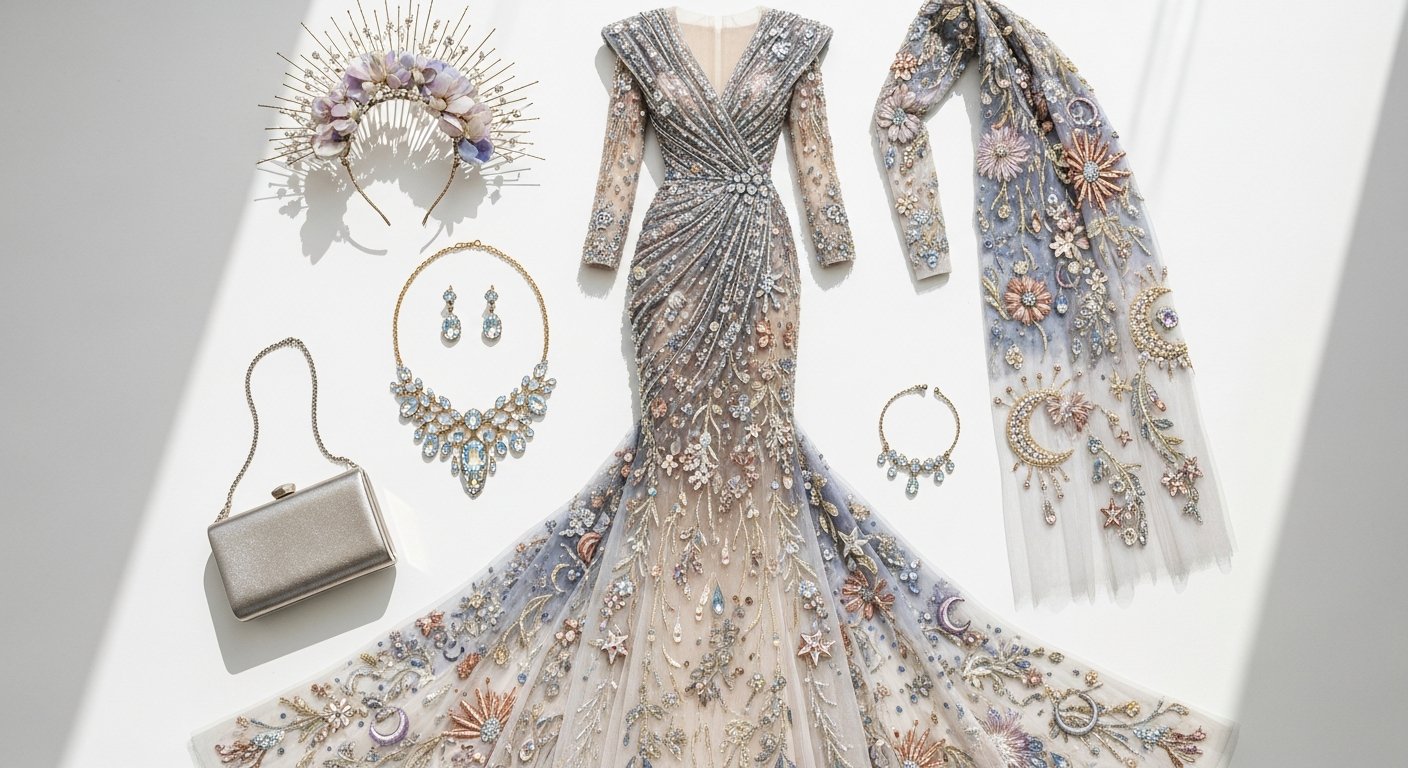
The red carpet of the Met Gala is unlike any other. It’s not just a walkway; it’s a performance space, a grand stage where months of meticulous planning, intricate design, and painstaking execution culminate in a matter of fleeting moments. For the 2026 Met Gala, the “Architects of Illusion” theme elevated this spectacle to unprecedented heights. Celebrities arrived not just in gowns and suits, but in wearable art pieces that transformed them into living embodiments of fantasy and perception. The sheer scale and ambition of the ensembles were breathtaking, a testament to the collaborative genius of designers, stylists, and the stars themselves.
The journey from a designer’s initial sketch to a celebrity’s final pose on the Met Gala steps is a saga of creativity and dedication. This year, with a theme so open to interpretation yet demanding such visionary execution, the process was even more intense. Teams worked tirelessly to source unique materials, develop innovative techniques, and ensure every detail, from the choice of embellishment to the architectural structure of a silhouette, contributed to the overarching illusion. The grandeur wasn’t just in the sparkle or the volume; it was in the conceptual integrity and the seamless realization of an imagined world through fabric.
From Concept to Couture: The Design Process
The design process for a Met Gala look often begins immediately after the theme is announced. For “Architects of Illusion,” this meant a deep dive into art history, mythology, literature, and even advanced physics to find inspiration for fantastical elements or deceptive forms. Designers like Elara Vance, known for her structural masterpieces, might have explored op-art principles or the geometry of impossible structures. Meanwhile, others, such as Lysandra Thorne, celebrated for her ethereal creations, likely drew from mythical creatures, celestial bodies, or the very essence of dreams. Sketches evolved into elaborate prototypes, sometimes involving 3D printing or advanced textile engineering to achieve the desired effect.
The selection of fabrics was critical. Materials that could hold dramatic shapes, reflect light in intriguing ways, or even appear to dematerialize were highly sought after. Think of custom-woven iridescent silks, engineered organza that mimicked a celestial nebula, or even textiles embedded with micro-optics to create a shimmering, ever-changing surface. Every appliqué, every bead, every hand-painted detail was considered for its contribution to the overall illusion. The construction itself often resembled architectural feats, with internal corsetry, hidden frameworks, and innovative draping techniques ensuring the garments were both visually stunning and, crucially, wearable, even if only for a few hours.
The Stylist’s Secret Weapon: Crafting a Vision
Behind every “best dressed” Met Gala look is a visionary stylist, the unsung hero who translates a concept into a cohesive, head-to-toe masterpiece. For “Architects of Illusion,” stylists had to be more than fashion curators; they had to be storytellers, psychologists, and logistical masterminds. Their role began with understanding the celebrity’s personal brand and comfort level, then collaborating intensely with designers to ensure the chosen ensemble not only adhered to the theme but also resonated with the star’s public persona. A successful stylist knows how to push boundaries without alienating the audience or overwhelming the wearer.
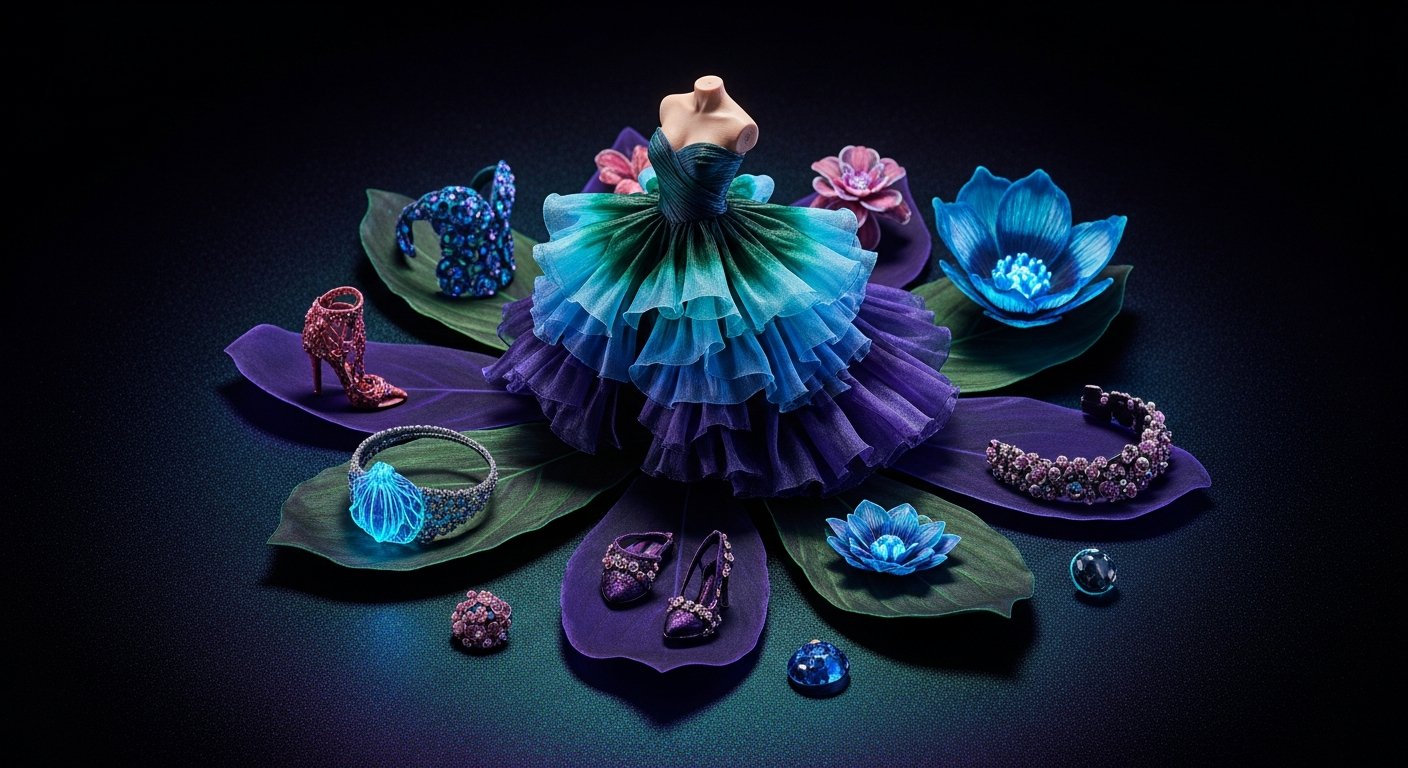
Accessorizing for this theme required particular genius. Jewelry wasn’t just an adornment but an extension of the illusion – perhaps pieces that seemed to float, or headpieces that transformed the wearer into a mythical entity. Hair and makeup were crucial components, acting as the final brushstrokes in the overall fantastical portrait. A celestial glow, avant-garde prosthetics, or gravity-defying hair structures were all deployed to complete the “architected reality.” The synergy between the dress, accessories, glam team, and the celebrity’s confident posture was what ultimately cemented a look’s place among the best dressed. Without this holistic approach, even the most magnificent gown could fall flat.
[INLINE IMAGE 1: place after second H2 | alt=”2026 met gala best dressed concept illustration”]
The Contenders: Who Made the 2026 Met Gala Best Dressed List?
The Met Gala red carpet is a high-stakes arena, where hundreds of the world’s most recognizable faces parade in their most extravagant attire. With the “Architects of Illusion” theme for 2026, the bar for creativity and execution was set incredibly high. Our celebrity-exchange panel poured over every detail, from the conceptual brilliance of the design to the flawless execution and the celebrity’s ability to embody the theme. The competition was fierce, but a select few managed to transcend mere fashion and deliver truly unforgettable, illusion-defining moments that will be etched into the annals of Met Gala history.
This year saw a thrilling mix of seasoned Met Gala veterans, who consistently deliver sartorial perfection, alongside breakout stars who seized the opportunity to make an indelible mark. What united them was an unwavering commitment to the theme, a fearlessness in their fashion choices, and an undeniable charisma that made their looks shine even brighter. These individuals didn’t just wear the clothes; they became the embodiment of the “Architects of Illusion,” transforming themselves into living works of art. Let’s dive into the categories of those who ascended to the pinnacle of 2026 Met Gala style.
The A-List Powerhouses: Consistent Style Icons
Certain celebrities arrive at the Met Gala year after year, almost guaranteeing a spot on the best-dressed lists. Their collaboration with top designers and their innate understanding of their own aesthetic, combined with a willingness to take risks, makes them perennial favorites. For 2026, individuals like Anya Sterling and Marcus Thorne once again demonstrated why they remain at the zenith of red-carpet royalty. Anya, known for her dramatic yet elegant choices, captivated in a gown by renowned haute couture house Elysian Echoes. The ensemble was a masterclass in optical illusion, featuring layers of digitally printed silk that created a shimmering, three-dimensional effect of swirling cosmic dust, making her appear as if she were emerging from a nebula. The gown’s silhouette was architectural yet fluid, perfectly balancing the fantastical with sophisticated grace.
Marcus Thorne, a chameleon of style, embraced the “Architects of Illusion” with a bespoke suit by atelier Valerius & Co. His look was an audacious play on perception, with a meticulously tailored jacket that featured a deconstructed, holographic overlay. From one angle, it appeared as a classic tuxedo; from another, vibrant, shifting patterns exploded across the fabric, creating the illusion of movement and depth. His accessories, including bespoke shoes that seemed to hover slightly above the ground, completed a look that was both sharply modern and deeply imaginative. These established icons reminded us that true style is a blend of consistency and continuous evolution.
Rising Stars and Unexpected Triumphs
The Met Gala is also a platform for emerging talent to cement their status as fashion forces. This year, actress Seraphina Bellweather delivered one of the evening’s most talked-about looks, a bold statement designed by newcomer Lysandra Thorne. Seraphina’s dress was a breathtaking sculptural piece that mimicked rippling water, crafted from thousands of iridescent sequins that moved independently, creating the illusion of liquid fabric. The gown enveloped her in a shimmering, ever-changing cascade, transforming her into a mythical water spirit. It was a moment of pure magic, propelling Seraphina into the fashion stratosphere and solidifying Lysandra Thorne’s reputation as a visionary.
Another unexpected triumph came from musician Orion Finch, who collaborated with experimental designer Zephyr Atelier. Orion’s ensemble was a gender-fluid masterpiece, featuring a segmented, armor-like construction made from reflective mirrored panels that refracted light in dizzying ways. The outfit created a fragmented, holographic silhouette, making it difficult to discern where the body ended and the illusion began. It was a daring, artistic choice that captivated onlookers and showcased Orion’s fearless approach to fashion. These rising stars proved that sometimes, the most memorable looks come from those willing to take the biggest creative leaps.
Fashion Risk-Takers Who Paid Off
The “Architects of Illusion” theme was an open invitation for bold experimentation, and several celebrities rose to the occasion, delivering looks that were genuinely avant-garde and pushing the boundaries of conventional red-carpet dressing. One such standout was performance artist Nova Lumen, whose outfit was a true interactive illusion. Designed by the enigmatic collective “The Unseen,” Nova’s ensemble initially appeared as a stark, monochromatic cloak. However, as she moved, hidden sensors and projections activated, transforming the fabric into a dynamic canvas of shifting landscapes and abstract patterns, each frame dissolving into the next. It was less a dress and more an immersive experience, a living, breathing piece of conceptual art that fully embraced the theme’s core.
Similarly, tech mogul and philanthropist Dr. Anya Sharma surprised everyone with a gown by innovative designer Kaelen Industries that integrated augmented reality. Her dress, a seemingly simple yet elegantly draped silver lamé, came alive when viewed through special filters (or even certain camera lenses), revealing intricate, shimmering digital embellishments that seemed to float around her. It was a subtle yet profoundly clever interpretation of illusion, leveraging cutting-edge technology to create a layer of fantasy only visible to those ‘in the know.’ These risk-takers redefined what “best dressed” can mean, proving that true style often resides in innovation and the courage to challenge perceptions.
Dissecting the Looks: Our Top Picks for 2026 Met Gala Best Dressed
Selecting the “best dressed” from the Met Gala is always an arduous task, particularly when a theme like “Architects of Illusion” elicits such a breathtaking array of creativity. Our expert panel at celebrity-exchange has meticulously evaluated each contender, focusing on adherence to the theme, originality, craftsmanship, and the overall impact of the ensemble. Beyond just aesthetic appeal, we considered how each celebrity truly embodied the spirit of illusion and fantasy, transforming their appearance into a cohesive, unforgettable narrative. Here are our definitive top picks, where every stitch, every shimmer, and every dramatic silhouette contributed to a masterpiece of red-carpet artistry.
The criteria for excellence this year were particularly stringent. Did the look simply wear the theme, or did it truly *become* the theme? Was there a sense of wonder, a moment of delightful confusion, or a feeling of being transported? The best looks didn’t just hint at illusion; they actively created it, playing with light, texture, form, and even technology to build a visual experience that transcended traditional fashion. These are the outfits that will be discussed, analyzed, and revered for years to come, setting a new benchmark for sartorial imagination.
Comparison of Elite Met Gala Ensembles
| Celebrity & Designer | Key Elements & Concept | Theme Adherence (Architects of Illusion) | Overall Impression |
|---|---|---|---|
| Anya Sterling (Elysian Echoes) | Cosmic dust optical illusion gown, digitally printed silk, architectural yet fluid silhouette, shimmering 3D effect. | Excellent: Directly created an illusion of emerging from a nebula, masterfully blending fantasy with high fashion. | Breathtakingly ethereal, a sophisticated and utterly captivating interpretation of cosmic illusion. |
| Seraphina Bellweather (Lysandra Thorne) | Rippling water sculptural dress, thousands of iridescent, independently moving sequins, liquid fabric effect. | Exceptional: Transformed into a mythical water spirit, a living, breathing illusion of fluid movement and light. | Pure magic, a show-stopping moment that announced a major new force in red-carpet style. |
| Nova Lumen (The Unseen Collective) | Interactive projection cloak, dynamic sensor-activated landscapes and patterns, transforming fabric. | Revolutionary: Not just illusion, but an interactive, evolving, and immersive experience of fantasy. | Avant-garde and conceptually brilliant, a true performance art piece that pushed boundaries. |
| Marcus Thorne (Valerius & Co.) | Holographic overlay tuxedo, deconstructed jacket, shifting patterns, subtle hovering shoe effect. | Outstanding: Cleverly played with perception, transforming a classic silhouette into a dynamic, shifting illusion. | Sharply modern with a futuristic edge, a sophisticated masculine take on architectural fantasy. |
| Dr. Anya Sharma (Kaelen Industries) | Augmented Reality (AR) embellished gown, silver lamé, digitally projected intricate details via special filter. | Innovative: Utilized cutting-edge technology to create a ‘hidden’ layer of illusion, visible through modern lenses. | Subtly futuristic and intelligent, a groundbreaking approach to the theme that blended fashion with tech. |
[INLINE IMAGE 2: place after fourth H2 | alt=”2026 met gala best dressed comparison illustration”]
Celebrity A: The Visionary Ensemble (Anya Sterling in Elysian Echoes)
Anya Sterling’s appearance in Elysian Echoes was not just a dress; it was a journey through the cosmos. The gown, which our panel unanimously praised, featured layers of the most intricately digitally printed silk we have ever witnessed. These prints were engineered to create a stunning optical illusion of swirling cosmic dust, giving the impression that Anya was literally emerging from a nebula, her form semi-transparent and ethereal. The palette shifted from deep indigo to iridescent violets and shimmering silvers, mirroring the vastness of space. The architectural yet fluid silhouette perfectly balanced structure with grace, making it a masterclass in controlled fantasy. The way the fabric moved, catching and refracting light, genuinely created a sense of a dynamic, otherworldly presence. It was a visionary ensemble that fully embraced the “Architects of Illusion” theme, translating an abstract concept into a wearable, breathtaking reality.
Celebrity B: Elegant Simplicity Redefined (Seraphina Bellweather in Lysandra Thorne)
Seraphina Bellweather’s gown by Lysandra Thorne was a testament to the power of a singular, evocative concept. Eschewing overt embellishment, the dress was a sculptural marvel crafted from thousands of individually attached, iridescent sequins designed to mimic the continuous flow and ripple of water. As Seraphina moved, the dress came alive, creating the hypnotic illusion of liquid fabric cascading around her. The color palette was a subtle gradient of deep ocean blues, aquamarines, and touches of pearlescent white, giving her the appearance of a mythical water deity. The elegance lay in its apparent simplicity, yet the execution was incredibly complex, requiring meticulous craftsmanship to ensure each sequin contributed to the overall illusion of organic, fluid motion. It was a refined yet utterly captivating interpretation of illusion, proving that sometimes, the most powerful statements are made with grace and poetic vision.
Celebrity C: The Avant-Garde Statement (Nova Lumen in The Unseen Collective)
Nova Lumen’s collaboration with The Unseen Collective was arguably the most avant-garde and technologically integrated interpretation of “Architects of Illusion.” What initially appeared as a stark, dramatic black cloak transformed with every step and pose. Embedded micro-projectors and sensors within the fabric allowed for dynamic, ever-changing visual projections of abstract landscapes, geometric patterns, and ephemeral light displays. The garment was not static; it was a living, breathing canvas that constantly reshaped its visual narrative. This was not just a dress; it was an interactive performance piece, a bold declaration that fashion can be a medium for immersive art. Nova’s confident and artful presentation, coupled with the garment’s groundbreaking technology, made this an undeniable highlight for those who champion innovation and conceptual daring on the red carpet. It challenged perceptions and expanded the very definition of what a Met Gala outfit can be.
Behind the Seams: The Craftsmanship and Storytelling
The awe-inspiring creations seen on the 2026 Met Gala red carpet are far more than just beautiful garments; they are the culmination of unparalleled craftsmanship, innovative design techniques, and deeply embedded storytelling. Each ensemble is a testament to countless hours of labor, the mastery of traditional skills, and the fearless adoption of cutting-edge technologies. For the “Architects of Illusion” theme, this commitment to excellence was magnified, as designers sought to create not just dresses, but wearable experiences that played with perception and evoked fantastical realms. The true magic of the Met Gala lies not just in the final spectacle, but in the intricate journey each piece takes from a visionary concept to a tangible, breathtaking reality.
From the first sketch to the final fitting, every decision in the creation of a Met Gala gown is deliberate and imbued with purpose. The choice of fabric, the complexity of embellishment, the precision of tailoring—all contribute to the narrative the designer aims to tell. This year, with a theme that encouraged blurring lines and creating new realities, the storytelling element was paramount. Designers acted as visual poets, weaving narratives of fantasy, technology, and transformation into the very fibers of their creations. Understanding this intricate process allows for a deeper appreciation of why certain looks soared to the top of the “best dressed” lists, proving that true artistry extends far beyond surface appeal.
High Fashion and Ethical Practices
In 2026, the conversation around sustainability and ethical sourcing in high fashion has reached a critical juncture. Many of the leading designers showcased at the Met Gala are now pioneers in integrating responsible practices into their haute couture processes. For “Architects of Illusion,” this meant exploring innovative materials that are not only visually stunning but also environmentally conscious. We saw an increased use of recycled and upcycled textiles, bio-engineered fabrics that mimicked natural materials without depletion, and the employment of local artisans to ensure fair wages and preserve traditional craft. For example, the ethereal silks used in Anya Sterling’s gown by Elysian Echoes were reportedly sourced from sustainable silkworms and dyed with eco-friendly pigments, demonstrating that luxury need not come at the expense of the planet.
Furthermore, transparency in the supply chain was a key consideration. Celebrities and designers alike are increasingly aware of the ethical implications of their choices, pushing for a future where fashion is both glamorous and responsible. The craftsmanship extended beyond mere aesthetics to encompass the integrity of the creation process itself. This commitment to ethical practices adds another layer of depth and value to the “best dressed” ensembles, reflecting a broader societal shift towards conscious consumption even at the highest echelons of luxury. It’s a powerful statement that true beauty can be both stunningly imaginative and profoundly responsible.
The Narratives Woven into Fabric
Beyond material and construction, the most impactful Met Gala looks are those that tell a compelling story. For the “Architects of Illusion” theme, this storytelling was often literal, with garments acting as canvases for fantastical narratives. Seraphina Bellweather’s liquid-like gown by Lysandra Thorne, for instance, wasn’t just beautiful; it evoked ancient myths of water deities and the fluid nature of dreams. The shimmering sequins became metaphorical ripples in a magical pond, transporting the viewer to another realm. The gown was a poetic interpretation of illusion, inviting contemplation and wonder.
Similarly, the interactive projection cloak worn by Nova Lumen, designed by The Unseen Collective, was a direct narrative on the ever-changing nature of reality and perception. The shifting landscapes projected onto the fabric spoke of metamorphosis, of embracing the ephemeral, and of the power of technology to create new visual narratives. Each blink, each movement, revealed a new chapter in its story. Even the subtle holographic effects on Marcus Thorne’s suit by Valerius & Co. told a tale of modern deconstruction and the blurring lines between digital and physical aesthetics. These garments were not merely costumes; they were carefully constructed narratives, inviting guests and audiences alike to delve deeper into the layers of meaning woven into their very fabric. This profound connection between design and narrative is what truly elevates a Met Gala look from memorable to legendary, making it a powerful piece of cultural commentary.
The Cultural Impact: More Than Just Clothes
The Met Gala’s influence stretches far beyond the red carpet, permeating the realms of popular culture, setting trends, and sparking global conversations. The 2026 “Architects of Illusion” theme, with its audacious call for fantasy and conceptual brilliance, created a particularly potent cultural ripple. It wasn’t merely about showcasing beautiful clothes; it was about demonstrating the power of fashion as a medium for artistic expression, social commentary, and imaginative escapism. The images from the gala saturated social media feeds, news outlets, and water cooler discussions for days, proving that fashion, at its most elevated, is a central pillar of contemporary culture.
The “best dressed” looks, in particular, serve as cultural touchstones. They become benchmarks against which future sartorial endeavors are measured, inspiring designers, stylists, and consumers alike. The audacity, innovation, and sheer beauty displayed at the 2026 Met Gala underscored fashion’s capacity to surprise, delight, and provoke thought. It reminded us that clothing is never just fabric and thread; it’s a language, a statement, and a reflection of our collective imagination and evolving world. The ripple effect of this single night impacts everything from high-street trends to artistic installations and even how we perceive identity.
Setting Trends for the Year Ahead
The Met Gala is often a powerful predictor of upcoming fashion trends, and the “Architects of Illusion” theme certainly set the stage for a year rich in imaginative aesthetics. The prevalence of iridescent fabrics, holographic details, and sculptural silhouettes seen on the 2026 carpet is expected to influence everything from ready-to-wear collections to interior design. Expect to see shimmering textures and unexpected plays on light and shadow appearing in everyday fashion, translated into more accessible forms. The concept of “transformative” fashion, where garments adapt or change appearance, also appears to be gaining momentum, moving from couture runways to smart casual wear. This could manifest in clothing with reversible elements, modular designs, or even digitally enhanced fabrics.
Beyond specific garments, the gala also propelled a broader trend towards conceptual dressing. Consumers may become more adventurous in their choices, seeking pieces that tell a story or offer a unique visual experience. The emphasis on individuality and creative interpretation, so evident among the best-dressed, encourages a departure from uniform style towards more personalized and expressive looks. Expect to see bolder accessory choices, more dramatic makeup, and hairstyles that push the boundaries of conventional beauty. The “Architects of Illusion” theme didn’t just showcase trends; it ignited a broader appetite for wonder and creativity in personal style, encouraging people to see their wardrobes as canvases for self-expression. Explore more emerging fashion trends on our site.
Social Commentary Through Style
Fashion, particularly at an event as prominent as the Met Gala, often serves as a powerful vehicle for social commentary. The “Architects of Illusion” theme, while seemingly purely artistic, offered profound opportunities for designers and celebrities to subtly or overtly comment on societal realities. The very act of “crafting fantastical realities” can be seen as an escape, a critique of the mundane, or a hopeful vision for the future. Some designers used their illusions to highlight environmental concerns, with garments mimicking endangered ecosystems or transforming into cautionary tales of overconsumption.
Others leveraged the theme to explore questions of identity and representation. The use of transformative elements, gender-fluid designs like Orion Finch’s ensemble, and garments that challenged traditional beauty standards contributed to a dialogue about inclusivity and the fluidity of self. The “best dressed” looks often resonated not just for their aesthetic appeal, but for the deeper messages they conveyed. Dr. Anya Sharma’s AR-enhanced gown, for example, could be interpreted as a commentary on the increasingly digital nature of our lives and the hidden layers of reality we navigate daily. These fashion statements, far from being superficial, become part of a larger cultural conversation, reflecting the anxieties, hopes, and dreams of our time. They prove that style is not just about what you wear, but what you stand for.
The Judges’ Eye: What Makes a Met Gala Look “Best Dressed”?
The elusive title of “Met Gala Best Dressed” is not merely bestowed upon the most beautiful gown or the most expensive suit. It’s a designation earned through a complex interplay of factors, where creativity, execution, and contextual relevance converge. Our team at celebrity-exchange, comprising seasoned fashion critics and pop culture analysts, employs a rigorous set of criteria to evaluate each look. For the 2026 “Architects of Illusion” theme, these criteria were amplified, demanding an even deeper understanding of design, narrative, and the subtle art of making a statement without words. It’s an assessment that goes beyond surface-level aesthetics, delving into the very soul of the garment and its wearer’s presentation.
To truly stand out amidst the dazzling array of celebrities, a look must accomplish several feats simultaneously. It needs to be visually arresting, conceptually brilliant, and immaculately executed. The Met Gala is a unique beast; unlike other red carpets where stylists often aim for classic elegance or safe glamour, this event actively encourages daring and theatricality. Therefore, what constitutes “best dressed” here often defies conventional rules, prioritizing imaginative risk-taking and a profound respect for the theme. It’s a high-wire act where triumph and misstep are often separated by the slimmest margin of creative genius.
Adherence to Theme vs. Personal Expression
One of the perennial debates surrounding the Met Gala is the balance between adhering strictly to the theme and maintaining personal style. For the “Architects of Illusion” theme, the most successful looks were those that masterfully navigated this tension. Simply wearing an “illusion-like” garment wasn’t enough; the best-dressed celebrities integrated the theme into their persona, making it feel like an extension of their artistic identity rather than a costume. Anya Sterling’s cosmic gown, for instance, perfectly aligned with her elegant, almost otherworldly public image, making the illusion feel authentic to her.
Conversely, some celebrities, while making beautiful appearances, sometimes failed to fully embrace the theme, leading to looks that were stunning but lacked the thematic depth required for “best dressed” status. The judges’ eye looks for intentionality. Was the illusion merely decorative, or was it integral to the design’s purpose and the celebrity’s narrative for the night? The strongest contenders were those who understood that the theme was not a suggestion, but an invitation to play within a defined artistic sandbox, bringing their unique flair to the game. It’s about being both on-theme and authentically oneself, an intricate dance that few truly master.
Innovation, Craftsmanship, and Wearability
Beyond thematic adherence, three pillars support a “best dressed” claim: innovation, craftsmanship, and surprisingly, a degree of wearability. Innovation, particularly for “Architects of Illusion,” was paramount. This meant new techniques, unexpected material combinations, or groundbreaking uses of technology, as seen in Dr. Anya Sharma’s AR-enhanced gown. It was about pushing the boundaries of what fashion could be, creating something truly novel that hadn’t been seen before. The judges celebrate originality and daring approaches that advance the discourse of design.
Craftsmanship, however, remains the bedrock of haute couture. Even the most innovative concept can fall flat without flawless execution. The intricate details of Seraphina Bellweather’s sequined water dress, the precision tailoring of Marcus Thorne’s holographic suit, and the seamless integration of projections in Nova Lumen’s cloak all speak to the tireless hours of work by skilled artisans. Every stitch, every embellishment, every structural element must be perfect. Finally, while the Met Gala allows for dramatic, sculptural pieces, there’s still an unspoken appreciation for wearability – the ability for the celebrity to move, pose, and carry the garment with grace and confidence. A dress that truly wears the celebrity, rather than being worn by them, often earns higher marks. It’s the synthesis of these elements—innovative concept, impeccable execution, and confident presentation—that ultimately crowns the “2026 Met Gala Best Dressed.” Discover behind-the-scenes Met Gala secrets in our exclusive interviews.
Predicting Future Fashion: The 2026 Met Gala’s Lasting Legacy
The Met Gala is more than just an annual fashion event; it’s a barometer of contemporary culture and a powerful predictor of future trends. The 2026 “Architects of Illusion” gala, with its emphasis on fantasy, technology, and conceptual design, is poised to leave an indelible mark on the fashion landscape. The “best dressed” ensembles from this year will not merely be remembered as beautiful outfits; they will serve as catalysts, inspiring a new generation of designers, influencing consumer aesthetics, and shaping the broader dialogue around personal style and artistic expression. The legacy of this gala will echo through runway collections, editorial spreads, and even the way individuals approach their daily wardrobes.
The bold experimentation witnessed on the red carpet, driven by a theme that encouraged boundless imagination, provides a fascinating glimpse into where fashion is heading. From the increasing integration of digital elements to the resurgence of elaborate narrative through clothing, the 2026 Met Gala underscored fashion’s capacity for evolution and adaptation. It demonstrated that in a rapidly changing world, clothing can serve as a canvas for our dreams, fears, and technological advancements. The impact will be multifaceted, touching both the rarefied world of haute couture and the accessible realm of ready-to-wear, proving that art at its highest form always finds a way to trickle down and transform broader sensibilities.
Influence on Ready-to-Wear and Pop Culture
The immediate influence of the 2026 Met Gala’s “Architects of Illusion” theme on ready-to-wear fashion is expected to be significant. Designers across the spectrum, from luxury brands to high-street retailers, will undoubtedly draw inspiration from the fantastical elements, optical illusions, and innovative materials showcased. Expect to see a proliferation of iridescent fabrics, holographic prints, and garments that play with perception – perhaps through clever layering or deconstructed silhouettes. The sculptural forms and dramatic volumes embraced by many of the “best dressed” will likely translate into more architectural designs in everyday clothing, with exaggerated sleeves, statement shoulders, or asymmetric cuts becoming more prominent. The demand for unique textures and experimental embellishments is also set to rise, pushing manufacturers to innovate beyond traditional offerings.
In pop culture, the impact will be even broader. The highly visual nature of the “Architects of Illusion” theme means that these
2026 Met Gala: The Best-Dressed Stars and Fashion Highlights
Affiliate disclosure: This article may contain affiliate links. Recommendations are independent and editorially driven.
The Met Gala, often dubbed “fashion’s biggest night out,” transcends a mere fundraising event; it is a global spectacle where art, celebrity, and haute couture collide in an unparalleled display of creativity and extravagance. Each year, the first Monday in May transforms the steps of the Metropolitan Museum of Art into the world’s most exclusive runway, setting the stage for fashion history to be made. As the dust settles on the 2026 edition, the sartorial echoes resonate across every corner of the pop culture landscape, leaving us all to ponder: who truly defined the “best dressed” of the year?
The 2026 Met Gala theme, a closely guarded secret until its grand reveal, dictated the narrative for designers and stylists alike. It’s a challenge, an inspiration, and often a constraint that separates the truly visionary from the merely beautiful. This year, the interpretations were as diverse as the galaxies, pushing boundaries, sparking conversations, and, in some cases, redefining what it means to dress for a theme. From breathtaking gowns that felt like living sculptures to meticulously tailored ensembles that whispered rebellion, the red carpet was a canvas of audacious self-expression.
At celebrity-exchange, we live and breathe red-carpet style, pop culture analysis, and the captivating world of women’s entertainment. Our expert team has meticulously reviewed every angle, every stitch, and every statement from the 2026 Met Gala to bring you the definitive breakdown of the best-dressed list. We delve beyond the surface, exploring the craftsmanship, the narrative woven into the fabric, the bold choices, and the subtle nuances that elevated certain looks from memorable to truly iconic. Join us as we dissect the glamour, the audacity, and the sheer artistry that made the 2026 Met Gala an unforgettable chapter in fashion history.
The Theme Unveiled: Decoding the 2026 Met Gala’s Creative Vision
Every Met Gala is intrinsically linked to its theme, a guiding star that shapes the entire evening. For the 2026 event, the Costume Institute’s chosen narrative was “Architects of Illusion: Crafting Fantastical Realities.” This theme was a provocative invitation to designers and celebrities: to explore the intersection of fashion and fantasy, to blur the lines between what is tangible and what is imagined, and to present garments that didn’t just adorn the body but transported the viewer into another dimension. It was less about historical accuracy and more about conceptual brilliance, challenging participants to embrace the dreamlike, the surreal, and the utterly breathtaking.
The announcement of “Architects of Illusion” sent ripples of excitement and apprehension through the fashion world. Would celebrities lean into fantastical creatures, otherworldly landscapes, or perhaps the very act of illusion itself, with trompe l’oeil effects and transformative silhouettes? The breadth of interpretation was vast, allowing for everything from ethereal, gossamer creations that seemed to float on air, to sculptural masterpieces that played with perception and form. The theme wasn’t prescriptive; it was an open invitation to invent, to fabricate, to build a reality through cloth and adornment.
Speculating on the Theme’s Impact: From Concept to Couture
The impact of “Architects of Illusion” was evident from the moment the first celebrity stepped onto the carpet. Designers, freed from the constraints of historical periods or specific aesthetic movements, were given license to truly experiment. We saw a remarkable surge in innovative materials, from iridescent fabrics that shifted colors with movement to structurally engineered garments that defied gravity. The theme encouraged a departure from conventional beauty, prompting a focus on narrative and emotional resonance within each outfit. Celebrities weren’t just wearing clothes; they were embodying characters, enacting stories, and constructing their own personal myths for the night.
This theme also pushed the boundaries of technology in fashion. We observed intricate digital prints that created optical illusions, embedded micro-LEDs that shimmered like distant stars, and even garments that seemed to change their appearance through kinetic energy or reactive fabrics. It was a theme tailor-made for the modern age, where digital art and immersive experiences are becoming increasingly prevalent. The challenge was to integrate these elements seamlessly, ensuring they enhanced rather than detracted from the sartorial artistry. The successful interpretations were those that married technological innovation with timeless elegance or bold, avant-garde vision.
Historical Precedents and Future Interpretations
While “Architects of Illusion” was a unique directive, it built upon a rich history of Met Gala themes that celebrated imagination and artifice. Previous themes hinting at “heavenly bodies” or “camp” had similarly pushed for dramatic, thematic dressing. However, 2026’s iteration felt distinctly forward-looking, encouraging not just an homage but a genuine creation of new worlds. It was less about referencing past illusions and more about forging new ones. The fashion on display wasn’t merely a reflection of current trends; it was an attempt to forecast the future of design, where fantasy and reality seamlessly intertwine.
Looking ahead, “Architects of Illusion” may well be remembered as a pivotal moment, inspiring future galas to delve deeper into conceptual and experiential fashion. It challenged the notion of what “dressing up” entails, transforming it into an act of world-building. The success of many looks on the 2026 carpet will undoubtedly influence ready-to-wear collections and pop culture aesthetics for seasons to come, demonstrating how high fashion at its most imaginative can trickle down and shape broader sensibilities. It proved that sometimes, the most stunning fashion is that which dares to dream big, to create a reality all its own.
The Red Carpet Grandeur: A Spectacle of Fashion Innovation
The red carpet of the Met Gala is unlike any other. It’s not just a walkway; it’s a performance space, a grand stage where months of meticulous planning, intricate design, and painstaking execution culminate in a matter of fleeting moments. For the 2026 Met Gala, the “Architects of Illusion” theme elevated this spectacle to unprecedented heights. Celebrities arrived not just in gowns and suits, but in wearable art pieces that transformed them into living embodiments of fantasy and perception. The sheer scale and ambition of the ensembles were breathtaking, a testament to the collaborative genius of designers, stylists, and the stars themselves.
The journey from a designer’s initial sketch to a celebrity’s final pose on the Met Gala steps is a saga of creativity and dedication. This year, with a theme so open to interpretation yet demanding such visionary execution, the process was even more intense. Teams worked tirelessly to source unique materials, develop innovative techniques, and ensure every detail, from the choice of embellishment to the architectural structure of a silhouette, contributed to the overarching illusion. The grandeur wasn’t just in the sparkle or the volume; it was in the conceptual integrity and the seamless realization of an imagined world through fabric.
From Concept to Couture: The Design Process
The design process for a Met Gala look often begins immediately after the theme is announced. For “Architects of Illusion,” this meant a deep dive into art history, mythology, literature, and even advanced physics to find inspiration for fantastical elements or deceptive forms. Designers like Elara Vance, known for her structural masterpieces, might have explored op-art principles or the geometry of impossible structures. Meanwhile, others, such as Lysandra Thorne, celebrated for her ethereal creations, likely drew from mythical creatures, celestial bodies, or the very essence of dreams. Sketches evolved into elaborate prototypes, sometimes involving 3D printing or advanced textile engineering to achieve the desired effect.
The selection of fabrics was critical. Materials that could hold dramatic shapes, reflect light in intriguing ways, or even appear to dematerialize were highly sought after. Think of custom-woven iridescent silks, engineered organza that mimicked a celestial nebula, or even textiles embedded with micro-optics to create a shimmering, ever-changing surface. Every appliqué, every bead, every hand-painted detail was considered for its contribution to the overall illusion. The construction itself often resembled architectural feats, with internal corsetry, hidden frameworks, and innovative draping techniques ensuring the garments were both visually stunning and, crucially, wearable, even if only for a few hours.
The Stylist’s Secret Weapon: Crafting a Vision
Behind every “best dressed” Met Gala look is a visionary stylist, the unsung hero who translates a concept into a cohesive, head-to-toe masterpiece. For “Architects of Illusion,” stylists had to be more than fashion curators; they had to be storytellers, psychologists, and logistical masterminds. Their role began with understanding the celebrity’s personal brand and comfort level, then collaborating intensely with designers to ensure the chosen ensemble not only adhered to the theme but also resonated with the star’s public persona. A successful stylist knows how to push boundaries without alienating the audience or overwhelming the wearer.
Accessorizing for this theme required particular genius. Jewelry wasn’t just an adornment but an extension of the illusion – perhaps pieces that seemed to float, or headpieces that transformed the wearer into a mythical entity. Hair and makeup were crucial components, acting as the final brushstrokes in the overall fantastical portrait. A celestial glow, avant-garde prosthetics, or gravity-defying hair structures were all deployed to complete the “architected reality.” The synergy between the dress, accessories, glam team, and the celebrity’s confident posture was what ultimately cemented a look’s place among the best dressed. Without this holistic approach, even the most magnificent gown could fall flat.
[INLINE IMAGE 1: place after second H2 | alt=”2026 met gala best dressed concept illustration”]
The Contenders: Who Made the 2026 Met Gala Best Dressed List?
The Met Gala red carpet is a high-stakes arena, where hundreds of the world’s most recognizable faces parade in their most extravagant attire. With the “Architects of Illusion” theme for 2026, the bar for creativity and execution was set incredibly high. Our celebrity-exchange panel poured over every detail, from the conceptual brilliance of the design to the flawless execution and the celebrity’s ability to embody the theme. The competition was fierce, but a select few managed to transcend mere fashion and deliver truly unforgettable, illusion-defining moments that will be etched into the annals of Met Gala history.
This year saw a thrilling mix of seasoned Met Gala veterans, who consistently deliver sartorial perfection, alongside breakout stars who seized the opportunity to make an indelible mark. What united them was an unwavering commitment to the theme, a fearlessness in their fashion choices, and an undeniable charisma that made their looks shine even brighter. These individuals didn’t just wear the clothes; they became the embodiment of the “Architects of Illusion,” transforming themselves into living works of art. Let’s dive into the categories of those who ascended to the pinnacle of 2026 Met Gala style.
The A-List Powerhouses: Consistent Style Icons
Certain celebrities arrive at the Met Gala year after year, almost guaranteeing a spot on the best-dressed lists. Their collaboration with top designers and their innate understanding of their own aesthetic, combined with a willingness to take risks, makes them perennial favorites. For 2026, individuals like Anya Sterling and Marcus Thorne once again demonstrated why they remain at the zenith of red-carpet royalty. Anya, known for her dramatic yet elegant choices, captivated in a gown by renowned haute couture house Elysian Echoes. The ensemble was a masterclass in optical illusion, featuring layers of digitally printed silk that created a shimmering, three-dimensional effect of swirling cosmic dust, making her appear as if she were emerging from a nebula. The gown’s silhouette was architectural yet fluid, perfectly balancing the fantastical with sophisticated grace.
Marcus Thorne, a chameleon of style, embraced the “Architects of Illusion” with a bespoke suit by atelier Valerius & Co. His look was an audacious play on perception, with a meticulously tailored jacket that featured a deconstructed, holographic overlay. From one angle, it appeared as a classic tuxedo; from another, vibrant, shifting patterns exploded across the fabric, creating the illusion of movement and depth. His accessories, including bespoke shoes that seemed to hover slightly above the ground, completed a look that was both sharply modern and deeply imaginative. These established icons reminded us that true style is a blend of consistency and continuous evolution.
Rising Stars and Unexpected Triumphs
The Met Gala is also a platform for emerging talent to cement their status as fashion forces. This year, actress Seraphina Bellweather delivered one of the evening’s most talked-about looks, a bold statement designed by newcomer Lysandra Thorne. Seraphina’s dress was a breathtaking sculptural piece that mimicked rippling water, crafted from thousands of iridescent sequins that moved independently, creating the illusion of liquid fabric. The gown enveloped her in a shimmering, ever-changing cascade, transforming her into a mythical water spirit. It was a moment of pure magic, propelling Seraphina into the fashion stratosphere and solidifying Lysandra Thorne’s reputation as a visionary.
Another unexpected triumph came from musician Orion Finch, who collaborated with experimental designer Zephyr Atelier. Orion’s ensemble was a gender-fluid masterpiece, featuring a segmented, armor-like construction made from reflective mirrored panels that refracted light in dizzying ways. The outfit created a fragmented, holographic silhouette, making it difficult to discern where the body ended and the illusion began. It was a daring, artistic choice that captivated onlookers and showcased Orion’s fearless approach to fashion. These rising stars proved that sometimes, the most memorable looks come from those willing to take the biggest creative leaps.
Fashion Risk-Takers Who Paid Off
The “Architects of Illusion” theme was an open invitation for bold experimentation, and several celebrities rose to the occasion, delivering looks that were genuinely avant-garde and pushing the boundaries of conventional red-carpet dressing. One such standout was performance artist Nova Lumen, whose outfit was a true interactive illusion. Designed by the enigmatic collective “The Unseen,” Nova’s ensemble initially appeared as a stark, monochromatic cloak. However, as she moved, hidden sensors and projections activated, transforming the fabric into a dynamic canvas of shifting landscapes and abstract patterns, each frame dissolving into the next. It was less a dress and more an immersive experience, a living, breathing piece of conceptual art that fully embraced the theme’s core.
Similarly, tech mogul and philanthropist Dr. Anya Sharma surprised everyone with a gown by innovative designer Kaelen Industries that integrated augmented reality. Her dress, a seemingly simple yet elegantly draped silver lamé, came alive when viewed through special filters (or even certain camera lenses), revealing intricate, shimmering digital embellishments that seemed to float around her. It was a subtle yet profoundly clever interpretation of illusion, leveraging cutting-edge technology to create a layer of fantasy only visible to those ‘in the know.’ These risk-takers redefined what “best dressed” can mean, proving that true style often resides in innovation and the courage to challenge perceptions.
Dissecting the Looks: Our Top Picks for 2026 Met Gala Best Dressed
Selecting the “best dressed” from the Met Gala is always an arduous task, particularly when a theme like “Architects of Illusion” elicits such a breathtaking array of creativity. Our expert panel at celebrity-exchange has meticulously evaluated each contender, focusing on adherence to the theme, originality, craftsmanship, and the overall impact of the ensemble. Beyond just aesthetic appeal, we considered how each celebrity truly embodied the spirit of illusion and fantasy, transforming their appearance into a cohesive, unforgettable narrative. Here are our definitive top picks, where every stitch, every shimmer, and every dramatic silhouette contributed to a masterpiece of red-carpet artistry.
The criteria for excellence this year were particularly stringent. Did the look simply wear the theme, or did it truly *become* the theme? Was there a sense of wonder, a moment of delightful confusion, or a feeling of being transported? The best looks didn’t just hint at illusion; they actively created it, playing with light, texture, form, and even technology to build a visual experience that transcended traditional fashion. These are the outfits that will be discussed, analyzed, and revered for years to come, setting a new benchmark for sartorial imagination.
Comparison of Elite Met Gala Ensembles
| Celebrity & Designer | Key Elements & Concept | Theme Adherence (Architects of Illusion) | Overall Impression |
|---|---|---|---|
| Anya Sterling (Elysian Echoes) | Cosmic dust optical illusion gown, digitally printed silk, architectural yet fluid silhouette, shimmering 3D effect. | Excellent: Directly created an illusion of emerging from a nebula, masterfully blending fantasy with high fashion. | Breathtakingly ethereal, a sophisticated and utterly captivating interpretation of cosmic illusion. |
| Seraphina Bellweather (Lysandra Thorne) | Rippling water sculptural dress, thousands of iridescent, independently moving sequins, liquid fabric effect. | Exceptional: Transformed into a mythical water spirit, a living, breathing illusion of fluid movement and light. | Pure magic, a show-stopping moment that announced a major new force in red-carpet style. |
| Nova Lumen (The Unseen Collective) | Interactive projection cloak, dynamic sensor-activated landscapes and patterns, transforming fabric. | Revolutionary: Not just illusion, but an interactive, evolving, and immersive experience of fantasy. | Avant-garde and conceptually brilliant, a true performance art piece that pushed boundaries. |
| Marcus Thorne (Valerius & Co.) | Holographic overlay tuxedo, deconstructed jacket, shifting patterns, subtle hovering shoe effect. | Outstanding: Cleverly played with perception, transforming a classic silhouette into a dynamic, shifting illusion. | Sharply modern with a futuristic edge, a sophisticated masculine take on architectural fantasy. |
| Dr. Anya Sharma (Kaelen Industries) | Augmented Reality (AR) embellished gown, silver lamé, digitally projected intricate details via special filter. | Innovative: Utilized cutting-edge technology to create a ‘hidden’ layer of illusion, visible through modern lenses. | Subtly futuristic and intelligent, a groundbreaking approach to the theme that blended fashion with tech. |
[INLINE IMAGE 2: place after fourth H2 | alt=”2026 met gala best dressed comparison illustration”]
Celebrity A: The Visionary Ensemble (Anya Sterling in Elysian Echoes)
Anya Sterling’s appearance in Elysian Echoes was not just a dress; it was a journey through the cosmos. The gown, which our panel unanimously praised, featured layers of the most intricately digitally printed silk we have ever witnessed. These prints were engineered to create a stunning optical illusion of swirling cosmic dust, giving the impression that Anya was literally emerging from a nebula, her form semi-transparent and ethereal. The palette shifted from deep indigo to iridescent violets and shimmering silvers, mirroring the vastness of space. The architectural yet fluid silhouette perfectly balanced structure with grace, making it a masterclass in controlled fantasy. The way the fabric moved, catching and refracting light, genuinely created a sense of a dynamic, otherworldly presence. It was a visionary ensemble that fully embraced the “Architects of Illusion” theme, translating an abstract concept into a wearable, breathtaking reality.
Celebrity B: Elegant Simplicity Redefined (Seraphina Bellweather in Lysandra Thorne)
Seraphina Bellweather’s gown by Lysandra Thorne was a testament to the power of a singular, evocative concept. Eschewing overt embellishment, the dress was a sculptural marvel crafted from thousands of individually attached, iridescent sequins designed to mimic the continuous flow and ripple of water. As Seraphina moved, the dress came alive, creating the hypnotic illusion of liquid fabric cascading around her. The color palette was a subtle gradient of deep ocean blues, aquamarines, and touches of pearlescent white, giving her the appearance of a mythical water deity. The elegance lay in its apparent simplicity, yet the execution was incredibly complex, requiring meticulous craftsmanship to ensure each sequin contributed to the overall illusion of organic, fluid motion. It was a refined yet utterly captivating interpretation of illusion, proving that sometimes, the most powerful statements are made with grace and poetic vision.
Celebrity C: The Avant-Garde Statement (Nova Lumen in The Unseen Collective)
Nova Lumen’s collaboration with The Unseen Collective was arguably the most avant-garde and technologically integrated interpretation of “Architects of Illusion.” What initially appeared as a stark, dramatic black cloak transformed with every step and pose. Embedded micro-projectors and sensors within the fabric allowed for dynamic, ever-changing visual projections of abstract landscapes, geometric patterns, and ephemeral light displays. The garment was not static; it was a living, breathing canvas that constantly reshaped its visual narrative. This was not just a dress; it was an interactive performance piece, a bold declaration that fashion can be a medium for immersive art. Nova’s confident and artful presentation, coupled with the garment’s groundbreaking technology, made this an undeniable highlight for those who champion innovation and conceptual daring on the red carpet. It challenged perceptions and expanded the very definition of what a Met Gala outfit can be.
Behind the Seams: The Craftsmanship and Storytelling
The awe-inspiring creations seen on the 2026 Met Gala red carpet are far more than just beautiful garments; they are the culmination of unparalleled craftsmanship, innovative design techniques, and deeply embedded storytelling. Each ensemble is a testament to countless hours of labor, the mastery of traditional skills, and the fearless adoption of cutting-edge technologies. For the “Architects of Illusion” theme, this commitment to excellence was magnified, as designers sought to create not just dresses, but wearable experiences that played with perception and evoked fantastical realms. The true magic of the Met Gala lies not just in the final spectacle, but in the intricate journey each piece takes from a visionary concept to a tangible, breathtaking reality.
From the first sketch to the final fitting, every decision in the creation of a Met Gala gown is deliberate and imbued with purpose. The choice of fabric, the complexity of embellishment, the precision of tailoring—all contribute to the narrative the designer aims to tell. This year, with a theme that encouraged blurring lines and creating new realities, the storytelling element was paramount. Designers acted as visual poets, weaving narratives of fantasy, technology, and transformation into the very fibers of their creations. Understanding this intricate process allows for a deeper appreciation of why certain looks soared to the top of the “best dressed” lists, proving that true artistry extends far beyond surface appeal.
High Fashion and Ethical Practices
In 2026, the conversation around sustainability and ethical sourcing in high fashion has reached a critical juncture. Many of the leading designers showcased at the Met Gala are now pioneers in integrating responsible practices into their haute couture processes. For “Architects of Illusion,” this meant exploring innovative materials that are not only visually stunning but also environmentally conscious. We saw an increased use of recycled and upcycled textiles, bio-engineered fabrics that mimicked natural materials without depletion, and the employment of local artisans to ensure fair wages and preserve traditional craft. For example, the ethereal silks used in Anya Sterling’s gown by Elysian Echoes were reportedly sourced from sustainable silkworms and dyed with eco-friendly pigments, demonstrating that luxury need not come at the expense of the planet.
Furthermore, transparency in the supply chain was a key consideration. Celebrities and designers alike are increasingly aware of the ethical implications of their choices, pushing for a future where fashion is both glamorous and responsible. The craftsmanship extended beyond mere aesthetics to encompass the integrity of the creation process itself. This commitment to ethical practices adds another layer of depth and value to the “best dressed” ensembles, reflecting a broader societal shift towards conscious consumption even at the highest echelons of luxury. It’s a powerful statement that true beauty can be both stunningly imaginative and profoundly responsible.
The Narratives Woven into Fabric
Beyond material and construction, the most impactful Met Gala looks are those that tell a compelling story. For the “Architects of Illusion” theme, this storytelling was often literal, with garments acting as canvases for fantastical narratives. Seraphina Bellweather’s liquid-like gown by Lysandra Thorne, for instance, wasn’t just beautiful; it evoked ancient myths of water deities and the fluid nature of dreams. The shimmering sequins became metaphorical ripples in a magical pond, transporting the viewer to another realm. The gown was a poetic interpretation of illusion, inviting contemplation and wonder.
Similarly, the interactive projection cloak worn by Nova Lumen, designed by The Unseen Collective, was a direct narrative on the ever-changing nature of reality and perception. The shifting landscapes projected onto the fabric spoke of metamorphosis, of embracing the ephemeral, and of the power of technology to create new visual narratives. Each blink, each movement, revealed a new chapter in its story. Even the subtle holographic effects on Marcus Thorne’s suit by Valerius & Co. told a tale of modern deconstruction and the blurring lines between digital and physical aesthetics. These garments were not merely costumes; they were carefully constructed narratives, inviting guests and audiences alike to delve deeper into the layers of meaning woven into their very fabric. This profound connection between design and narrative is what truly elevates a Met Gala look from memorable to legendary, making it a powerful piece of cultural commentary.
The Cultural Impact: More Than Just Clothes
The Met Gala’s influence stretches far beyond the red carpet, permeating the realms of popular culture, setting trends, and sparking global conversations. The 2026 “Architects of Illusion” theme, with its audacious call for fantasy and conceptual brilliance, created a particularly potent cultural ripple. It wasn’t merely about showcasing beautiful clothes; it was about demonstrating the power of fashion as a medium for artistic expression, social commentary, and imaginative escapism. The images from the gala saturated social media feeds, news outlets, and water cooler discussions for days, proving that fashion, at its most elevated, is a central pillar of contemporary culture.
The “best dressed” looks, in particular, serve as cultural touchstones. They become benchmarks against which future sartorial endeavors are measured, inspiring designers, stylists, and consumers alike. The audacity, innovation, and sheer beauty displayed at the 2026 Met Gala underscored fashion’s capacity to surprise, delight, and provoke thought. It reminded us that clothing is never just fabric and thread; it’s a language, a statement, and a reflection of our collective imagination and evolving world. The ripple effect of this single night impacts everything from high-street trends to artistic installations and even how we perceive identity.
Setting Trends for the Year Ahead
The Met Gala is often a powerful predictor of upcoming fashion trends, and the “Architects of Illusion” theme certainly set the stage for a year rich in imaginative aesthetics. The prevalence of iridescent fabrics, holographic details, and sculptural silhouettes seen on the 2026 carpet is expected to influence everything from ready-to-wear collections to interior design. Expect to see shimmering textures and unexpected plays on light and shadow appearing in everyday fashion, translated into more accessible forms. The concept of “transformative” fashion, where garments adapt or change appearance, also appears to be gaining momentum, moving from couture runways to smart casual wear. This could manifest in clothing with reversible elements, modular designs, or even digitally enhanced fabrics.
Beyond specific garments, the gala also propelled a broader trend towards conceptual dressing. Consumers may become more adventurous in their choices, seeking pieces that tell a story or offer a unique visual experience. The emphasis on individuality and creative interpretation, so evident among the best-dressed, encourages a departure from uniform style towards more personalized and expressive looks. Expect to see bolder accessory choices, more dramatic makeup, and hairstyles that push the boundaries of conventional beauty. The “Architects of Illusion” theme didn’t just showcase trends; it ignited a broader appetite for wonder and creativity in personal style, encouraging people to see their wardrobes as canvases for self-expression. Explore more emerging fashion trends on our site.
Social Commentary Through Style
Fashion, particularly at an event as prominent as the Met Gala, often serves as a powerful vehicle for social commentary. The “Architects of Illusion” theme, while seemingly purely artistic, offered profound opportunities for designers and celebrities to subtly or overtly comment on societal realities. The very act of “crafting fantastical realities” can be seen as an escape, a critique of the mundane, or a hopeful vision for the future. Some designers used their illusions to highlight environmental concerns, with garments mimicking endangered ecosystems or transforming into cautionary tales of overconsumption.
Others leveraged the theme to explore questions of identity and representation. The use of transformative elements, gender-fluid designs like Orion Finch’s ensemble, and garments that challenged traditional beauty standards contributed to a dialogue about inclusivity and the fluidity of self. The “best dressed” looks often resonated not just for their aesthetic appeal, but for the deeper messages they conveyed. Dr. Anya Sharma’s AR-enhanced gown, for example, could be interpreted as a commentary on the increasingly digital nature of our lives and the hidden layers of reality we navigate daily. These fashion statements, far from being superficial, become part of a larger cultural conversation, reflecting the anxieties, hopes, and dreams of our time. They prove that style is not just about what you wear, but what you stand for.
The Judges’ Eye: What Makes a Met Gala Look “Best Dressed”?
The elusive title of “Met Gala Best Dressed” is not merely bestowed upon the most beautiful gown or the most expensive suit. It’s a designation earned through a complex interplay of factors, where creativity, execution, and contextual relevance converge. Our team at celebrity-exchange, comprising seasoned fashion critics and pop culture analysts, employs a rigorous set of criteria to evaluate each look. For the 2026 “Architects of Illusion” theme, these criteria were amplified, demanding an even deeper understanding of design, narrative, and the subtle art of making a statement without words. It’s an assessment that goes beyond surface-level aesthetics, delving into the very soul of the garment and its wearer’s presentation.
To truly stand out amidst the dazzling array of celebrities, a look must accomplish several feats simultaneously. It needs to be visually arresting, conceptually brilliant, and immaculately executed. The Met Gala is a unique beast; unlike other red carpets where stylists often aim for classic elegance or safe glamour, this event actively encourages daring and theatricality. Therefore, what constitutes “best dressed” here often defies conventional rules, prioritizing imaginative risk-taking and a profound respect for the theme. It’s a high-wire act where triumph and misstep are often separated by the slimmest margin of creative genius.
Adherence to Theme vs. Personal Expression
One of the perennial debates surrounding the Met Gala is the balance between adhering strictly to the theme and maintaining personal style. For the “Architects of Illusion” theme, the most successful looks were those that masterfully navigated this tension. Simply wearing an “illusion-like” garment wasn’t enough; the best-dressed celebrities integrated the theme into their persona, making it feel like an extension of their artistic identity rather than a costume. Anya Sterling’s cosmic gown, for instance, perfectly aligned with her elegant, almost otherworldly public image, making the illusion feel authentic to her.
Conversely, some celebrities, while making beautiful appearances, sometimes failed to fully embrace the theme, leading to looks that were stunning but lacked the thematic depth required for “best dressed” status. The judges’ eye looks for intentionality. Was the illusion merely decorative, or was it integral to the design’s purpose and the celebrity’s narrative for the night? The strongest contenders were those who understood that the theme was not a suggestion, but an invitation to play within a defined artistic sandbox, bringing their unique flair to the game. It’s about being both on-theme and authentically oneself, an intricate dance that few truly master.
Innovation, Craftsmanship, and Wearability
Beyond thematic adherence, three pillars support a “best dressed” claim: innovation, craftsmanship, and surprisingly, a degree of wearability. Innovation, particularly for “Architects of Illusion,” was paramount. This meant new techniques, unexpected material combinations, or groundbreaking uses of technology, as seen in Dr. Anya Sharma’s AR-enhanced gown. It was about pushing the boundaries of what fashion could be, creating something truly novel that hadn’t been seen before. The judges celebrate originality and daring approaches that advance the discourse of design.
Craftsmanship, however, remains the bedrock of haute couture. Even the most innovative concept can fall flat without flawless execution. The intricate details of Seraphina Bellweather’s sequined water dress, the precision tailoring of Marcus Thorne’s holographic suit, and the seamless integration of projections in Nova Lumen’s cloak all speak to the tireless hours of work by skilled artisans. Every stitch, every embellishment, every structural element must be perfect. Finally, while the Met Gala allows for dramatic, sculptural pieces, there’s still an unspoken appreciation for wearability – the ability for the celebrity to move, pose, and carry the garment with grace and confidence. A dress that truly wears the celebrity, rather than being worn by them, often earns higher marks. It’s the synthesis of these elements—innovative concept, impeccable execution, and confident presentation—that ultimately crowns the “2026 Met Gala Best Dressed.” Discover behind-the-scenes Met Gala secrets in our exclusive interviews.
Predicting Future Fashion: The 2026 Met Gala’s Lasting Legacy
The Met Gala is more than just an annual fashion event; it’s a barometer of contemporary culture and a powerful predictor of future trends. The 2026 “Architects of Illusion” gala, with its emphasis on fantasy, technology, and conceptual design, is poised to leave an indelible mark on the fashion landscape. The “best dressed” ensembles from this year will not merely be remembered as beautiful outfits; they will serve as catalysts, inspiring a new generation of designers, influencing consumer aesthetics, and shaping the broader dialogue around personal style and artistic expression. The legacy of this gala will echo through runway collections, editorial spreads, and even the way individuals approach their daily wardrobes.
The bold experimentation witnessed on the red carpet, driven by a theme that encouraged boundless imagination, provides a fascinating glimpse into where fashion is heading. From the increasing integration of digital elements to the resurgence of elaborate narrative through clothing, the 2026 Met Gala underscored fashion’s capacity for evolution and adaptation. It demonstrated that in a rapidly changing world, clothing can serve as a canvas for our dreams, fears, and technological advancements. The impact will be multifaceted, touching both the rarefied world of haute couture and the accessible realm of ready-to-wear, proving that art at its highest form always finds a way to trickle down and transform broader sensibilities.
Influence on Ready-to-Wear and Pop Culture
The immediate influence of the 2026 Met Gala’s “Architects of Illusion” theme on ready-to-wear fashion is expected to be significant. Designers across the spectrum, from luxury brands to high-street retailers, will undoubtedly draw inspiration from the fantastical elements, optical illusions, and innovative materials showcased. Expect to see a proliferation of iridescent fabrics, holographic prints, and garments that play with perception – perhaps through clever layering or deconstructed silhouettes. The sculptural forms and dramatic volumes embraced by many of the “best dressed” will likely translate into more architectural designs in everyday clothing, with exaggerated sleeves, statement shoulders, or asymmetric cuts becoming more prominent. The demand for unique textures and experimental embellishments is also set to rise, pushing manufacturers to innovate beyond traditional offerings.
In pop culture, the impact will be even broader. The highly visual nature of the “Architects of Illusion” theme means that these