



Why Your Diamonds Lose Their Sparkle (And Why It Matters)
There’s nothing quite like the initial breathtaking sparkle of a newly acquired diamond. Whether it’s the iconic solitaire of an engagement ring, the cascading brilliance of a tennis bracelet, or the subtle glint of diamond earrings, these stones are renowned for their ability to reflect and refract light, creating that coveted fire and scintillation. However, even the highest quality diamonds, with their incredible hardness, are not immune to the dulling effects of daily life. Understanding the culprits behind this diminished gleam is the first step in effectively learning how to clean diamond jewelry at home and maintaining its pristine condition.
Think about your daily routine: the lotions you apply to keep your skin supple, the soaps used for handwashing, the hairsprays that hold your perfect coiffure, and even the subtle oils naturally produced by your skin. All of these seemingly innocuous substances, over time, can accumulate on the surface of your diamonds and their settings. A thin film of residue builds up, acting like a microscopic veil that obstructs light from entering and exiting the stone. This dramatically reduces the diamond’s ability to sparkle, making it appear cloudy, dull, and less vibrant than it truly is.
Consider the intricate designs often seen in Celebrity Engagement Ring Styles 2026. Many of these feature elaborate pavé settings, delicate halos, or unique side stone arrangements. While incredibly beautiful, these designs offer more nooks and crannies for dirt, dust, and product residue to hide, making the dulling effect even more pronounced. Similarly, the continuous line of diamonds in a tennis bracelet, with each stone individually set, provides ample surface area for buildup, diminishing its characteristic fluid sparkle. Even something as seemingly minor as your favorite Celebrity Perfume Choices And Trends can contribute; spraying perfume directly onto jewelry can leave a sticky residue that attracts dust and grime.
Beyond cosmetic concerns, regular cleaning is also a matter of maintenance and preservation. Buildup can sometimes harbor bacteria or even gently abrade the metal settings over prolonged periods, though this is less common with diamonds due to their hardness. More importantly, a clean diamond allows you to fully appreciate its cut, clarity, and color—the very qualities for which you invested. Restoring that original sparkle isn’t just about aesthetics; it’s about honoring the beauty and value of your precious possessions. Learning how to properly clean your diamond jewelry at home ensures that every time you wear it, it shines with the brilliance it was always meant to possess, making you feel as radiant and confident as any A-list star.
Gathering Your Diamond Cleaning Arsenal: What You’ll Need
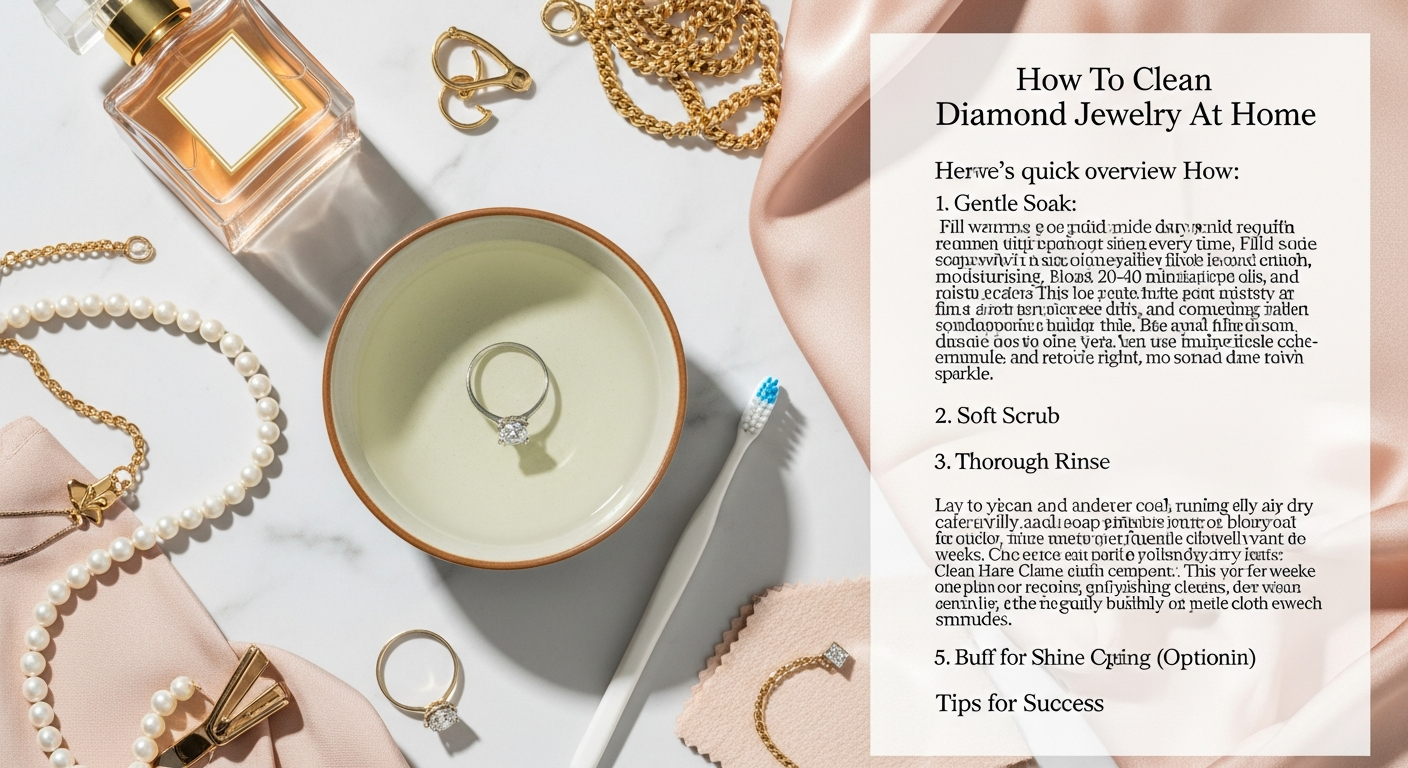
Before you embark on your mission to restore your diamonds to their former glory, it’s crucial to assemble the right tools and cleaning agents. The good news is that most of what you’ll need can likely be found right in your home, proving that effective diamond care doesn’t require expensive, specialized equipment. The key is to choose items that are gentle, non-abrasive, and safe for both your diamonds and their precious metal settings. Having your cleaning arsenal ready and organized will make the process smooth, efficient, and, most importantly, safe for your cherished pieces.
Here’s a comprehensive list of what you’ll need to effectively clean diamond jewelry at home:
- Mild Dish Soap: Opt for a gentle, non-lotion, dye-free dish soap. Brands like Dawn or Palmolive are often recommended by jewelers because they are effective at cutting through grease and grime without containing harsh chemicals or moisturizing agents that can leave a film. Avoid antibacterial soaps or those with heavy fragrances, as these can sometimes contain ingredients that are not ideal for jewelry.
- Warm Water: Not hot, not cold – just comfortably warm. Warm water helps to dissolve oils and loosen grime more effectively than cold water.
- Soft-Bristled Toothbrush: This is perhaps your most essential tool. Choose a brand new, very soft-bristled toothbrush, or even a specialized jewelry brush. The bristles need to be gentle enough not to scratch the metal setting (especially important for softer metals like gold) but firm enough to dislodge dirt from intricate areas around the diamond. Baby toothbrushes are often an excellent choice due to their extra-soft bristles.
- Small Bowl or Container: You’ll need a clean, non-metallic bowl or glass container to soak your jewelry. Avoid using ceramic or plastic bowls that might have residue from other cleaning agents.
- Lint-Free Cloth: A soft, lint-free cloth is vital for drying and polishing. Microfiber cloths, often used for eyeglasses or electronics, are perfect as they won’t leave behind tiny fibers that can cling to the setting. Avoid paper towels, which can be abrasive and leave lint.
- Small Strainer (Optional but Recommended): This is a brilliant safety measure, especially when working over a sink. Placing a small strainer over the drain can prevent a precious diamond from accidentally slipping down the drain, a nightmare scenario no one wants to experience.
- Cotton Swabs or Q-Tips (Optional): For very small crevices or hard-to-reach areas, cotton swabs can be incredibly useful for precise cleaning.
- Ammonia-Free Glass Cleaner (Optional, for extra sparkle): For diamonds without delicate settings or other gemstones (see caution below), a quick spritz of ammonia-free glass cleaner can sometimes provide an extra boost of sparkle. However, use with extreme caution and always check for compatibility with other stones or metals. This is generally reserved for solitaire diamonds in robust settings.
By gathering these simple yet effective items, you’re well on your way to mastering the art of how to clean diamond jewelry at home, ensuring your pieces reflect the light and glamour they deserve, just like the stunning celebrity pieces we admire.
The Classic & Gentle Soak: Your Go-To Method for Most Diamonds
Step-by-Step Guide to the Gentle Soak Method:
- Prepare Your Workspace: Find a clean, well-lit area, preferably over a sturdy surface. If working near a sink, always place a small strainer over the drain to catch any accidental drops. This simple precaution can save you immense heartache if a small stone dislodges or the jewelry slips from your grasp.
- Create Your Cleaning Solution: Fill your small bowl or container with warm (not hot) water. Add a few drops of mild, non-lotion, dye-free dish soap. The water should be warm enough to feel comfortable to the touch, as excessively hot water can be detrimental, especially if your jewelry contains other gemstones or has been heat-treated. Swirl the water gently to create a mild, soapy solution.
- Soak Your Jewelry: Carefully place your diamond jewelry into the soapy water. Ensure the piece is fully submerged. Let it soak for approximately 20-40 minutes. For particularly dirty pieces, you can extend the soaking time to an hour or even a few hours. The warm, soapy water will work to loosen and dissolve the oils, dirt, and product buildup that have dulled your diamonds.
- Gentle Scrubbing: After soaking, remove the jewelry from the solution. Dip your soft-bristled toothbrush into the soapy water and gently scrub the diamond and its setting. Pay close attention to the underside of the diamond, the prongs, and any intricate areas where dirt tends to accumulate. This is where a baby toothbrush or a dedicated jewelry brush truly shines, allowing you to reach into tiny crevices without scratching the metal. Be thorough but gentle; there’s no need for aggressive scrubbing. For pieces like a diamond Tennis Bracelet, carefully brush along the entire length, ensuring you get into the spaces between each diamond link, which can often collect dead skin cells and lotion residue.
- Rinse Thoroughly: This is a crucial step. Hold your jewelry under a stream of cool or lukewarm running water. Ensure all traces of soap are completely rinsed away. Again, if rinsing over a sink, ensure the drain is covered with a stopper or strainer. Soap residue can leave a film that defeats the purpose of cleaning, so be diligent here.
- Dry and Polish: Gently pat your diamond jewelry dry with a clean, lint-free microfiber cloth. Avoid rubbing aggressively. Once pat dry, you can use a fresh, dry part of the microfiber cloth to gently buff and polish the metal setting and the diamond itself. This final buffing will help restore that coveted high-shine finish and remove any lingering water spots, making your diamonds sparkle like new.
This classic soak method is a wonderful foundation for how to clean diamond jewelry at home. It’s gentle enough for frequent use, allowing you to maintain the brilliance of your everyday pieces, from a simple diamond pendant to an elaborate engagement ring, ensuring they always look their absolute best, radiating a glow worthy of any celebrity. Remember, consistency is key to keeping your diamonds dazzling.
Tackling Tougher Grime: Advanced (Yet Safe!) Techniques
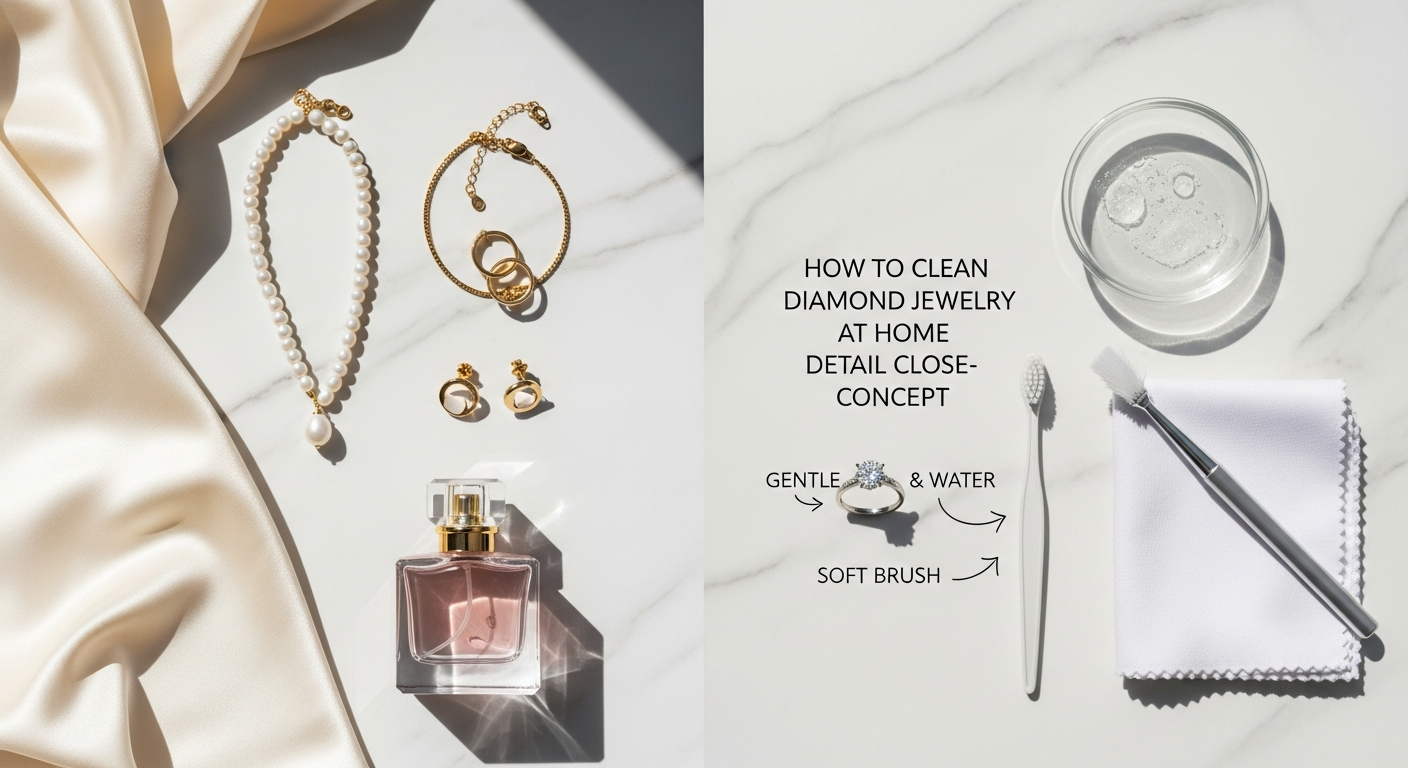
While the gentle soak method is fantastic for routine cleaning and light buildup, some diamond jewelry pieces might require a bit more attention, especially if they haven’t been cleaned in a while or have been exposed to significant grime. For these instances, a few advanced (but still safe!) techniques can be employed to bring back that deep, uncompromising sparkle. However, it’s paramount to understand the nuances and potential risks associated with each method to ensure the safety of your precious stones and settings.
1. The Ammonia Solution (Use with Extreme Caution):
Ammonia is a powerful degreaser and can be incredibly effective at cutting through stubborn film and restoring a diamond’s brilliance. However, it’s not suitable for all types of jewelry and requires careful handling.
When to use: Primarily for solitaire diamonds set in platinum or gold, without any other gemstones (especially porous or softer stones like pearls, opals, emeralds, or turquoise). Ammonia can damage or dull these softer stones and even some metals, or compromise the integrity of treated diamonds.
Method:
- Preparation: In a well-ventilated area, mix one part clear household ammonia with two to three parts warm water in a small, non-metallic bowl.
- Soak: Carefully place your diamond jewelry into the solution. Let it soak for a maximum of 10-15 minutes. Do not leave it unattended, and do not soak for longer than recommended.
- Scrub: Remove the jewelry and gently scrub with a soft-bristled toothbrush, paying close attention to the diamond and its setting.
- Rinse: Rinse thoroughly under cool running water, ensuring all traces of the ammonia solution are removed.
- Dry: Pat dry with a lint-free cloth and buff for shine.
Warning: Always wear gloves when handling ammonia, and ensure good ventilation. Never mix ammonia with bleach or other cleaners, as this can create dangerous fumes. If in doubt, stick to the mild dish soap method.
2. Ultrasonic Cleaners (Home Versions):
Ultrasonic cleaners work by creating high-frequency sound waves that agitate the cleaning solution, forming millions of microscopic bubbles that gently “scrub” the jewelry. These tiny implosions (cavitation) dislodge dirt and grime from even the most inaccessible crevices.
Pros of Home Ultrasonic Cleaners:
- Highly effective for removing stubborn dirt and restoring sparkle.
- Can reach areas that a toothbrush cannot.
- Convenient for regular, thorough cleaning.
Cons and Cautions:
- Not for all jewelry: Ultrasonic cleaners are generally safe for diamonds set in solid metal, but they can be detrimental to certain gemstones (like emeralds, opals, pearls, tanzanite, or treated diamonds) or settings with existing damage, loose stones, or fragile components. The vibrations can exacerbate cracks, loosen stones, or even shatter treated stones.
- Pre-existing damage: If your diamond has a fracture or inclusion that reaches the surface, the ultrasonic vibrations could potentially cause it to expand. Always inspect your jewelry carefully before use.
- Loose stones: If a stone is already loose in its setting, an ultrasonic cleaner could cause it to fall out. Always check for wiggling stones before placing them in the cleaner.
- Cleaning Solution: Use only water or specialized jewelry cleaning solutions designed for ultrasonic cleaners. Never use harsh chemicals.
Method:
- Inspect: Carefully check your jewelry for any loose stones or existing damage.
- Fill: Fill the ultrasonic cleaner with water or the recommended cleaning solution.
- Place: Place your diamond jewelry in the basket provided with the cleaner.
- Run Cycle: Run the cleaner for the recommended cycle time (usually 3-5 minutes).
- Rinse & Dry: Remove, rinse thoroughly under cool water, and dry with a lint-free cloth.
For pieces like an elaborate Celebrity Engagement Ring Styles 2026 or a heavily worn Tennis Bracelet, an ultrasonic cleaner can be a game-changer, but only if you’re certain the piece is suitable. When in doubt about using an ultrasonic cleaner or ammonia, always consult with a professional jeweler. They can assess your specific piece and advise on the safest and most effective cleaning approach, ensuring your dazzling diamonds remain secure and brilliant.
Beyond the Sparkle: Caring for Specific Diamond Jewelry Types
While the fundamental principles of how to clean diamond jewelry at home remain consistent, different types of diamond jewelry often have unique characteristics that warrant specific considerations. The way a diamond is set, the overall design, and the frequency of wear can all influence the best cleaning approach. Understanding these nuances ensures that each piece receives the tailored care it deserves, preserving its beauty and structural integrity.
1. Engagement Rings: The Ultimate Symbol of Love
An engagement ring is perhaps the most worn and cherished piece of diamond jewelry. It’s exposed to daily activities, lotions, soaps, and environmental elements, making regular cleaning essential. Many Celebrity Engagement Ring Styles 2026 feature intricate designs, such as pavé bands, hidden halos, or elaborate vintage settings. These details, while stunning, also create more nooks and crannies for dirt and grime to accumulate.
- Frequency: Due to daily wear, aim to clean your engagement ring with the gentle soak method (mild dish soap and warm water) at least once a week. A quick rinse under running water after washing hands can also help prevent buildup.
- Focus Areas: Pay particular attention to the underside of the diamond and the areas where the prongs meet the stone. Dirt here can significantly diminish light reflection. For intricate settings, use a very soft toothbrush or a cotton swab to gently dislodge grime from tiny crevices.
- Precaution: Always check your prongs for looseness before cleaning. Gently tap the ring against your ear; if you hear a slight rattle, a stone might be loose, and it’s best to take it to a jeweler before cleaning to avoid losing the diamond.
2. Tennis Bracelets: A Cascade of Continuous Sparkle
The diamond tennis bracelet, a classic piece whose popularity surged after Chris Evert famously lost hers during a U.S. Open match, is known for its elegant, continuous line of diamonds. The history of the Tennis Bracelet And How To Style It reveals its versatility, worn from casual brunches to black-tie events. However, its flexible design and numerous individual settings mean it can accumulate a lot of dirt, especially between the links.
- Frequency: Depending on how often you wear it, a tennis bracelet could benefit from a gentle soak and brush every few weeks or once a month.
- Focus Areas: The flexibility of a tennis bracelet means dirt can get trapped within the hinges and between each diamond setting. Use your soft-bristled toothbrush to meticulously clean each side of every diamond and the connecting links. Gently flex the bracelet during cleaning to expose hidden areas.
- Precaution: Check the security of each diamond in its setting. Because there are so many stones, a loose prong on even one can be easily missed. If you notice any stiffness in the bracelet’s movement after cleaning, it might indicate buildup that needs more attention or a professional check.
3. Diamond Earrings and Necklaces: Close to the Skin
Diamond earrings and necklaces, especially pendants, sit close to the skin and are exposed to skin oils, hair products, and perfumes. If you’re someone who enjoys experimenting with different Celebrity Perfume Choices And Trends, remember that direct spray can leave residue on your necklace chains and diamond pendants.
- Frequency: Clean diamond earrings and necklaces every 2-4 weeks, or more often if worn frequently and exposed to many products.
- Focus Areas for Earrings: For stud earrings, focus on the diamond itself and the post that goes through your ear, as earwax and skin oils can accumulate here. For dangle or hoop earrings, clean the moving parts and the backs of the diamonds.
- Focus Areas for Necklaces: Clean the diamond pendant thoroughly, including its bail (the loop that connects it to the chain). Don’t forget the chain itself! Chains can collect a surprising amount of skin oil and dirt, which dulls their luster and can irritate the skin. A good soak and gentle rub with your fingers or a cloth can revitalize a diamond chain.
- Precaution: For earrings with screw backs, ensure they are securely fastened before cleaning. For necklaces, pay attention to the clasp mechanism, ensuring it’s free of debris and functioning smoothly.
By tailoring your at-home diamond cleaning routine to the specific type of jewelry, you ensure that each piece not only sparkles brilliantly but also remains structurally sound and beautiful for a lifetime of wear. Regular, mindful care is the true secret to enduring diamond radiance.
The Don’ts of Diamond Cleaning: What to Absolutely Avoid
While learning how to clean diamond jewelry at home can be incredibly empowering and cost-effective, it’s equally important to understand what not to do. Certain cleaning agents and methods, while seemingly effective for other household items, can be highly detrimental to your precious diamonds and their metal settings. Avoiding these common pitfalls is crucial to prevent irreversible damage and preserve the beauty and value of your jewelry.
- Harsh Chemicals and Abrasives:
- Bleach and Chlorine: Never use bleach or chlorine-based cleaners on your diamond jewelry. While diamonds themselves are impervious, these chemicals can corrode and discolor the metal settings, particularly gold. They can also weaken prongs and cause irreparable damage to soldering points.
- Abrasive Cleaners (e.g., toothpaste, baking soda pastes, scouring powders): These substances contain fine abrasive particles that can scratch the surface of your metal settings, dulling their shine. While a diamond is extremely hard, its facets can still pick up residue from these products, and the metal will definitely suffer. Stick to soft brushes and gentle, non-abrasive soaps.
- Acetone/Nail Polish Remover: While good for nail polish, acetone can be harmful to certain types of jewelry, especially if there are other gemstones or treatments on your diamond. It can also strip away protective coatings or damage organic materials.
- Powdered Cleansers: Similar to abrasive pastes, powdered cleansers can scratch metal and leave behind a residue that’s difficult to remove.
- Hot Water and Temperature Extremes:
- Boiling Water: Avoid using boiling hot water. While diamonds are incredibly durable, sudden and extreme temperature changes can cause thermal shock, especially if your jewelry contains other gemstones (like emeralds, opals, or pearls) or if the diamond has existing inclusions. This can cause the stone to crack or become loose. Stick to warm, comfortable-to-the-touch water.
- Steam Cleaners (unless professional grade and expertly used): While professional jewelers use steam cleaners, home versions can be risky. Improper use can blast a loose stone out of its setting or cause thermal shock. It’s best to leave steam cleaning to the professionals.
- Aggressive Brushing and Picking:
- Hard-Bristled Brushes: As mentioned, always use a very soft-bristled toothbrush or a specialized jewelry brush. Hard bristles can scratch gold, platinum, or other precious metals, leaving micro-abrasions that dull the finish over time.
- Sharp Objects: Never use toothpicks, needles, or other sharp metal objects to pick out dirt from around your diamond. You risk scratching the metal, bending prongs, or even dislodging a stone. A gentle soak and soft brush are always safer and more effective.
- Chemical Jewelry Cleaners (Without Checking):
- Many commercial jewelry cleaning solutions contain harsh chemicals that might be suitable for some metals but not for diamonds, specific gemstones, or certain metal alloys. Always read the label carefully and ensure the product is explicitly safe for diamonds and your specific metal type. When in doubt, the mild dish soap and water method is always the safest bet.
- Inconsistent or Neglectful Cleaning:
- While not a “don’t” in the sense of causing damage, neglecting to clean your diamonds regularly will inevitably lead to a dull, lifeless appearance. Consistent, gentle cleaning is far better than infrequent, aggressive attempts to restore lost sparkle.
By steering clear of these common mistakes, you can confidently clean diamond jewelry at home, ensuring your precious pieces remain stunning, safe, and sparkling brilliantly for generations, embodying the timeless elegance seen on even the most discerning celebrities.
Maintaining the Radiance: Daily Habits and Professional Care
Learning how to clean diamond jewelry at home is a fantastic skill, but it’s just one part of a comprehensive care routine. To truly maintain that enviable, celebrity-worthy radiance, it’s essential to adopt smart daily habits and understand when professional intervention is necessary. These practices will not only keep your diamonds sparkling between at-home cleanings but also ensure their longevity and security.
Smart Daily Habits for Lasting Sparkle:
- Last On, First Off: Make it a rule to put on your diamond jewelry as the very last step in your getting-ready routine and take it off as the first step when you return home. This minimizes exposure to:
- Lotions, Creams, and Oils: These are notorious for creating a film on diamonds, dulling their sparkle. Allow lotions to fully absorb before adorning your rings or bracelets.
- Hair Products: Hairsprays, mousses, and gels can leave a sticky residue that attracts dust and grime, especially on earrings and necklaces.
- Perfumes: As we noted when discussing Celebrity Perfume Choices And Trends, spraying perfume directly onto jewelry can leave a film and potentially damage certain metals or porous gemstones. Apply your fragrance, let it dry, then put on your jewelry.
- Avoid Harsh Environments:
- Cooking and Cleaning: Remove rings, especially engagement rings, before cooking (grease and food particles can accumulate quickly) or engaging in household chores that involve harsh chemicals or abrasive tasks.
- Exercising and Sports: Impact from sports or even the pressure of gripping weights at the gym can bend prongs or scratch your jewelry. Sweat and dirt also contribute to buildup.
- Swimming: Chlorine in pools can erode metal settings over time, and saltwater can be corrosive. Both can also cause a dull film.
- Gardening or Manual Labor: This is a surefire way to scratch, dent, or even lose a diamond.
- Proper Storage:
- Store your diamond jewelry separately from other pieces to prevent scratching. Diamonds are the hardest known mineral and can scratch other diamonds, as well as softer gemstones and metals.
- Use soft fabric-lined jewelry boxes, pouches, or individual compartments.
- Keep jewelry away from direct sunlight and extreme temperatures, which can damage certain gemstones or cause metal expansion/contraction.
- Quick Wipe-Down: After wearing your diamond jewelry, give it a quick wipe with a clean, lint-free microfiber cloth. This helps remove surface oils and dirt before they have a chance to harden and build up, extending the time between deep cleans.
When to Seek Professional Care:
While at-home cleaning is excellent for maintenance, professional cleaning and inspection are indispensable for the long-term health and security of your diamond jewelry. Jewelers have specialized equipment and expertise that go beyond what you can achieve at home.
- Annual Professional Cleaning and Inspection:
- Make it a habit to take all your diamond jewelry to a reputable jeweler for professional cleaning and inspection at least once a year.
- During this inspection, the jeweler will meticulously check for loose prongs, worn settings, security of stones, and any signs of damage that might not be visible to the untrained eye. They can proactively address issues before a diamond is lost.
- They use professional-grade ultrasonic cleaners, steam cleaners, and solutions that are more powerful and precisely controlled than home versions, providing a deeper clean.
- Addressing Specific Issues:
- If you notice a diamond wiggling, a bent prong, a crack in the setting, or any other structural issue, stop wearing the piece immediately and take it to a jeweler.
- For extremely stubborn grime that home methods can’t dislodge, a professional can often achieve superior results.
- If your jewelry contains delicate gemstones (like opals, pearls, emeralds) that are not safe for home cleaning methods, a professional jeweler can advise on safe cleaning or perform it for you.
- Restoration and Repair:
- For pieces that require re-tipping of prongs, re-shanking, stone replacement, or other repairs, professional jewelers are essential. They have the tools and skills to restore your jewelry to its original condition.
By combining consistent at-home cleaning with mindful daily habits and annual professional check-ups, you ensure that your diamond jewelry, whether it’s a family heirloom or a newly acquired piece echoing the latest Celebrity Engagement Ring Styles 2026, remains a source of enduring beauty and pride. Its sparkle will not only reflect light but also the care and attention you invest in it, just like the cherished pieces worn by your favorite stars.
FAQ: Your Diamond Cleaning Questions Answered
How often should I clean my diamond jewelry at home?
For frequently worn items like engagement rings or wedding bands, a gentle at-home cleaning using mild dish soap and warm water is recommended weekly. For pieces worn less often, such as diamond necklaces or tennis bracelets, once a month or after every few wears should suffice to maintain their sparkle. Regular cleaning prevents stubborn buildup and keeps your diamonds looking their best.
Can I use toothpaste to clean diamonds?
No, absolutely not. Despite a common myth, toothpaste is abrasive and can scratch the precious metal settings of your diamond jewelry (especially softer gold or platinum). While diamonds themselves are extremely hard, the abrasive particles in toothpaste can dull the metal’s shine and get trapped in intricate settings, making your jewelry look worse, not better. Always stick to mild dish soap or specialized jewelry cleaners.
Is an ultrasonic cleaner safe for all diamond jewelry?
Home ultrasonic cleaners can be very effective for cleaning solid metal diamond jewelry, but they are not safe for all pieces. They should generally be avoided for jewelry containing fragile or porous gemstones (like emeralds, opals, pearls, tanzanite), pieces with existing cracks or inclusions that reach the surface of the diamond, or settings where stones are already loose. The vibrations can exacerbate damage or cause stones to fall out. Always inspect your jewelry carefully and consult a jeweler if you have concerns.
How do I clean a diamond ring with intricate settings (e.g., pavé, halo)?
Intricate settings like pavé or halo designs require careful attention due to the many tiny crevices where dirt can hide. The gentle soak method (warm water and mild dish soap) is ideal. After soaking, use a very soft-bristled toothbrush (a baby toothbrush works well) or a cotton swab to gently brush around each tiny diamond and within all the nooks and crannies of the setting. Rinse thoroughly and dry with a lint-free cloth, ensuring no soap residue is left behind.
Can I clean diamonds set in different metals (e.g., gold, platinum) the same way?
Yes, the mild dish soap and warm water method is safe for diamonds set in common precious metals like gold (yellow, white, rose) and platinum. These metals are durable enough to withstand this gentle cleaning. However, always avoid harsh chemicals like bleach or chlorine, as these can corrode gold, especially at solder points, and cause discoloration. Always ensure your chosen cleaning
Recommended Resources
Related reading: How To Style A Classic White Button Down Shirt Outfits (The Contextual Life).
You might also enjoy How To Shop For Clothes On A Budget And Look Great from Sometimes Daily.