
Understanding Your Gold: Karats, Alloys, and Finishes
Before delving into specific care routines, it’s crucial to understand the fundamental characteristics of your gold jewelry. Gold isn’t a monolithic material; its composition significantly impacts its durability, appearance, and care requirements. The purity of gold is measured in karats (K), with 24K representing 100% pure gold. However, pure gold is incredibly soft and easily scratched, making it impractical for everyday jewelry. This is where alloys come into play.
Most gold jewelry you encounter is an alloy, meaning it’s a mix of pure gold and other metals like copper, silver, zinc, nickel, or palladium. These alloys are added to increase hardness, durability, and to create different color variations. For instance, 18K gold contains 75% pure gold and 25% alloys, while 14K gold contains 58.3% pure gold and 41.7% alloys. 10K gold, often the lowest karatage legally considered gold, contains 41.7% pure gold and 58.3% alloys. The higher the karat, the softer the gold, and generally, the more susceptible it is to scratches and dents, though it also boasts a richer, more vibrant yellow hue. This is a critical consideration when evaluating the longevity of investment pieces, much like the stunning 18K gold settings often seen in Celebrity Engagement Ring Styles 2026, which might require more careful handling than a robust 14K alternative.
The type of alloy also dictates the gold’s color. Yellow gold typically uses a mix of silver and copper to enhance its warm tone. White gold is created by alloying gold with white metals like palladium, nickel, or manganese, and is almost always plated with rhodium to give it a bright, reflective, silvery-white finish. This rhodium plating, while beautiful, is not permanent and will wear off over time, revealing the slightly yellowish hue of the underlying white gold alloy. Rose gold (also known as pink gold or red gold) gets its distinctive blush from a higher proportion of copper in its alloy. Each of these gold types has unique characteristics that influence its care.
Beyond composition, the finish of your gold jewelry also plays a role. A highly polished finish, while dazzling, can show scratches more easily than a brushed or matte finish. Textured finishes, like hammered or satin, can sometimes trap dirt more readily. Understanding these distinctions allows you to tailor your gold jewelry care tips specifically to the pieces you own, ensuring each item receives the appropriate attention to maintain its unique beauty and integrity.
The Golden Rules of Daily Wear and Storage
The longevity and brilliance of your gold jewelry are largely determined by how you wear and store it. Implementing a few simple habits into your daily routine can significantly reduce the risk of damage and keep your pieces looking pristine. Think of it as a preventative wellness plan for your precious metals.
When to Remove Your Gold Jewelry
The most fundamental rule of gold jewelry care is knowing when to take it off. While gold is durable, it’s not invincible. Here are key situations where your jewelry should be removed:
- Household Chores: Cleaning products containing harsh chemicals like bleach, ammonia, or even abrasive scrubs can dull, discolor, or even damage gold and certain gemstones. Always remove rings, bracelets, and watches before engaging in cleaning tasks.
- Showering, Bathing, and Swimming: Soaps, shampoos, and conditioners can leave a film on your jewelry, dulling its shine over time. Chlorinated water in pools can react with the alloys in gold, especially white gold, weakening the metal and potentially causing discoloration. Saltwater, while less chemically aggressive, can still cause grime buildup and, in rare cases, accelerate tarnishing or corrosion of alloys. Moreover, wearing jewelry in water increases the risk of it slipping off and getting lost.
- Exercising and Sports: Sweat contains salts and acids that can interact with gold alloys, leading to dullness or even slight corrosion over time. More importantly, physical activity can subject your jewelry to impacts, bending, or scratches. Rings can get caught, chains can snap, and gemstones can be dislodged.
- Gardening and Manual Labor: Dirt, grime, and rough surfaces are natural enemies of fine jewelry. Rings can get scratched, bent, or accumulate stubborn residues. Chains and bracelets can snag and break.
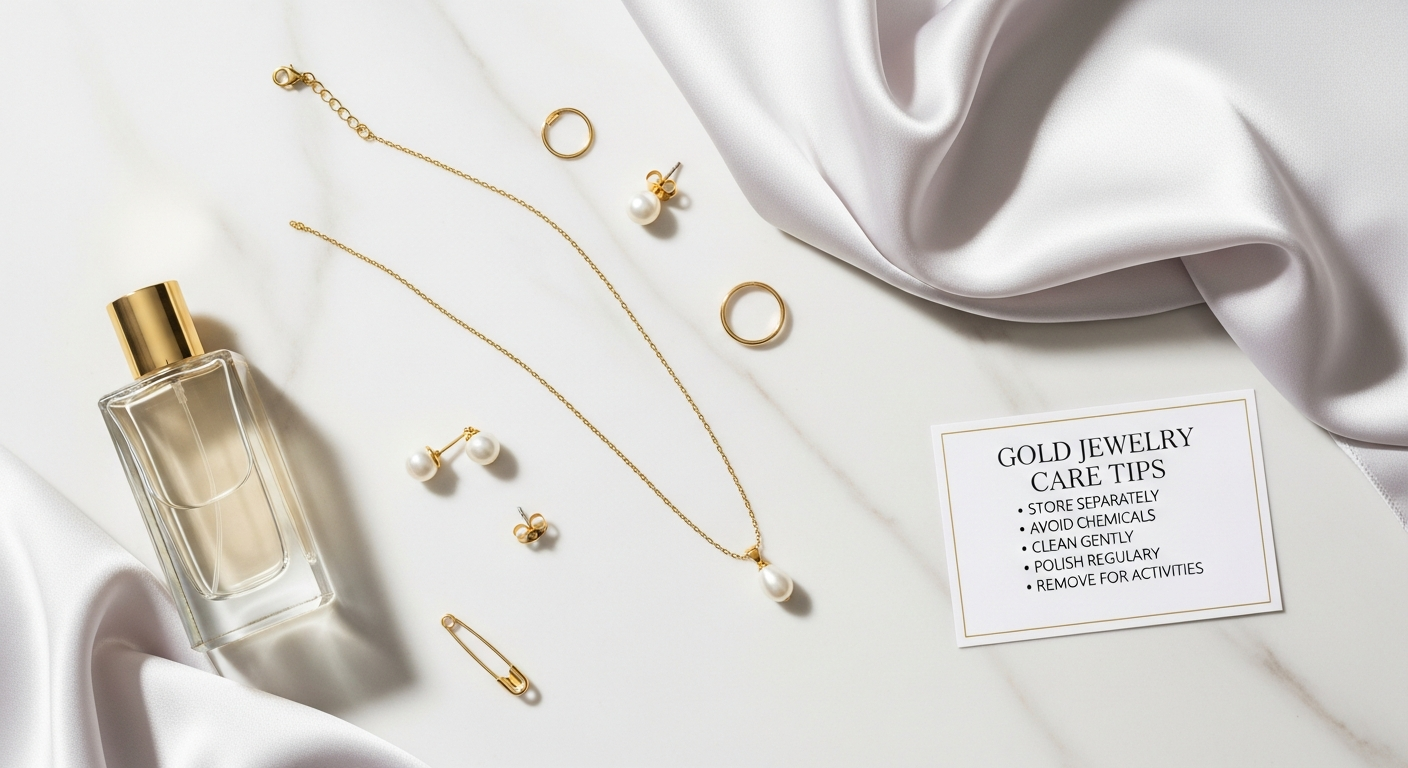
- Applying Cosmetics, Lotions, and Perfumes: This is a crucial, yet often overlooked, tip. Hairsprays, lotions, makeup, and especially perfumes can leave a sticky film on gold and gemstones, attracting dirt and dulling their sparkle. Always apply these products first, allow them to dry, and then put on your jewelry. This is particularly important for those who follow Celebrity Perfume Choices And Trends, as many high-end fragrances contain oils and alcohol that can impact metal finishes.
Optimal Storage Solutions
Proper storage is just as vital as careful wear. Haphazardly tossing your gold pieces into a drawer can lead to tangles, scratches, and even breakage. Consider these storage best practices:
- Individual Pouches or Compartments: Store each piece of gold jewelry separately. Soft cloth pouches, individual velvet-lined compartments in a jewelry box, or even small plastic baggies (ensure they are PVC-free and airtight if you live in a humid environment) are ideal. This prevents pieces from rubbing against each other, which can cause scratches, especially on softer high-karat gold or polished finishes.
- Lined Jewelry Boxes: A dedicated jewelry box with a soft, anti-tarnish lining is an excellent investment. The lining helps absorb moisture and prevents tarnishing, especially for lower-karat gold or rose gold, which contain higher percentages of copper.
- Away from Humidity and Direct Sunlight: High humidity can accelerate tarnishing and, for pieces with certain gemstones, can cause issues like fogging or even damage. Direct sunlight can fade certain gemstones and, over time, potentially impact the integrity of some settings. Store your jewelry in a cool, dry place.
- Secure Clasps: Before storing necklaces and bracelets, ensure their clasps are fastened. This prevents tangling, which can lead to stress on the links and potential breakage when trying to untangle them.
- Avoid Storing with Costume Jewelry: Base metals in costume jewelry can sometimes react with or scratch fine gold jewelry. Keep your precious gold pieces separate from less valuable items.
By adhering to these daily wear and storage guidelines, you’ll significantly extend the life and preserve the exquisite beauty of your gold jewelry, ensuring it remains as radiant as the day you first acquired it.
Gentle Cleaning Techniques for Every Gold Type
Basic Home Cleaning for Solid Gold (Yellow, White, Rose)
For most solid gold pieces without delicate gemstones, a simple at-home cleaning method is highly effective:
- Prepare a Solution: Fill a small bowl with warm (not hot) water. Add a few drops of a mild, non-abrasive dish soap (e.g., Dawn or Ivory). Avoid harsh detergents, antibacterial soaps, or those containing moisturizers, as these can leave a film.
- Soak Your Jewelry: Place your gold jewelry into the solution and let it soak for 15-30 minutes. This helps to loosen dirt, oils, and grime. For heavily soiled items, you might extend the soaking time.
- Gentle Scrubbing: After soaking, use a soft-bristled toothbrush (a baby toothbrush works well, or one specifically designated for jewelry cleaning) or a cotton swab to gently scrub the jewelry. Pay close attention to crevices, around gemstone settings, and intricate designs where dirt tends to accumulate. Be gentle, especially with softer high-karat gold.
- Rinse Thoroughly: Rinse the jewelry under cool, running water. Ensure all soap residue is completely removed, as any lingering film will dull the shine. If rinsing over a sink, always plug the drain to prevent accidental loss.
- Dry Carefully: Gently pat your jewelry dry with a soft, lint-free cloth. Microfiber cloths are excellent for this. Allow the piece to air dry completely before storing it to prevent moisture-related issues.
Special Considerations for Different Gold Types
- White Gold: As mentioned, white gold is typically rhodium-plated. While the basic cleaning method is safe for white gold, be aware that excessive scrubbing or harsh chemicals can accelerate the wear of the rhodium plating. When the plating starts to wear, your white gold will reveal its natural yellowish tint, at which point it will need professional re-plating to restore its bright white appearance.
- Rose Gold: Rose gold’s copper content makes it slightly more prone to tarnishing over time, especially if exposed to high humidity or certain chemicals. The basic soap and water method is safe and effective. If you notice a slight dullness or darkening due to tarnish, a gentle polish with a specialized jewelry polishing cloth designed for rose gold can help restore its luster. Avoid abrasive cleaners, as they can scratch the surface.
- Gold Plated/Vermeil Jewelry: These pieces have a thin layer of gold over a base metal (vermeil is sterling silver, plated gold uses other base metals). They require the gentlest care possible. Use only mild soap and water, and avoid scrubbing vigorously, as this can wear away the gold layer. Never use abrasive cleaners, polishing cloths with harsh chemicals, or ultrasonic cleaners on plated jewelry, as they can strip the gold.
Cleaning Gold Jewelry with Gemstones
The presence of gemstones dramatically alters cleaning protocols. Not all gemstones can withstand the same treatments as gold. When caring for a piece that might resemble the intricate designs seen in Celebrity Engagement Ring Styles 2026, particularly those featuring various stones, caution is paramount.
- Diamonds: Diamonds are incredibly hard and can generally withstand the basic soap and water cleaning. A soft toothbrush is safe for scrubbing around diamond settings.
- Pearls, Opals, Emeralds, Turquoise: These are softer, porous, or more delicate stones. They are sensitive to chemicals, heat, and even prolonged water exposure.
- Pearls: Only wipe with a soft, damp cloth after wear. Never soak pearls, use harsh soaps, or ultrasonic cleaners.
- Opals: Can dehydrate and crack. Clean gently with a soft, damp cloth. Avoid heat and harsh chemicals.
- Emeralds: Often oiled or treated. Avoid hot water, steam cleaners, and strong detergents that can strip their oiling. Use only mild soap and cool water, and dry immediately.
- Turquoise: Porous and can change color with exposure to chemicals, oils, and even sweat. Wipe gently with a soft, dry cloth.
- Other Stones: Always research the specific care requirements for any gemstone in your jewelry. When in doubt, consult a professional jeweler.
What to Absolutely Avoid
- Harsh Chemicals: Bleach, ammonia, chlorine, acetone, and abrasive cleaners are strictly forbidden. They can damage gold alloys, erode rhodium plating, and severely harm or discolor many gemstones.
- Abrasive Materials: Toothpaste, baking soda (unless used in a very specific, diluted paste for tarnish removal on solid gold, and even then, with caution), or scouring pads will scratch gold surfaces, especially higher karat gold.
- Ultrasonic Cleaners (for certain items): While effective for solid gold and diamonds, ultrasonic cleaners use high-frequency sound waves that can vibrate loose stones out of their settings, damage porous stones (like pearls, opals, emeralds, turquoise), or compromise the integrity of treated or fractured-filled gemstones. Always consult a jeweler before using one, especially for pieces with delicate stones or intricate settings.
By following these gentle cleaning techniques, you can ensure your gold jewelry, regardless of its specific composition or accompanying gemstones, retains its magnificent luster and remains a cherished part of your collection for years to come.
Professional Care and When to Seek It
While at-home cleaning and diligent daily care are crucial for maintaining the beauty of your gold jewelry, there are times when professional intervention is not just recommended, but essential. Think of it as a regular check-up for your most treasured possessions, ensuring their structural integrity and long-term value. This is particularly vital for high-value items, such as the elaborate necklaces or earrings often featured in “Best Jewelry For Different Necklines” articles, which demand specialized attention to maintain their grandeur.
Regular Professional Check-ups and Inspections
Just like you wouldn’t skip a car service or a dental appointment, your fine gold jewelry benefits immensely from annual professional inspections. A qualified jeweler can:
- Inspect Settings and Prongs: Over time, prongs that hold gemstones can wear down, bend, or loosen due to everyday wear and tear. A jeweler can meticulously examine each setting, tightening loose stones or re-tipping worn prongs before a precious gem is lost. This is especially critical for engagement rings and other pieces with significant stones.
- Check Clasps and Chains: Clasps can weaken, and chain links can become stretched or fatigued. A professional can identify these vulnerabilities and repair them, preventing accidental loss.
- Evaluate Overall Condition: They can spot subtle cracks, weak points, or signs of wear that you might miss, addressing them before they become major issues. This proactive approach saves money and heartbreak in the long run.
Deep Cleaning and Restoration
While your home cleaning routine is excellent for surface grime, professional jewelers have access to specialized equipment and solutions for a truly deep clean:
- Ultrasonic Cleaning: For solid gold and durable gemstones like diamonds, rubies, and sapphires, professional ultrasonic cleaners are highly effective at dislodging stubborn dirt from intricate designs and hard-to-reach crevices. They use high-frequency sound waves in a cleaning solution to create microscopic bubbles that gently scrub the jewelry. However, a professional will know which pieces are safe for this method and which require alternative approaches (like steam cleaning or hand polishing).
- Steam Cleaning: Steam cleaners use high-pressure steam to blast away dirt and grime, leaving jewelry sparkling. This method is often safe for a wider range of gemstones than ultrasonic cleaning, but again, a professional will assess suitability.
- Polishing: Over time, gold jewelry can develop tiny scratches and lose some of its original luster. Jewelers use specialized polishing wheels and compounds to carefully remove a minimal layer of metal, restoring the mirror-like shine without compromising the integrity of the piece. This is particularly transformative for highly polished yellow gold pieces.
- Rhodium Re-plating: As discussed, white gold’s rhodium plating will eventually wear off. A professional jeweler can expertly re-plate your white gold jewelry, restoring its brilliant white finish and protecting the underlying alloy. The frequency of re-plating depends on wear, but typically every 1-3 years is common for frequently worn items like engagement rings.
Repairs and Resizing
Should your gold jewelry suffer damage, professional repair is the only way to ensure it’s handled correctly:
- Broken Chains or Clasps: Jewelers have the expertise and tools to meticulously solder broken links or replace faulty clasps, making the repair virtually invisible.
- Ring Resizing: Whether your fingers have changed size or you’ve inherited a piece, professional resizing ensures the ring fits comfortably and securely without compromising its structure or gemstone settings. This is especially important for significant pieces that mirror the value and sentiment of Celebrity Engagement Ring Styles 2026.
- Gemstone Replacement: If a stone is lost or damaged, a jeweler can source a matching replacement and securely set it, restoring the piece to its original glory.
Appraisals and Insurance
For valuable gold jewelry, especially pieces with significant gemstones, professional appraisals are essential for insurance purposes. An updated appraisal ensures that if a piece is lost, stolen, or severely damaged, you will be adequately compensated for its current market value. Most insurance companies recommend updating appraisals every 3-5 years, as market values for gold and gemstones can fluctuate.
Entrusting your gold jewelry to a qualified professional jeweler provides peace of mind and ensures that these cherished items receive the expert attention they deserve, safeguarding their beauty and value for a lifetime.
Protecting Your Gold from Common Threats
Even with diligent cleaning and proper storage, everyday life presents numerous threats to the integrity and appearance of your gold jewelry. Understanding these common culprits and implementing preventative measures is key to long-term preservation. This proactive approach ensures your gold pieces remain as captivating as any jewelry gracing a celebrity event, allowing them to perfectly complement Best Jewelry For Different Necklines or any other fashion choice without concern.
Chemical Exposure: The Invisible Enemy
Perhaps the most insidious threat to gold jewelry comes from everyday chemicals. While pure gold (24K) is largely inert, the alloys mixed with it (especially copper and silver) can react negatively to various substances, leading to discoloration, dullness, or even structural damage.
- Cosmetics and Lotions: Makeup, moisturizers, sunscreens, and hair products can leave a sticky film on your jewelry, attracting dirt and dulling its shine. Over time, these residues can harden and become difficult to remove, or even cause reactions with the metal. Always apply these products first, let them dry, and then put on your jewelry.
- Perfumes and Colognes: Alcohol, oils, and other chemicals in fragrances can tarnish gold alloys and dull the sparkle of gemstones. This is a critical point, especially when exploring Celebrity Perfume Choices And Trends. Many popular scents, while delightful to wear, can be detrimental to your gold. Always spray perfume on your skin and allow it to dry completely before adorning yourself with any gold pieces.
- Cleaning Products: As mentioned previously, household cleaners containing bleach, ammonia, chlorine, or harsh abrasives are extremely damaging. Even brief contact can cause irreparable harm, including discoloration, pitting, or weakening of solder joints. Always remove jewelry before cleaning your home.
- Chlorine: Highly reactive with gold alloys, especially those in lower karat gold and white gold. Prolonged exposure to chlorinated water (e.g., swimming pools, hot tubs) can cause irreversible damage, leading to brittleness, discoloration, and even crumbling of the metal over time. Always remove all gold jewelry before entering chlorinated water.
- Sulphur: Found in various forms (e.g., some air pollutants, rubber, certain foods), sulphur can cause gold alloys (especially silver and copper components) to tarnish, resulting in a dark film. Store jewelry away from rubber bands or latex items.
Physical Damage: Scratches, Dents, and Bending
Gold, particularly higher karat gold, is a relatively soft metal. Even lower karat gold, while more durable, is not immune to physical damage.
- Scratches: Everyday activities can lead to tiny scratches that accumulate over time, dulling the polished surface of your gold. Avoid wearing rings or bracelets when engaging in activities that involve rough surfaces or potential impacts (e.g., gardening, cooking, sports, lifting weights).
- Dents and Bending: Hard impacts or excessive pressure can cause gold jewelry to dent or bend out of shape. Thin rings, delicate chains, and hollow pieces are particularly susceptible. Always remove jewelry during strenuous activities.
- Snags and Breakage: Delicate chains can easily snag on clothing or hair, leading to stretched links or outright breakage. Be mindful of your movements, especially when wearing fine necklaces or charm bracelets.
Tarnishing and Discoloration
While pure gold does not tarnish, the copper and silver alloys used in most gold jewelry can react with oxygen and sulfur compounds in the air, leading to a dull, dark film known as tarnish. Rose gold, with its higher copper content, is more prone to tarnishing than yellow gold. White gold, if its rhodium plating wears off, can also show a yellowish tint.
- Prevention:
- Proper Storage: As detailed earlier, storing jewelry in airtight bags or anti-tarnish lined boxes significantly reduces exposure to air and humidity, which are primary causes of tarnish.
- Regular Cleaning: Frequent, gentle cleaning removes surface residues that can accelerate tarnishing.
- Avoid Chemicals: Minimize contact with perfumes, lotions, and household cleaners, as these can also contribute to discoloration and tarnish.
- Addressing Tarnish: For mild tarnish on solid gold (especially rose gold), a gentle rub with a specialized jewelry polishing cloth can often restore its shine. For more stubborn tarnish, professional cleaning is recommended.
By being mindful of these common threats and adopting preventative habits, you can significantly extend the life and maintain the dazzling allure of your gold jewelry, ensuring it remains a cherished component of your personal style for years to come.
Beyond the Basics: Advanced Tips for Longevity and Luster
Once you’ve mastered the fundamental gold jewelry care tips, you might be ready to explore more advanced strategies to ensure your precious pieces not only last a lifetime but also retain their exquisite brilliance. These insights delve into aspects often overlooked but crucial for the discerning collector.
Understanding Manufacturer Warranties and Guarantees
When purchasing significant gold jewelry, especially high-value items or pieces with intricate settings, always inquire about the manufacturer’s warranty. Many reputable jewelers offer guarantees against manufacturing defects, which can cover issues like loose stones (if proven to be a defect, not due to wear), faulty clasps, or imperfections in the metal. Understanding the terms of your warranty, including any requirements for regular professional inspections by the selling jeweler, is crucial. Failing to adhere to these terms could void your warranty. Keep all receipts, appraisals, and warranty cards in a safe place.
Investing in Specialized Jewelry Insurance
For truly valuable gold jewelry – such as family heirlooms, significant engagement rings, or unique designer pieces – standard homeowner’s or renter’s insurance might not offer adequate coverage. These policies often have low limits for jewelry, and may not cover specific types of loss, like “mysterious disappearance.” Consider purchasing a separate, specialized jewelry insurance policy. These policies often provide comprehensive coverage against loss, theft, damage, and mysterious disappearance, allowing you to replace or repair your cherished items without significant financial burden. Always ensure your policy is based on an updated professional appraisal (as discussed earlier) to reflect the current market value of your gold and gemstones.
Safe Travel with Your Gold Jewelry
Traveling presents unique challenges for jewelry care and security. To protect your gold pieces while on the go:
- Travel Jewelry Case: Invest in a dedicated travel jewelry case with individual compartments, soft lining, and secure closures. This prevents tangling, scratching, and keeps pieces organized.
- Wear Only What You Need: Avoid traveling with excessively valuable or sentimental pieces if they won’t be worn. Consider leaving them in a secure home safe.
- Carry-On Only: Never pack valuable jewelry in checked luggage. Keep it in your carry-on bag, preferably in a less obvious pouch or pocket within your personal item.
- Hotel Safe: Upon arrival, utilize the hotel safe for items not being worn. However, remember that hotel safes are not infallible, so use your best judgment.
- Be Discreet: Avoid flaunting expensive jewelry in unfamiliar or high-risk areas.
The Art of Polishing Cloths: DIY vs. Professional
A good quality jewelry polishing cloth is an invaluable tool for maintaining the luster of your gold between professional cleanings. These cloths are often treated with a mild polishing agent that gently removes light tarnish and restores shine. They are excellent for solid gold (yellow, white, rose) and diamonds. However:
- Use with Caution: While great for surface shine, polishing cloths are slightly abrasive. Use them gently and sparingly on gold-plated or vermeil items, as they can accelerate the wear of the thin gold layer.
- Separate Cloths: Consider having separate cloths for different metals (e.g., one for gold, one for silver) to prevent cross-contamination, as silver tarnish can transfer to gold.
- Professional Polishing: Remember that even the best polishing cloth cannot remove deep scratches or restore severely dulled gold to its original factory finish. For that, professional polishing by a jeweler is necessary, as they have the expertise and equipment to do so without compromising the metal’s integrity.
Storing Gold Separately from Other Metals (Especially Silver)
While we’ve emphasized storing individual gold pieces separately to prevent scratching, it’s also wise to consider storing gold jewelry away from other metals, particularly sterling silver. Silver tarnishes readily, and this tarnish (a chemical reaction) can, in some cases, transfer to gold alloys if the pieces are in direct, prolonged contact. This is especially true for lower-karat gold with a higher silver content in its alloy. Maintaining separate jewelry boxes or designated sections for different metal types is a simple yet effective way to prevent unwanted chemical reactions and preserve the pristine condition of your gold.
By incorporating these advanced gold jewelry care tips into your routine, you demonstrate a true appreciation for your collection. You’re not just maintaining; you’re actively preserving the beauty, value, and history of each precious gold piece, ensuring it continues to tell its story for generations to come.
Frequently Asked Questions
Recommended Resources
You might also enjoy How To Get Over A Breakup And Move Forward from Sometimes Daily.
For more on gold jewelry care, see How To Be Happier In Everyday Life Simple Habits on The Contextual Life.