Updated April 2026. Have you ever looked at a red carpet photo and wondered exactly how that flawless, lit-from-within glow was achieved? The true architects behind these iconic moments are celebrity makeup artists, who transform high-fashion concepts into the aspirational looks we all want to recreate. We are taking a deep dive into the visionary minds that shape modern beauty standards, moving beyond mere product application into genuine artistry.
You will discover the signature techniques that define today’s aesthetics, the innovative formulas these professionals swear by, and exactly how their avant-garde ideas eventually make their way into your daily routine. Understanding their methods provides a blueprint for elevating your own personal aesthetic, turning the secrets of the glamourous into practical knowledge you can use every day.
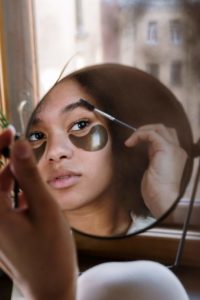
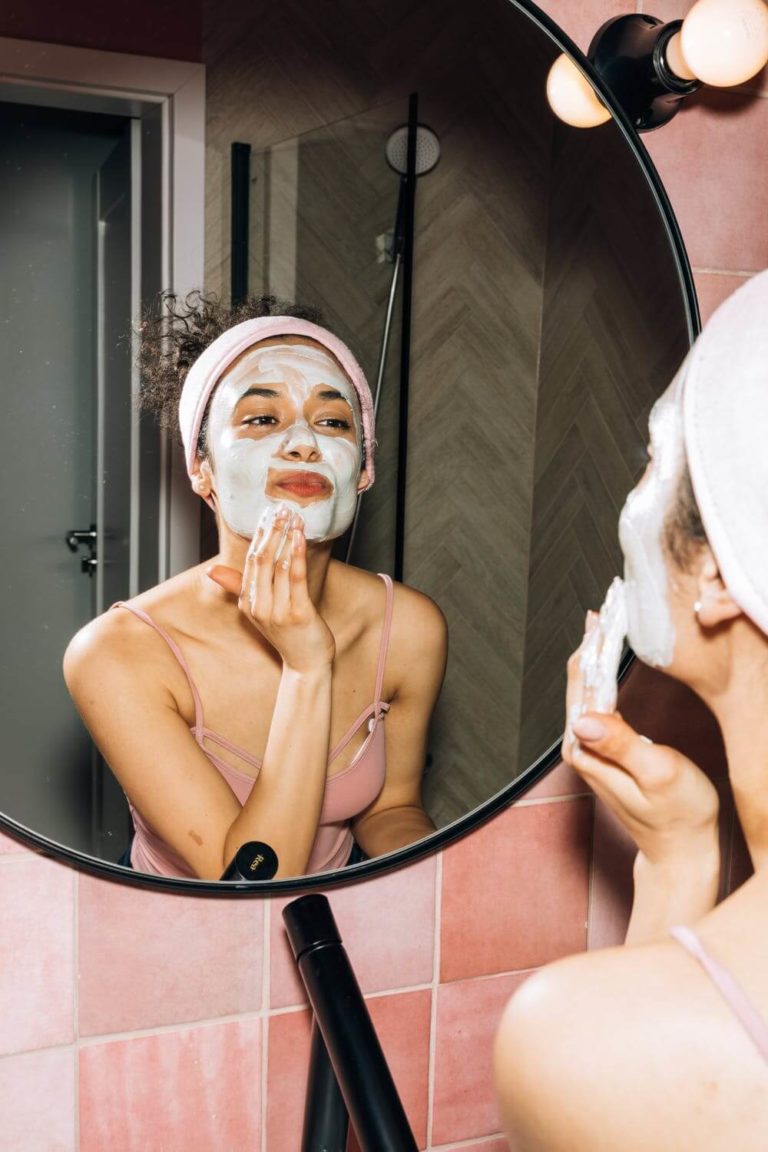
The Science of Skin Preparation: How Beauty Professionals Prep for Media
An actress steps onto a press junket stage; the lighting is harsh and unforgiving, yet her foundation holds up flawlessly under the scrutiny of 4K camera lenses. This resilience does not happen by accident. It occurs because the skin was meticulously prepped for 45 minutes before a single drop of pigment was applied. Top-tier beauty architects operate at the intersection of skincare chemistry and visual art, anticipating how environmental stressors will interact with cosmetics over a grueling 12-hour media day.
Proper skin preparation alters the skin’s pH and hydration levels, ensuring that subsequent complexion products bind evenly to the epidermis rather than sitting on top of dry patches or sliding off excess sebum. By deeply hydrating the lipid barrier first, these professionals create a smooth, elastic canvas. The result is a finish that looks like living skin rather than a static mask. They routinely collaborate with elite skin specialists to ensure their clients’ skin is optimal long before the cameras flash.
The cultural impact of these choices is measurable and immediate. A 2026 report by Allure indicated that 68% of consumer makeup purchases are directly driven by looks first debuted on red carpets or global press tours. When an A-list beauty expert introduces a new lip contour technique at a major film premiere, global cosmetic sales for those specific lip liner shades spike within 48 hours.
According to Senior Style & Beauty Editor Chloe Dubois: “When I shadow these professionals backstage at major events, I consistently notice they spend almost 70% of their time on skincare prep—massaging in serums and allowing moisturizers to fully absorb—rather than rushing into color application.”
Who Are the Leading Glam Squad Visionaries Shaping Modern Trends?

The financial and cultural footprint of top-tier beauty creators is staggering. For instance, Pat McGrath Labs reached a valuation of $1 billion (Vogue Business, 2018), underscoring how individual artistry translates into immense commercial power. These visionaries do not just apply cosmetics; they establish the very parameters of modern glamour, dictating what is considered beautiful for years to come.
Consider Mario Dedivanovic, who completely revolutionized how the world views facial sculpting. He popularized underpainting, a method where cream bronzers and blushes are applied beneath a sheer layer of foundation. This technique creates a natural, diffused shadow effect that mimics genuine bone structure rather than looking like obvious pigment sitting on the skin’s surface. Similarly, artists like Charlotte Tilbury have built empires on the promise of Old Hollywood glamour modernized for the contemporary consumer, utilizing light-reflecting formulas to achieve her signature glow.
| Artist Name | Signature Style | Notable Clients | Key Focus & Legacy |
|---|---|---|---|
| Pat McGrath | Avant-garde, luminous skin, bold color play | Naomi Campbell, Taylor Swift, Rihanna | High-impact pigments, editorial-to-runway translation |
| Mario Dedivanovic | Soft glam, masterful facial sculpting | Kim Kardashian, Salma Hayek | Pioneered modern contouring, educational masterclasses |
| Charlotte Tilbury | Golden glow, sultry feline eyes | Kate Moss, Amal Clooney, Penelope Cruz | Illuminating formulas, instant-glamour kits |
| Hung Vanngo | Diffused, romantic, monochromatic tones | Selena Gomez, Julianne Moore, Jennifer Lawrence | Seamless blending, vibrant yet wearable color stories |
The mastery of these individuals lies in their adaptability. They can seamlessly transition a client from a heavily photographed, flash-heavy gala to a soft-lit, intimate interview setting by adjusting the opacity and finish of their base products.
As Chloe Dubois notes: “Seeing Mario Dedivanovic blend a contour in person is like watching a sculptor; he relies heavily on sheer, buildable layers applied with a stippling motion rather than painting heavy, opaque stripes that require aggressive buffing.”

[INLINE IMAGE 2: collage of celebrity makeup artists working backstage, showcasing avant-garde and soft glam looks]
Types of Advanced Shadow Application and When to Apply Them
The techniques deployed by renowned glam squad artists often involve manipulating light and shadow to alter perceived facial geometry. One prime example is strobing, a technique that relies exclusively on highlighters and illuminators to bring forward the high points of the face, avoiding the dark shadows used in traditional contouring. This creates a dewy, youthful, “lit-from-within” appearance that is highly sought after in editorial photography.
Imagine a client with heavily hooded eyes preparing for a major gala. An artist will execute a precise cut crease to visually expand the lid space. By applying a bright, opaque concealer across the mobile lid and carving out a sharp line just above the natural crease, they create a new structural illusion. This prevents metallic pigments from transferring to the brow bone and ensures the eyes remain the focal point under the intense glare of flashbulbs. Readers looking to master these advanced shadow application methods must prioritize high-quality, dense detailing brushes.
| Technique | Primary Purpose | Key Products & Tools | Pro Application Tip |
|---|---|---|---|
| Baking | Crease prevention and extreme longevity | Translucent loose powder, damp beauty sponge | Apply over concealer, let sit for 3-5 minutes, dust off gently. |
| Draping | Lifting the face using color rather than shadow | Powder or cream blush in two varying shades | Blend blush from the cheekbones up into the temples. |
| Cut Crease | Enhancing lid space and eye definition | Full coverage concealer, flat synthetic brush | Look straight into the mirror to stamp the crease line naturally. |
These methodologies are constantly evolving. As formulas improve, the reliance on heavy baking has diminished in favor of targeted micro-setting. This ensures the look stays locked in place without compromising the skin’s natural radiance, a staple in current red carpet beauty trends.
Chloe Dubois explains: “The biggest shift I’ve seen recently is the move away from heavy powder baking toward targeted micro-setting with a velour puff. Pressing a minuscule amount of powder only into the T-zone preserves the skin’s luminosity everywhere else.”
How Do Elite Beauty Architects Drive Product Innovation?

According to a 2026 McKinsey Beauty Industry Report, founder-led brands helmed by working industry professionals see a 45% higher initial customer retention rate. This loyalty stems from a deep-seated consumer trust in the creator’s technical expertise. These visionaries are not just endorsing products; they are actively driving cosmetic chemistry forward to solve the functional problems they encounter on set.
Consider a scenario where a laboratory formulates a revolutionary new high-coverage foundation. It looks impeccable under standard fluorescent office lighting. However, when an elite artist tests the formula under high-intensity studio lighting, they immediately notice a severe flashback. This phenomenon occurs when high levels of silica or specific SPF filters in the formula reflect the camera flash, causing the skin to appear ghost-white in photographs. Identifying this flaw pre-launch prompts a complete reformulation, bridging the gap between clinical chemistry and real-world performance.
Collaborative product development ensures that new cosmetics can withstand extreme environmental stress. Red carpets often involve high humidity, fluctuating temperatures, and prolonged wear times. The solutions engineered by these professionals—such as film-forming setting sprays and water-resistant cream pigments—eventually filter down to the consumer market, elevating the standard of everyday beauty products.
According to Chloe Dubois: “True innovation right now is happening in hybrid formulas. I am testing foundation serums developed by top artists that offer full-coverage pigment suspended in an active skincare base, providing flawlessness without suffocating the skin’s barrier.”

[INLINE IMAGE 4: luxury cream blushes, liquid highlighters, and precision blending brushes used by celebrity makeup artists]
Adapting Red Carpet Glamour for Everyday Routines
Attempting to wear a heavily sculpted, stage-ready look into a daytime office environment often leads to a frustrating outcome. Under harsh fluorescent lighting, the heavy contour lines become starkly visible, and the foundation appears mask-like. This fails because red carpet and stage aesthetics rely heavily on physical distance and multi-directional professional lighting to soften the edges. Daylight, conversely, is unforgiving and exposes any excess product buildup.
Common Mistakes in Recreating High-Profile Looks
One of the most frequent errors consumers make is skipping the necessary absorption time between skincare layers. Applying a silicone-based foundation immediately after a heavy, oil-based moisturizer guarantees pilling—where the products roll up into tiny, visible balls on the skin. You must allow at least three to five minutes for the lipid barrier to fully absorb the emollient prep before introducing color cosmetics.
- Over-powdering the entire face: Instead of a flat matte finish, use a small, tapered brush to apply powder only to the sides of the nose, the center of the forehead, and the chin.
- Ignoring undertones in contouring: Using a warm bronzer as a contour creates muddiness. True contour shades must be cool-toned to mimic a natural shadow.
- Rushing the blending process: Seamless transitions require clean brushes and patience. Never use the same brush to apply dark contour and light concealer.
By studying the philosophies of leading industry professionals, you can refine your daily application, adapting high-profile award ceremony styling into wearable, elegant looks. It is about understanding the fundamental rules of light, texture, and facial architecture, then scaling those principles back to suit your personal environment.
Chloe Dubois advises: “A flawless base requires intense patience. I always recommend my readers do their eye makeup while their skincare prep sinks in. By the time the eyes are done, the face is perfectly primed to grip the foundation seamlessly.”
For more insights into cultivating your ultimate beauty routine, explore our comprehensive guide on Celebrity Beauty & Skincare.
Sources & References
- Allure Magazine. (2026). “The Red Carpet Economy: How Award Season Drives Global Cosmetic Consumption.” Allure Beauty Insights.
- McKinsey & Company. (2026). “The State of the Beauty Industry: Founder-Led Brands and Consumer Trust.” McKinsey Consumer Packaged Goods Practice.
- Vogue Business. (2018). “The Billion-Dollar Beauty Empire of Pat McGrath.”
About the Author

Chloe Dubois, Senior Style & Beauty Editor (Certified Gemologist, FIT Alumni, Licensed Esthetician) — Chloe is a seasoned fashion journalist with a keen eye for celebrity trends, luxury jewelry, and the latest beauty innovations.
Reviewed by Olivia Chen, Lifestyle & Product Reviewer — Last reviewed: April 08, 2026