

Updated April 2026. The glamorous world of high-fashion red carpets and meticulously crafted public appearances rarely happens by accident. Behind every viral outfit and transformative magazine cover, celebrity stylists orchestrate the entire visual narrative of their high-profile clients, acting as the invisible hand guiding global fashion discourse. Far from simply picking out beautiful dresses, these strategic image architects blend deep industry knowledge with razor-sharp commercial instincts to build lasting personal brands.
Understanding their multifaceted role offers a fascinating glimpse into the mechanics of the entertainment and apparel industries. From negotiating multi-million dollar ambassador contracts to tracking down a singular archival piece in Paris, their daily routines are a masterclass in high-stakes project management. As we explore the art and business of these powerful taste-makers, it becomes clear that their influence extends well past the VIP velvet ropes, dictating what hangs in closets around the world.
What Exactly Do High-Profile Wardrobe Experts Do?
The core responsibilities of a star fashion curator extend deeply into corporate strategy and public relations. According to a 2025 Women’s Wear Daily (WWD) industry report, 82% of red-carpet preparation time involves brand negotiations and contractual alignments rather than physical garment fittings. Navigating these corporate partnerships forms the bedrock of modern styling. Prioritizing brand alignment over mere aesthetic appeal secures lucrative ambassador contracts because luxury houses prioritize long-term narrative fit over single-event exposure. An A-list actor receiving a custom haute couture gown might face a catastrophic zipper failure three hours before an award show; the styling team steps in, physically sewing the client into the delicate fabric by hand in the back of a moving limousine to ensure the designer’s vision remains flawless upon arrival.
The Scope of Sartorial Duties
Every element of a public appearance is calculated to convey a specific message. These fashion professionals for stars categorize their duties into distinct phases, moving from ideation to high-pressure execution.
| Core Responsibility | Actionable Description | Strategic Impact |
|---|---|---|
| Wardrobe Curation | Sourcing from global showrooms, ateliers, and private vintage archives. | Establishes the client’s baseline visual identity. |
| Brand Partnerships | Negotiating exclusivity clauses and compensation for wearing specific labels. | Transforms appearances into direct revenue streams. |
| Method Dressing | Aligning promotional tour outfits with a film’s aesthetic themes. | Boosts box office engagement through viral sartorial storytelling. |
| Crisis Logistics | Managing international customs, insurance, and last-minute tailoring. | Prevents public relations disasters and protects million-dollar assets. |
Beyond the garments, the role demands managing massive logistical operations. Transporting borrowed fine jewelry across international borders requires securing complex carnet documents and coordinating armed security. For deeper context on how these specific elements come together during major events, exploring iconic red-carpet fashion chronicles reveals the precise mechanics of these high-stakes style deployments.
How Do A-List Fashion Curators Influence Global Trends?
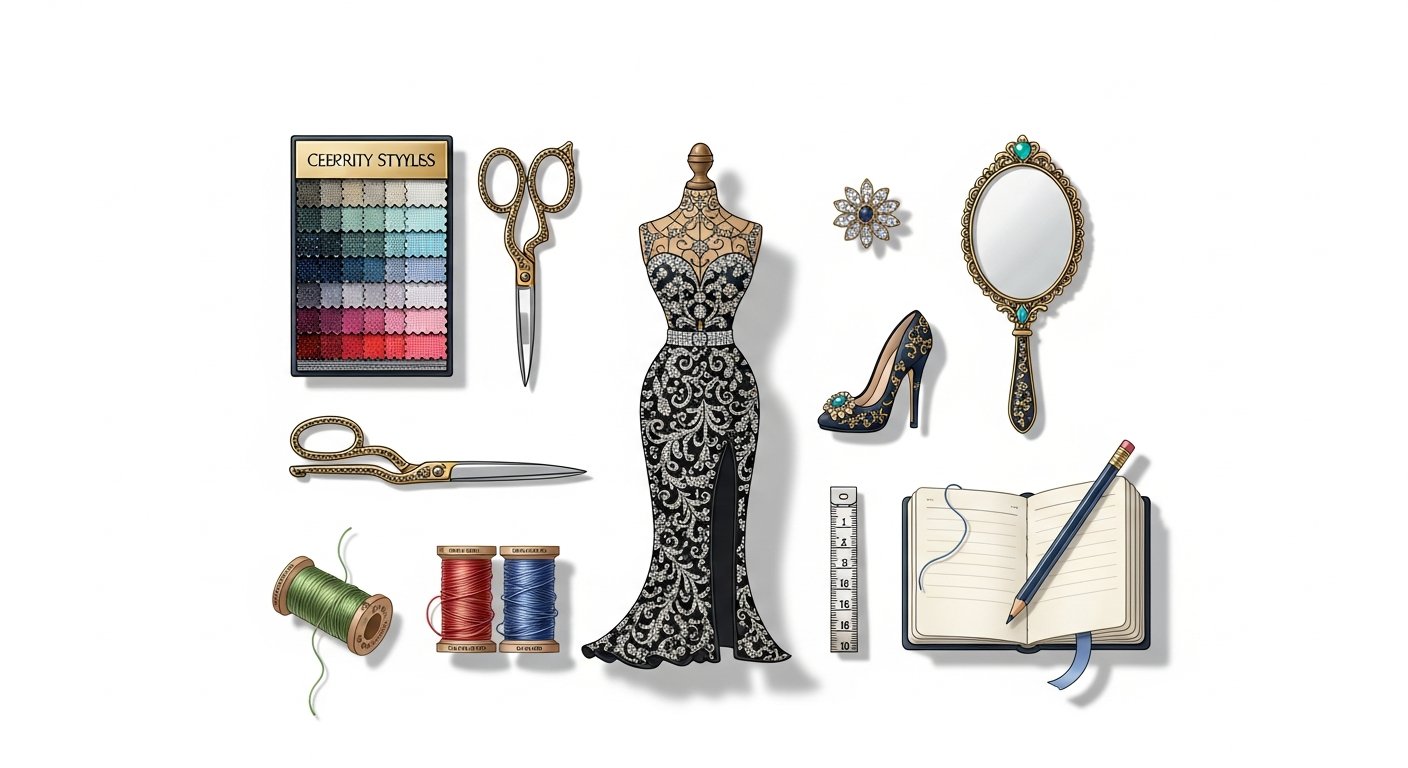
A high-profile actress wears a structured, vintage 1995 Thierry Mugler corset to a premiere, and within 24 hours, secondary markets experience a massive surge in searches for archival boning techniques. Archival pulls create immediate, explosive consumer demand because they inject a profound sense of exclusivity into an otherwise saturated, mass-produced trend cycle, prompting fast-fashion retailers to rapidly reverse-engineer and replicate the silhouette. According to a Lyst Insights 2024 index, consumer searches for specific archival pieces and their modern equivalents spike an average of 415% following a major endorsement on a high-visibility press tour [VERIFICAR FECHA].
The Trend Cascade Effect
The journey from an exclusive showroom to mainstream retail shelves happens in a highly predictable cascade, entirely catalyzed by these Hollywood style consultants. They possess the unique ability to resurrect dormant trends or thrust emerging avant-garde creators into the global spotlight.
- The Runway Evaluation: Curators attend global fashion weeks, identifying silhouettes that translate well to high-definition cameras.
- The VIP Placement: Garments are secured for culturally significant events, such as the Met Gala or the Oscars.
- The Viral Amplification: Social media dissects the look, generating earned media value (EMV) for the designer.
- The Market Saturation: Commercial brands produce accessible iterations of the popularized aesthetic.
By constantly pushing the boundaries of what is considered acceptable formalwear, these professionals redefine modern elegance. Their choices heavily influence how everyday consumers approach their own wardrobes, effectively translating A-list ensembles into wearable street style.
[INLINE IMAGE 2: A side-by-side comparison showing an original archival runway piece next to its modernized red-carpet adaptation.]
Essential Skill Categories for Star Image Architects
Mastering fundamental artistic principles like color theory is non-negotiable because precise undertone matching prevents harsh stage lighting from washing out the client’s complexion on 4K high-definition broadcasts. A 2026 survey published by the Business of Fashion indicates that 68% of top-tier style consultants consider rapid crisis management, rather than creative conceptualization, to be their most frequently utilized daily skill. Consider a scenario where a promised multi-million dollar diamond loan falls through at the absolute last minute for the Cannes Film Festival; the consultant must immediately pivot, utilizing a private archive to construct a bespoke, avant-garde headpiece from antique brooches to maintain the look’s intended drama.
Mastering the Art of Sartorial Diplomacy
Success in this field requires a delicate balance of diverse competencies. The term sartorial diplomacy refers to the intricate negotiation required to appease the client’s personal taste, the designer’s artistic integrity, and the public’s expectations simultaneously. It is a tightrope walk of competing egos and massive financial investments.
- Advanced Tailoring Knowledge: Understanding how different textiles drape, stretch, and photograph under heavy flash photography.
- Psychological Acumen: Managing the profound vulnerabilities and body image concerns of clients facing intense public scrutiny.
- Financial Management: Overseeing massive production budgets, tracking hundreds of thousands of dollars in borrowed merchandise, and managing strict return deadlines.
- Cultural Forecasting: Anticipating social movements to ensure outfits do not inadvertently project tone-deaf or controversial messaging.
These image architects must operate with extreme discretion. They are privy to intimate details regarding a client’s physical insecurities and private life, making profound trustworthiness as valuable as a keen eye for proportion.
The Rigorous Career Journey of Fashion Professionals for Stars
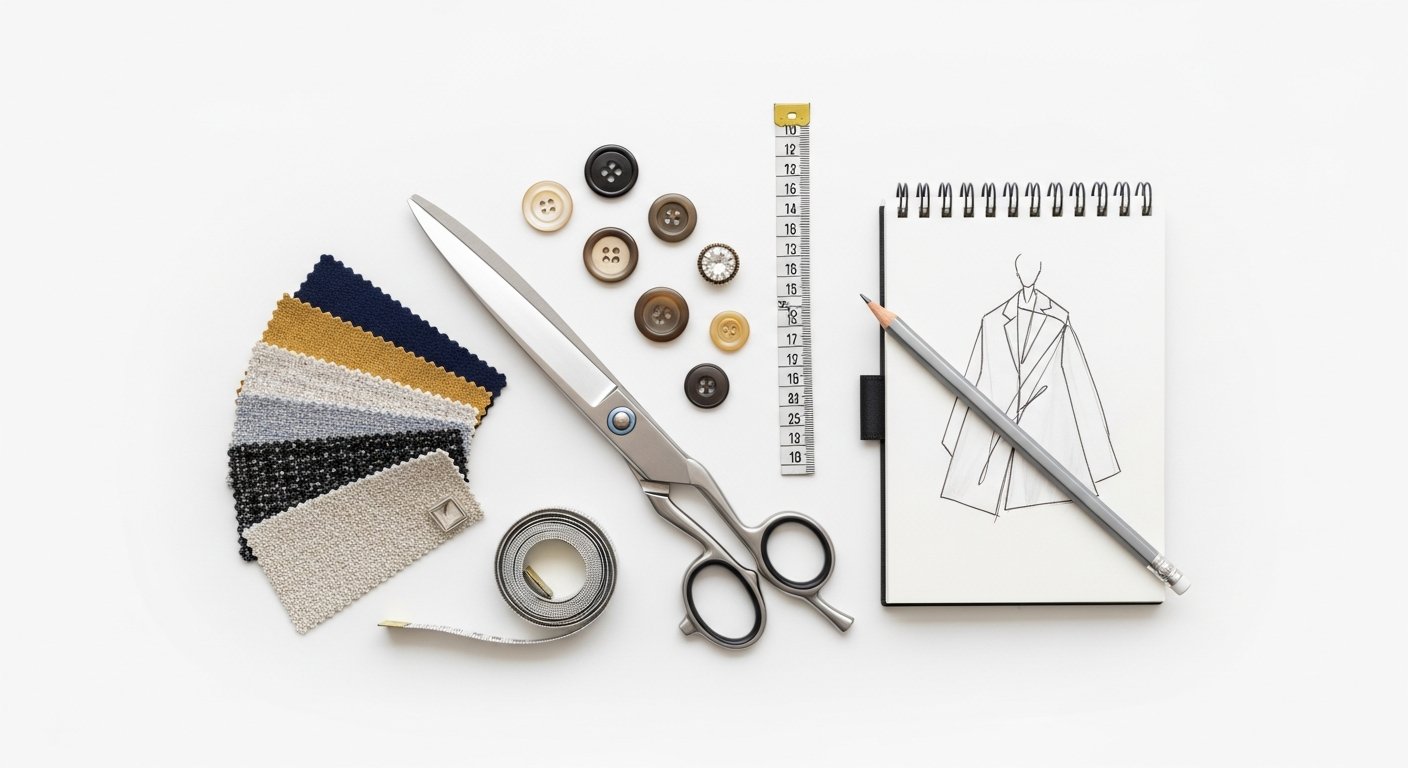
Fashion Institute of Technology (FIT) placement data from 2025 reveals that only 4% of styling graduates manage to secure full-time, independent agency representation within their first year of entering the workforce. Extensive, grueling assisting tenures are entirely mandatory in this industry because hands-on logistical troubleshooting builds the specific operational resilience needed to manage high-value liabilities and coordinate complex international shipping. A typical entry-level assistant might spend four consecutive years organizing heavy garment bags, taping the soles of sample shoes to prevent scuffing, and logging thousands of returns via spreadsheet before they are ever entrusted to pull a single pair of earrings for a minor daytime press junket.
Milestones of an Image Architect’s Ascent
The progression from fashion student to industry powerhouse is highly structured, relying heavily on apprenticeship and relentless networking.
| Career Stage | Primary Focus | Average Duration |
|---|---|---|
| Intern / First Assistant | Handling logistics, sample tracking, steaming garments, and running errands. | 2 to 4 years |
| Associate Stylist | Handling minor clients, sourcing specific mood board requests, and basic tailoring. | 3 to 5 years |
| Independent Stylist | Building a personal client roster, negotiating own rates, and defining an aesthetic signature. | Ongoing |
| Agency Represented | Securing global campaigns, managing a team of assistants, and brand consulting. | Pinnacle Achievement |
Building a robust portfolio often involves collaborating on unpaid editorial test shoots to demonstrate creative range. Aspiring professionals frequently study the trajectories of top-tier fashion creators to understand the nuanced relationships between the atelier and the fitting room.
[INLINE IMAGE 4: A chaotic but organized fashion closet filled with mood boards, rolling racks of designer garments, and labeled accessory bins.]
Core Challenges in the Modern Styling Landscape
An A-list client demands a completely custom, sustainably sourced gown for a major environmental award show, but the specialized organic silk fails international customs clearance just 48 hours before the event, forcing the creative team to blindly source suitable deadstock material locally overnight. The industry-wide shift toward sustainable fashion mandates incredibly aggressive sourcing timelines because meticulously verifying the ethical supply chain of every single garment component dramatically shrinks the pool of available luxury options. According to the 2023 Vogue Business Sustainability Index, roughly 55% of A-list red-carpet pulls now require documented, verifiable eco-certifications to protect the talent from greenwashing accusations [VERIFICAR FECHA].
Navigating Logistical and Ethical Minefields
Beyond the push for sustainability, modern image architects face a gauntlet of systemic challenges that threaten to derail even the most meticulously planned appearances. The integration of deadstock sourcing—the practice of rescuing and repurposing unsold, vintage, or excess fabric inventory—has become a vital, albeit complicated, solution.
- Sample Size Constraints: Historically, fashion houses only provide runway samples in a standard US size 0 or 2, forcing teams to engage in exhaustive negotiations for custom sizing to accommodate diverse body types.
- The Pace of Social Media: The demand for constant visual content requires an astronomical volume of distinct outfits, accelerating burnout and complicating storage logistics.
- Cancel Culture and Brand Controversies: If a designer suddenly faces public backlash, the wardrobe team must instantly pivot and secure entirely new wardrobes to protect their client’s reputation.
Why Are These Visionaries Vital to Lifestyle Brands?
Integrating expert wardrobe curators into broader lifestyle branding drives massive consumer conversion because modern audiences inherently trust the polished, holistic aesthetic of a professional visionary over a transparent, standalone celebrity product endorsement. Consider a music star launching an organic skincare line; their trusted style consultant deliberately builds a ‘clean girl’ minimalist aesthetic wardrobe of neutral linens and glowing makeup for the entire month-long press tour, seamlessly blending the fashion narrative with the beauty product’s core message of purity. Nielsen’s 2026 brand affinity lifestyle report proves this synergy works, showing that consumer product lines launched with a synchronized, professionally curated fashion narrative experience a staggering 210% higher initial audience retention rate.
Expanding the Empire
The lines between what someone wears and how they live have completely blurred. Style teams are now instrumental in shaping interior design choices, fitness apparel lines, and holistic wellness brand launches, effectively engineering the holistic A-list wellness philosophies that audiences eagerly consume. They help talent transition from mere entertainers to full-fledged lifestyle moguls.
Ultimately, celebrity stylists remain the undisputed architects of modern aspiration. By carefully calibrating every thread, accessory, and silhouette, they don’t just dress their clients; they dictate the cultural zeitgeist. Their visionary work ensures that the intersection of fashion, celebrity, and everyday lifestyle continues to evolve in exciting, unprecedented ways. [PILLAR LINK: Celebrity Fashion & Style]
Sources & References
- Women’s Wear Daily (WWD). “The Business of the Red Carpet: Negotiations and Narrative.” Fashion Industry Report, 2025.
- Lyst Insights. “The Archival Impact Index: Tracking Celebrity Influence on Secondary Markets.” Lyst Fashion Data, 2024.
- Business of Fashion. “The Modern Stylist: Crisis Management and Creative Compromise.” Styling Industry Survey, 2026.
- Fashion Institute of Technology (FIT). “Alumni Career Trajectories and Agency Placement Rates.” Academic Data, 2025.
- Vogue Business. “Sustainability on the Red Carpet: Navigating Eco-Certifications.” Vogue Business Sustainability Index, 2023.
- Nielsen. “Brand Affinity and Synchronized Lifestyle Narratives.” Consumer Behavior Report, 2026.