
From Classic Glamour to Viral Moments: The Evolution of Late Night Talk Shows and Their Impact on Celebrity Style
The Golden Age: Classic Glamour and the Carson Era (1960s-1980s)
Imagine a time when television was a more formal affair, and late-night was truly an event. The Johnny Carson era, spanning from 1962 to 1992, was the epitome of sophisticated entertainment. When you tuned into The Tonight Show, you weren’t just watching a host; you were witnessing a masterclass in elegant presentation, both from Carson himself and his illustrious guests. This was an era where Hollywood royalty graced the couch, and their appearances were meticulously curated to exude an air of aspirational glamour. Think timeless silhouettes, impeccable tailoring, and a pervasive sense of polished refinement.
For women, this meant:
- Structured Silhouettes: Shift dresses, tailored suits, and elegant evening gowns were the norm. Fabrics like silk, satin, and brocade added to the luxurious feel. Celebrities like Elizabeth Taylor, known for her opulent taste, would often appear in stunning, figure-flattering ensembles that underscored her star power.
- Statement Jewelry: While not overly flashy by today’s standards, the jewelry was significant. Pearls were a perennial favorite, adorning necks and ears with their classic luster. Diamond earrings, often studs or elegant drops, added a subtle sparkle. Brooches, a staple of the era, would often be pinned to a lapel or dress, sometimes featuring intricate designs or precious gemstones. Consider the understated elegance of Grace Kelly, whose style influenced countless women, opting for classic diamond and pearl pieces that spoke volumes without shouting.
- Impeccable Hair and Makeup: Hair was often sculpted into perfect bouffants, elegant chignons, or soft waves, always looking “done.” Makeup emphasized a clean, radiant complexion, often with a defined eye (think a subtle cat-eye or perfectly lined lids) and a classic red or rose-toned lip. The goal was to look effortlessly beautiful, even though hours of preparation went into achieving that look.
Men, including Carson himself, were invariably clad in sharp, bespoke suits, often accessorized with a crisp shirt and a perfectly knotted tie. This sartorial standard set a benchmark for professionalism and charm, influencing how gentlemen presented themselves in public life. The overall aesthetic was one of aspirational elegance, suggesting that late-night was a place where stars truly shone, and you, the viewer, could glimpse a world of refined beauty and style.
The Edgy ’90s: Letterman’s Rebellion and Grunge-Chic
As the calendar flipped to the 1990s, a seismic shift began to rumble through late-night television, spearheaded by the irreverent wit of David Letterman. His move to CBS in 1993 marked a significant departure from the polished grandeur of Carson, ushering in an era of ironic detachment, self-deprecating humor, and a decidedly more casual approach to celebrity. This wasn’t just about a new host; it was a cultural pivot that permeated fashion, beauty, and even how celebrities engaged with the public. The “grunge” movement was flourishing, and its influence, while not directly translated into red carpet gowns, certainly seeped into the overall vibe of the decade.
For late-night guests, this meant a loosening of the sartorial reins:
- Deconstructed Glamour: While still glamorous, the looks were less rigid. Slip dresses, often paired with cardigans or leather jackets, became incredibly popular, epitomizing a kind of “undone” elegance. Designers like Calvin Klein and Marc Jacobs championed minimalism and a more relaxed silhouette.
- Subtler Jewelry: The opulent statement pieces of the ’80s gave way to more understated and sometimes even rebellious jewelry. Chokers, particularly velvet or tattoo chokers, became a defining accessory. Simple silver hoops, delicate pendant necklaces, and stacked rings were favored over large, sparkling gems. There was a move towards more personalized, less ostentatious pieces. Think of Gwyneth Paltrow or Julia Roberts in their earlier careers, often opting for simpler gold or silver chains and earrings that complemented their relaxed yet chic ensembles.
- Natural Beauty with an Edge: Makeup embraced a more natural, “no-makeup makeup” look, though often with a grungy twist. Think smudged eyeliner, berry-stained lips, and a focus on healthy, albeit sometimes intentionally messy, hair. The supermodel era, led by icons like Kate Moss, championed a more effortless, raw beauty that was perfectly suited for the slightly less formal late-night stage.
Letterman himself, with his famously rumpled suits and sardonic smirk, embodied this shift. He wasn’t trying to be the “king of late-night” in the Carson mold; he was the cool, slightly cynical older brother. This attitude gave guests permission to be more authentic, more relatable, and often, more experimental with their style. The ’90s on late-night were about breaking free from rigid expectations, hinting at the even greater transformations to come.
The Millennial Shift: Leno, O’Brien, and the Mainstream Appeal (2000s)
The turn of the millennium brought with it a new era of late-night television, dominated by the long-running rivalry between Jay Leno and Conan O’Brien. This period, roughly from the late ’90s through the 2000s, saw late-night solidify its role as a mainstream platform for celebrity promotion. With the rise of the internet and entertainment news cycles, a guest’s appearance on shows like The Tonight Show with Jay Leno or Late Night with Conan O’Brien became a crucial stop on their publicity tours. This shift had a direct impact on the style choices seen on these programs, moving towards a more polished, accessible, and often overtly branded glamour.
Celebrities appearing during this time often showcased looks that were:
- Red Carpet Ready, but Couch Friendly: While still glamorous, outfits were chosen with the seated interview format in mind. Necklines, sleeve lengths, and skirt hems were carefully considered to look good from the waist up and to avoid any wardrobe malfunctions. We saw a proliferation of designer cocktail dresses, tailored separates, and luxurious fabrics that translated well under studio lights.
- Brand Conscious: The 2000s were the heyday of the “it” bag and overt designer branding. Celebrities were often dressed head-to-toe in recognizable labels, from Versace and Gucci to Louis Vuitton and Chanel. The jewelry often followed suit, with recognizable designer pieces or more substantial diamond and precious gemstone creations that signaled status and success. Think of Jennifer Aniston’s consistently chic, effortless style, often featuring delicate diamond necklaces or stud earrings that complemented her sleek hair and minimalist fashion choices.
- Glossy and Polished: Beauty trends leaned towards a more “done” look. Hair was often sleek and straightened or styled into bouncy blowouts. Makeup featured glowing skin, often with a touch of shimmer, defined eyes (smoky eyes gained immense popularity), and glossy lips. The goal was to appear flawless and aspirational, reflecting the growing influence of celebrity culture on mainstream beauty standards.
The competition between Leno and O’Brien, and later the “Tonight Show” debacle, further highlighted the commercial stakes of late-night television. Every appearance was meticulously planned, not just for comedic effect, but for maximum visual impact. The 2000s cemented late-night as a prime opportunity for celebrities to showcase their personal brand, often with the help of increasingly influential stylists and publicists. This era laid the groundwork for the hyper-curated, viral-ready looks we see today.
Viral Moments and Social Media Savvy: The Fallon/Corden Era (2010s)
Enter the age of social media, where a single late-night appearance can generate millions of views, shares, and memes before the episode even finishes airing. The 2010s, dominated by hosts like Jimmy Fallon on The Tonight Show and James Corden on The Late Late Show, ushered in a new paradigm for late-night: the emphasis shifted from just a good interview to creating “viral moments.” This cultural pivot fundamentally changed how celebrities dressed, accessorized, and presented themselves, turning the late-night couch into a stage for shareable, Instagrammable style.
For celebrities and their stylists, the approach became:
- Playful and Bold Fashion: Outfits were chosen not just for elegance, but for their visual impact and potential to go viral. Bright colors, unexpected patterns, statement sleeves, and unique silhouettes became common. The goal was to stand out, be memorable, and spark conversation online. Think of Rihanna’s fearless fashion choices, often appearing in avant-garde designer pieces that immediately become trending topics.
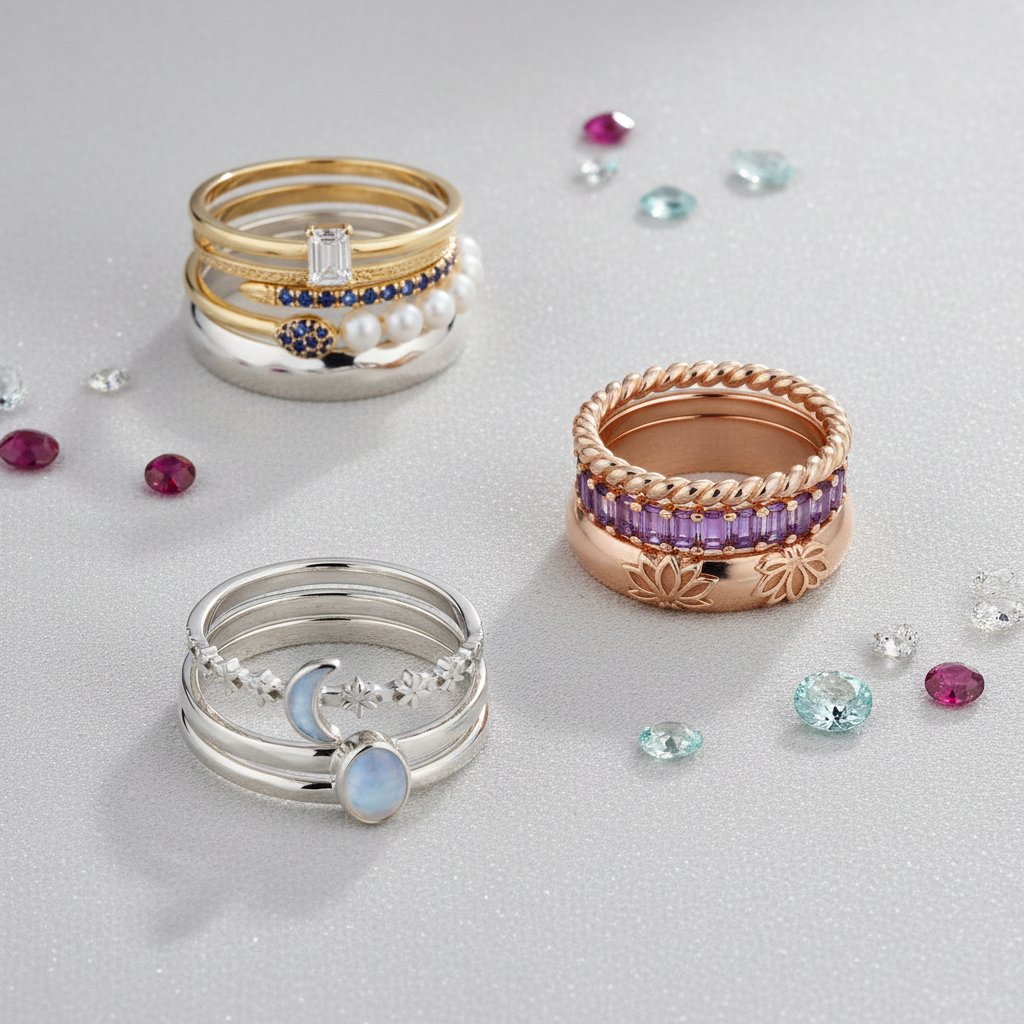
- Instagrammable Jewelry: Delicate, layered necklaces, bold ear cuffs, and unique cocktail rings became popular. The focus was on pieces that would photograph well in close-ups, especially for social media posts. There was a trend towards personalized jewelry, often featuring initials, birthstones, or meaningful symbols, adding a touch of relatability to the high-fashion looks. Brands like Mejuri and Catbird gained traction for their accessible yet stylish fine jewelry perfect for layering.
- Flawless but Approachable Beauty: Makeup remained polished but often incorporated trends that translated well to photos and videos. Contouring and highlighting became mainstream, creating sculpted features. Bold lip colors and intricate eye makeup were used to make a statement. Hair was often styled in a way that had movement and personality, whether it was sleek and straight, voluminous waves, or a chic updo that could withstand a playful game segment.
Hosts like Fallon, with his game segments, and Corden, with his “Carpool Karaoke,” created environments where celebrities could let loose and show a different side of themselves. This encouraged more adventurous fashion choices. The pressure to create a “moment” meant that every detail, from the cut of a dress to the sparkle of an earring, was meticulously planned to capture attention and resonate with a digitally savvy audience. The late-night appearance became less about a formal interview and more about a performance, with style playing a leading role in the overall spectacle.
Diversity, Authenticity, and Power Dressing: Colbert, Noah, and Modern Hosts
The late 2010s and early 2020s have brought yet another profound evolution to late-night television, marked by a growing emphasis on diversity, authenticity, and social commentary. With hosts like Stephen Colbert, Trevor Noah (during his tenure), Seth Meyers, and a new generation of diverse voices, the late-night landscape has become a more reflective mirror of contemporary society. This shift has had a powerful impact on celebrity style, moving towards looks that are not just glamorous, but also meaningful, personal, and often make a statement.
Today’s late-night style is characterized by:
- Purposeful Power Dressing: We see a resurgence of tailored power suits, often in vibrant colors or unique patterns, worn by both men and women. This isn’t just about looking good; it’s about projecting confidence, authority, and a sense of purpose. Celebrities are using their platforms, and their clothing, to convey messages about empowerment, individuality, and even political stances. Think of Zendaya, who consistently uses fashion as a form of storytelling, often appearing in impeccably tailored, boundary-pushing ensembles.
- Sustainable and Ethical Fashion: With a heightened awareness of social and environmental issues, many celebrities and their stylists are consciously opting for sustainable brands, vintage pieces, or designers who prioritize ethical practices. This adds another layer of authenticity to their late-night appearances, aligning their fashion choices with their values.
- Personalized and Meaningful Jewelry: Beyond just sparkle, jewelry choices often carry deeper significance. This could be heirloom pieces, custom designs, or pieces from independent jewelers that reflect personal stories or cultural heritage. Layered necklaces with charms representing loved ones, symbolic rings, or earrings from diverse designers are becoming more prevalent.
- Authentic Beauty: While still polished, there’s a greater appreciation for natural textures, diverse skin tones, and individuality in beauty. Hair is celebrated in its natural state, whether curly, coily, or straight. Makeup artistry focuses on enhancing natural features rather than masking them, with a wider range of foundation shades and a spotlight on inclusive beauty brands.
The conversations on modern late-night shows often delve into deeper topics, and celebrity style has evolved to match this gravitas. It’s about presenting a holistic image that speaks to who the celebrity is, what they stand for, and how they connect with their audience on a more profound level. This era champions self-expression and conscious choices, making late-night fashion a powerful tool for personal branding and social impact.
Behind the Scenes: The Stylist’s Role in Late Night Glamour
While we marvel at the dazzling looks gracing the late-night couch, it’s crucial to pull back the curtain and acknowledge the unsung heroes behind the glamour: the celebrity stylists, hair artists, and makeup professionals. Their expertise is paramount in translating runway trends and personal aesthetics into “TV-ready” perfection. The late-night format presents unique challenges that differ from a red carpet event or a magazine photoshoot, and these experts are masters at navigating them.
Consider the specific elements a stylist must address for a late-night appearance:
- The Seated Factor: Unlike a red carpet where the full outfit is seen standing, late-night interviews are primarily shot from the waist up. This means necklines, sleeve details, and the upper half of the garment become critical. Stylists carefully choose pieces that drape well while seated, avoid excessive bunching, and ensure the silhouette remains flattering.
- Lighting and Camera Angles: Studio lighting can be unforgiving. Fabrics that shimmer too much, patterns that create moiré effects, or colors that wash out on camera are strictly avoided. Stylists select materials and hues that appear vibrant and rich under the lights, ensuring the celebrity looks radiant in every close-up.
- Movement and Comfort: While looking glamorous is key, comfort is also important. Celebrities need to be able to gesture freely, laugh, and engage without feeling constrained by their clothing or accessories. Jewelry, for instance, must be secure and not create distracting glares or noises.
- Brand Messaging and Personal Narrative: Beyond aesthetics, stylists work closely with publicists and the celebrity themselves to ensure the outfit aligns with current projects, personal branding, or even a specific message they wish to convey. Is the celebrity promoting a serious drama or a lighthearted comedy? Their attire will subtly reflect this.
- Hair and Makeup for Durability: Hair and makeup artists are tasked with creating looks that not only photograph beautifully but also withstand the duration of the interview, potential games, and the warmth of studio lights. Long-wearing formulas, strategic setting sprays, and touch-up kits are essential.
Renowned stylists like Leslie Fremar (known for her work with Julianne Moore and Charlize Theron) or Elizabeth Stewart (who dresses Julia Roberts and Cate Blanchett) are adept at crafting looks that are both stunning and perfectly suited for the late-night environment. Their meticulous attention to detail ensures that every celebrity who graces the late-night stage is not just dressed, but impeccably presented, ready to captivate audiences and inspire our own style choices.
The “After-Show Glow”: Beauty Trends Born on the Late Night Couch
Beyond the shimmering gowns and statement jewelry, late-night television has always been a powerful incubator for beauty trends. The close-up shots, the intimate interview setting, and the sheer visibility of celebrities showcasing their best “on-screen” selves have launched countless looks into the mainstream. From specific lipstick shades to innovative hair techniques, the “after-show glow” often sparks our next beauty obsession.
Think about how late-night has influenced your beauty regimen:
- The Evolution of the Eye:
- In the earlier decades, a perfectly defined, subtle liner and mascara were paramount.
- The 2000s saw the smoky eye become a ubiquitous trend, often seen on stars promoting action films or dramatic series.
- Today, we see more experimental eye looks, from graphic liners to vibrant eyeshadows, reflecting a bolder approach to self-expression.
- Lipstick Legends: A celebrity’s choice of lipstick shade on late-night can instantly become a best-seller. Remember the nude lip craze, the resurgence of classic reds, or the recent popularity of berry tones? These often gain traction after being spotted on a beloved star. Makeup artists like Pat McGrath and Charlotte Tilbury often see their products fly off shelves after a high-profile celebrity appearance.
- Hair Transformations: Whether it’s a sleek bob, voluminous waves, or a new fringe, a celebrity’s haircut or style on late-night can inspire millions to book an appointment with their own stylist. The “Rachel” haircut from the ’90s, though not strictly a late-night phenomenon, illustrates the power of celebrity influence, and countless other hair trends have been solidified on the talk show circuit.
- The Art of the Glow: From subtle highlighting techniques to the full-on “glazed donut” skin trend, the emphasis on radiant, healthy-looking skin has been a constant. Late-night appearances demand a flawless yet natural-looking complexion, inspiring viewers to invest in skincare and complexion products that promise a similar luminosity.
Celebrities often use late-night appearances to debut new looks or solidify their signature style, making these shows prime real estate for beauty inspiration. The accessibility of seeing these looks in a relatively “normal” (albeit glamorous) setting makes them feel achievable, encouraging you to experiment and find your own after-show glow.
Iconic Late Night Looks: A Decades-Spanning Style Guide
Let’s take a moment to appreciate how late-night style has shifted through the eras, offering you a fascinating glimpse into the evolution of celebrity fashion, jewelry, and beauty. Each decade brought its own unique flavor, influencing everything from the cut of a dress to the sparkle of an earring.
| Decade/Era | Iconic Host/Guest Example | Signature Style Element | Key Jewelry/Accessory | Impact on Trends |
|---|---|---|---|---|
| 1960s-1980s (Carson) | Elizabeth Taylor, Johnny Carson | Tailored elegance, structured dresses, bespoke suits | Classic pearls, diamond studs, elegant brooches | Defined aspirational glamour, formal TV attire, timeless sophistication. |
| 1990s (Letterman) | Gwyneth Paltrow, David Letterman | Minimalist chic, slip dresses, relaxed tailoring, leather jackets | Chokers (velvet/tattoo), simple silver hoops, delicate pendants | Introduced “cool” casualness, understated luxury, grunge influence. |
| 2000s (Leno/O’Brien) | Jennifer Aniston, Jay Leno | Designer cocktail dresses, polished separates, mainstream glamour | Substantial diamond earrings, “it” designer watches, logo jewelry | Red carpet-ready looks, celebrity branding, glossy perfection. |
| 2010s (Fallon/Corden) | Rihanna, Jimmy Fallon | Bold colors, statement sleeves, playful silhouettes, Instagrammable fashion | Layered delicate necklaces, ear cuffs, unique cocktail rings | Viral fashion moments, social media influence, playful experimentation. |
| 2020s (Colbert/Noah) | Zendaya, Trevor Noah | Power suits, sustainable fashion, authentic self-expression, vibrant hues | Meaningful custom pieces, ethical brands, symbolic jewelry | Purposeful dressing, diversity in design, conscious consumerism. |
Key Takeaways
- Late-night talk shows have consistently mirrored and influenced broader cultural shifts in fashion, jewelry, and beauty.
- The evolution from formal elegance to casual chic and now purposeful power dressing reflects changing societal values and celebrity roles.
- Stylists play a crucial role in adapting high fashion for the unique demands of the seated, televised interview format.
- Social media has transformed late-night appearances into opportunities for viral fashion moments and direct audience engagement.
- Beauty trends, from specific makeup looks to hairstyles, are frequently launched and popularized through celebrity appearances on these shows.
Frequently Asked Questions
Q: How did late-night talk shows first influence celebrity style?
A: In the early decades, particularly during the Johnny Carson era, late-night shows served as a primary platform for celebrities to showcase their polished, aspirational glamour. Stars would appear in meticulously tailored outfits and classic jewelry, setting a standard for sophistication and elegance that influenced public perception of celebrity style.
Q: What role does a celebrity stylist play for a late-night appearance?
A: Celebrity stylists are crucial. They select outfits that look impeccable while the star is seated, considering camera angles, lighting, and comfort. They also ensure the look aligns with the celebrity’s current projects, personal brand, and any messages they wish to convey, often incorporating specific jewelry or accessories to complete the aesthetic.
Q: How has social media changed late-night fashion?
A: Social media has transformed late-night fashion by prioritizing “viral moments.” Outfits are now chosen for their visual impact, potential to generate buzz, and Instagrammability. This encourages bolder choices, playful accessories, and looks that are designed to be shared and discussed across digital platforms.
Q: Are there specific beauty trends that originated or gained popularity through late-night shows?
A: Absolutely! Many beauty trends, from specific lipstick shades and eye makeup techniques (like the smoky eye) to popular hairstyles (such as sleek straight hair or bouncy blowouts), have gained immense popularity after being showcased by celebrities on late-night talk shows. The close-up nature of TV allows viewers to truly appreciate and emulate these looks.
Q: What are some current trends in late-night celebrity style?
A: Current trends emphasize authenticity, purpose, and individuality. We see a lot of power dressing (tailored suits, bold colors), a growing focus on sustainable and ethical fashion choices, and personalized jewelry that carries deeper meaning. Celebrities are using their late-night platforms to make statements not just with their words, but with their wardrobes.
As the final credits roll on our journey through the decades of late-night glamour, it’s clear that these shows are far more than just entertainment; they are living archives of style, evolving with every cultural shift and technological advancement. From the understated elegance of the Carson era to the vibrant, statement-making ensembles of today’s viral stars, late-night television continues to be an unparalleled source of inspiration for fashion, jewelry, and beauty. It’s a reminder that true style is timeless, yet always in motion, inviting you to take cues from your favorite stars and infuse your own life with a touch of that undeniable, captivating shine. So, next time you tune in, pay a little extra attention to the details – you might just discover your next signature look!
Article by Celeste Dubois, Celebrity Style Editor at Celebrity Exchange.