

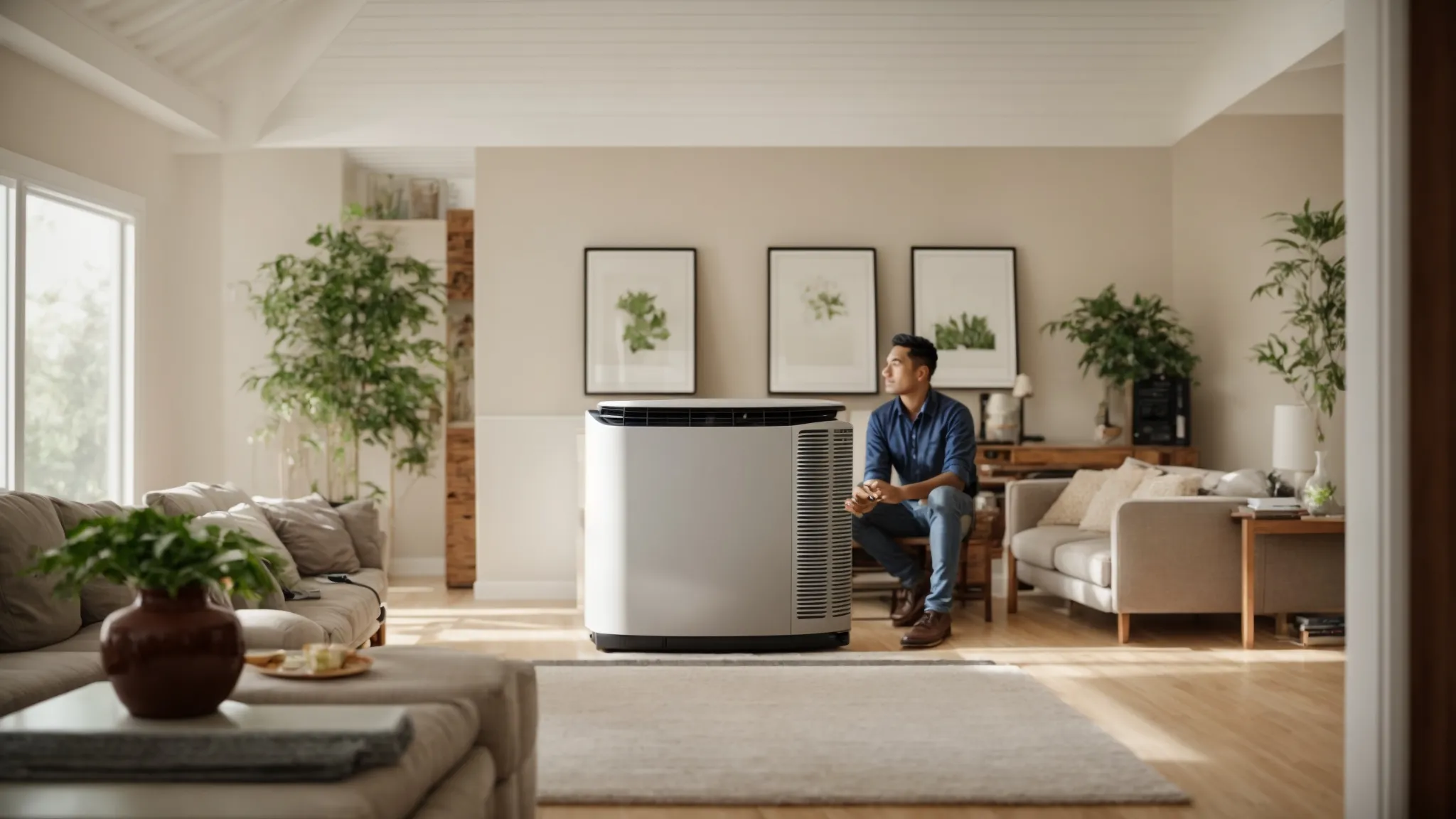

Choosing between central air conditioning and window units for your home involves a critical analysis beyond just the initial cost. While a median central air conditioning system can set you back by about $5,000 to $7,000, window units are significantly cheaper with a price point of around $150 to $800 per unit. This price disparity impacts long term decision-making for homeowners.
Understanding the advantages and drawbacks of each cooling solution is imperative in ensuring you make an informed decision that aligns with your needs and means. In this article, we will explore the crucial aspects of both cooling options and guide you towards making a choice that brings comfort and efficiency to your home.
Central Air Conditioning vs Window Units: Decoding the Pros and Cons

Central air conditioning offers consistent cooling throughout the house, which is a significant advantage over the localized comfort that window units provide. Enjoying a uniform temperature in every room can dramatically improve the living experience, especially in larger homes.
On the other hand, window units afford flexibility and are less expensive to install. They can be ideal for people living in smaller apartments or for those who desire to cool only specific areas as needed. This can be a cost-effective solution for tenants or individuals who move frequently.
When deciding between the two, consider the size of your space and your cooling needs. For larger homes with multiple rooms, central air might be the better investment. For smaller, compartmentalized spaces, window units might suffice. For expert advice, consider reaching out to Cool Air Today.
Assessing Energy Efficiency in Cooling Solutions
In terms of energy efficiency, central air conditioning systems are typically more efficient when it comes to cooling large spaces, despite the higher upfront cost. Modern central AC systems often feature high Seasonal Energy Efficiency Ratio (SEER) ratings, which imply better energy use and can lead to savings on utility bills over time.
Window units, while less efficient for large spaces, can still be energy-saving choices for individual rooms. By cooling only occupied areas instead of the whole house, window units can reduce total energy consumption. To maximize efficiency, it’s essential to look for models with the ENERGY STAR label, signifying government-approved energy efficiency.
Homeowners should calculate their expected energy usage and compare the potential energy costs associated with both options. This includes taking into account the SEER ratings and understanding the energy demands of their specific climate and home. Energy-saving practices like proper insulation and using programmable thermostats can also enhance efficiency regardless of the cooling system chosen.
Installation and Maintenance: Comparing Central AC and Window Units
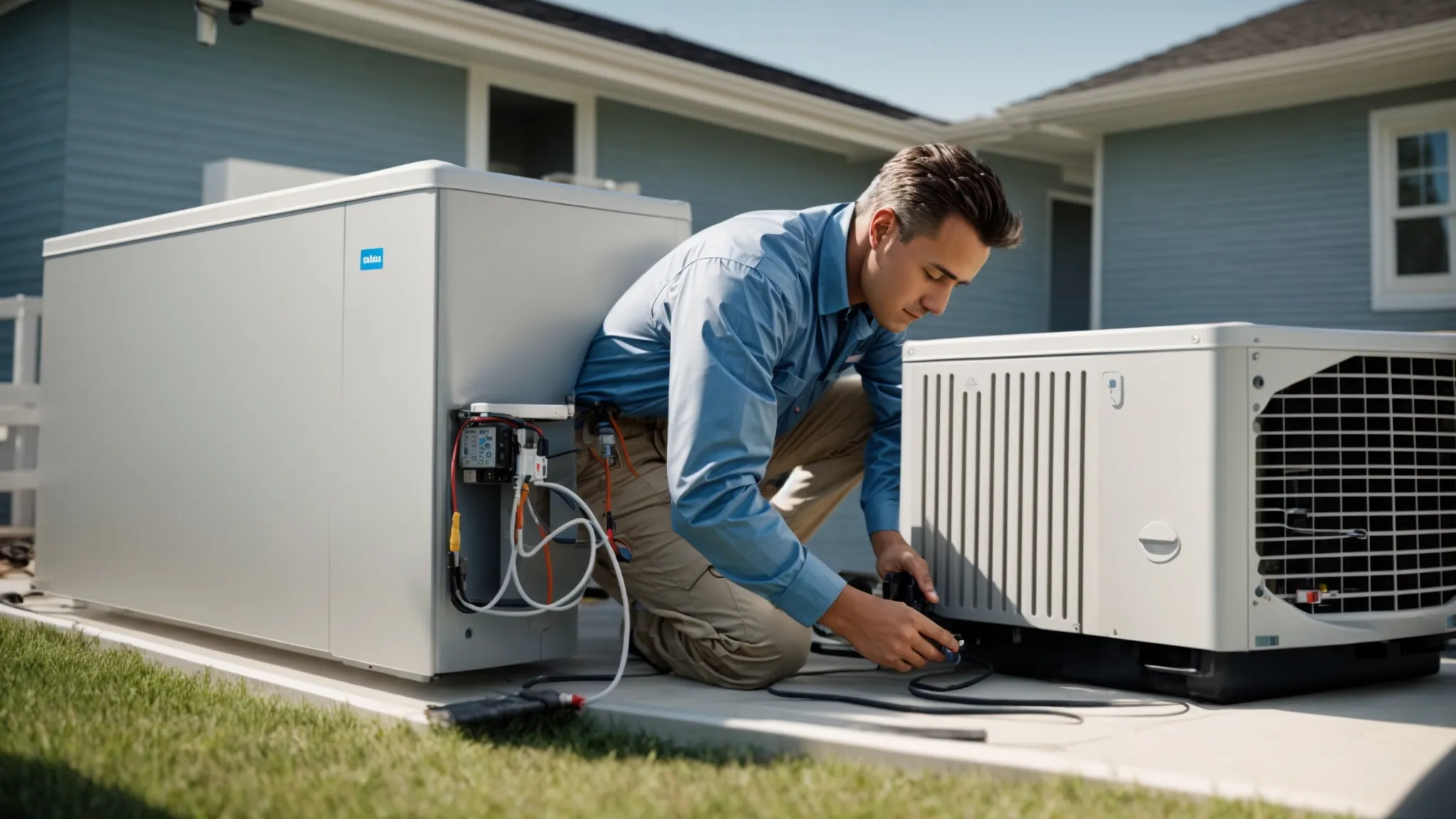
The installation process for central air conditioning is considerably more complex and requires professional handling. It involves extensive ductwork, an outdoor unit placement, and a comprehensive check of your home’s electrical system compatibility. In contrast, window units offer simplicity and convenience, as they can be installed by homeowners with basic tools and no specialized knowledge.
Maintenance is another facet where these two differ significantly. Central systems require regular professional servicing to ensure optimal performance and longevity. Window units, while still needing routine cleaning and care, can often be easily maintained by the homeowner, saving on service costs.
It’s crucial to factor in ongoing maintenance needs and associated costs. For central air systems, it might be wise to establish a maintenance schedule with a trusted HVAC professional. For window units, familiarize yourself with basic maintenance tasks to ensure your unit runs effectively.
Making the Right Choice for Your Home’s Comfort and Budget

Selecting the appropriate air conditioning system involves balancing personal comfort with financial realities. A central air conditioning system can represent a substantial investment with long-term rewards in terms of home value and consistent comfort, but it may not be necessary for everyone’s lifestyle or budgetary constraints.
Window units may offer a more immediate, budget-friendly solution for smaller spaces or renters. It is beneficial to analyze the frequency and longevity of your residency in your current home before committing to the larger investment of a central system.
Ultimately, consider consulting with a professional HVAC contractor to assess your individual situation and provide personalized advice. The right decision balances energy efficiency, ease of installation and maintenance, upfront costs, and long-term benefits for your comfort and well-being.
Ultimately, the debate of central air conditioning versus window units boils down to personal preference, the specifics of your living situation, and the long-term cost implications. By understanding the relative advantages of each and assessing your own needs and circumstances, you can choose the option that ensures your home remains a haven of comfort without breaking the bank.