

Inside the World of Celebrity Stylists: Roles, Trends, and Impact
Affiliate disclosure: This article may contain affiliate links. Recommendations are independent and editorially driven.
The world watches with bated breath as celebrities step onto the red carpet, grace magazine covers, or simply navigate their daily lives, often appearing effortlessly chic, avant-garde, or perfectly polished. But behind every dazzling ensemble and every carefully curated look stands a silent architect: the celebrity stylist. These sartorial strategists are the unsung heroes of Hollywood, wielding immense power to shape public perception, launch trends, and transform their clients into bona fide fashion icons. Far from being mere personal shoppers, celebrity stylists are visionary artists, meticulous planners, astute businesspeople, and often, close confidantes. Their work is a complex tapestry woven from creativity, industry knowledge, logistical wizardry, and profound psychological understanding.
Understanding how celebrity stylists work is to peel back the glamorous veneer of the entertainment industry and reveal a demanding, high-stakes profession that operates at the intersection of art, commerce, and media. From the initial concept and inspiration to the final, flawless execution, their process is an intricate dance requiring unparalleled dedication and a keen eye for detail. They are the conduits through which designers’ dreams meet celebrity aspirations, culminating in moments that define careers and captivate millions. Join us as we delve deep into the intricate, fascinating world of celebrity styling, exploring every facet of this influential role.
The Multidimensional Role: What Exactly Does a Celebrity Stylist Do?
At its core, a celebrity stylist’s job is to dress their client. However, this seemingly simple description barely scratches the surface of a role that encompasses far more than just picking out clothes. A celebrity stylist is a brand builder, an image consultant, a trend predictor, a project manager, and sometimes, a therapist. They are responsible for crafting a consistent, compelling visual identity for their clients across all public appearances, whether it’s a high-profile movie premiere, a casual street style moment, an intense press tour, or an intimate magazine spread.
Crafting an Image: Beyond Just Clothes
The first and most fundamental aspect of a stylist’s job is image consultation. This involves a deep dive into the celebrity’s personality, career trajectory, personal brand, and aspirations. Is the client an edgy musician, a sophisticated actor, a comedic powerhouse, or an emerging influencer? Each requires a distinct approach. The stylist must discern what message the celebrity wants to convey to the world and translate that into a cohesive fashion narrative. This isn’t about imposing a look but rather collaborating to evolve and refine an existing personal style or create an entirely new one that resonates authentically with the client and their audience.
For example, a stylist working with an actor transitioning from teen roles to more mature characters might slowly introduce more tailored, elegant pieces and sophisticated color palettes, moving away from youthful, trendy ensembles. Conversely, a musician looking to inject more rebellion into their brand might see their stylist sourcing avant-garde designers, vintage punk pieces, or custom-made, boundary-pushing outfits. Every choice, from the cut of a blazer to the choice of accessory, contributes to this larger narrative, shaping how the public perceives the star.
The Logistical Labyrinth: Sourcing, Fittings, and Returns
Once an image strategy is in place, the real logistical work begins. Stylists spend countless hours sourcing garments, shoes, and accessories from a vast network of designers, showrooms, PR agencies, and sometimes, private collectors. This involves:
- Pulling: Requesting specific items from designers or showrooms for consideration. This often means sending out extensive pull requests, detailing the client, the event, and the desired aesthetic.
- Showroom Visits: Physically visiting showrooms in major fashion capitals like New York, Los Angeles, Paris, and Milan to view new collections and select potential pieces.
- Digital Sourcing: Utilizing online platforms and direct communication with brands, especially for international collaborations or unique vintage finds.
- Custom Creations: Collaborating with designers for bespoke gowns or suits, which can take weeks or even months to produce, involving multiple fittings and iterations.
After sourcing, the items arrive at the stylist’s studio, often in an overwhelming volume of garment bags. Then come the fittings, where the client tries on multiple options, and the stylist makes crucial decisions based on fit, comfort, event appropriateness, and overall impact. Post-event, the stylist is responsible for the meticulous process of returning all loaned garments, which often involves careful dry cleaning, detailed inventory checks, and ensuring items are returned in pristine condition to avoid hefty fees or damaged relationships with brands. This cyclical process of pulling, fitting, and returning is the backbone of their daily operations.
The Journey to Becoming a Celebrity Stylist: From Aspiration to Achievement
The path to becoming a successful celebrity stylist is rarely linear and almost always demands an extraordinary blend of passion, perseverance, and practical experience. It’s a career built on a foundation of aesthetic intuition, tireless networking, and an unwavering dedication to the craft.
Education and Early Experience: Building the Foundation
While a formal fashion degree isn’t always a prerequisite, many successful stylists have backgrounds in fashion design, merchandising, art history, or communications. These educational paths provide a strong understanding of garment construction, fabric science, fashion history, and the broader cultural context of style. However, perhaps even more crucial than academic credentials is hands-on experience.
- Internships: The most common entry point into the styling world is through internships. Aspiring stylists often intern for established stylists, fashion magazines, or PR showrooms. These roles, though often unpaid and involving long hours, offer invaluable exposure to the industry’s inner workings. Interns learn about sourcing, organizing, assisting on shoots, and the sheer volume of logistical detail involved.
- Assistant Stylist Roles: After internships, many progress to becoming assistant stylists. This is where the real learning happens. Assistants are integral to every aspect of a styling project, from managing samples and preparing for fittings to liaising with brands and troubleshooting on set. They gain direct experience with client management, budgeting, and the fast-paced demands of high-stakes events. It’s a grueling but essential apprenticeship where one builds practical skills and critical industry relationships.
This early phase is characterized by constant learning, observation, and an eagerness to take on any task, no matter how mundane, to prove one’s commitment and capability.
Cultivating Connections: The Power of Networking
In an industry as relationship-driven as fashion, networking is paramount. Stylists must cultivate strong relationships with an extensive network of contacts, including:
- Designers and Brands: Direct relationships with designers and their PR teams are crucial for accessing exclusive collections, securing rare pieces, and even facilitating custom designs.
- Showrooms: These intermediaries represent multiple brands and are vital hubs for pulling samples.
- Photographers, Makeup Artists, Hair Stylists: Collaborating effectively with other creatives on set is essential for achieving a cohesive final look for editorials or campaigns.
- Agents and Publicists: These individuals represent celebrities and are often the gatekeepers, offering opportunities for stylists to connect with potential clients.
Attending fashion shows, industry events, and even casual meet-ups are all opportunities to forge these critical connections. A stylist’s reputation and network often dictate the caliber of clients and projects they can attract.
Building a Portfolio and Breaking In
As assistants gain experience, they begin to build their own portfolio, often by styling smaller projects, editorial shoots for independent magazines, or working with emerging talent. This portfolio is their calling card, showcasing their aesthetic vision, styling capabilities, and professional range. Breaking into celebrity styling specifically often involves a combination of:
- Referrals: A former mentor or colleague recommending them to a rising star.
- Strategic Outreach: Approaching publicists or managers of celebrities whose style they feel they could elevate.
- Demonstrating Vision: Having a clear, unique point of view that sets them apart in a crowded field.
The transition from assistant to lead stylist is a significant leap, requiring not only skill but also the confidence to manage a client’s entire public image and the business acumen to run their own styling enterprise.
The Stylist’s Toolkit: From Mood Boards to Masterpieces
A celebrity stylist’s success hinges on more than just good taste; it relies on a sophisticated toolkit of resources, creative processes, and an intimate knowledge of the fashion landscape. Their workflow is highly organized, yet flexible enough to adapt to the fast-paced and often unpredictable demands of their clients.
The Creative Process: Mood Boards and Conceptualization
Every styling project begins with a clear vision. This often materializes in the form of a mood board – a collection of images, textures, color palettes, and stylistic references that communicate the desired aesthetic. Mood boards might draw inspiration from:
- Fashion History: Iconic looks from different eras or designers.
- Art and Culture: Paintings, sculptures, films, music videos, or cultural movements.
- Client’s Persona: Existing elements of the celebrity’s brand, reinterpreted.
- Event Context: The theme of a particular award show, a movie premiere, or a magazine’s editorial direction.
This conceptual phase is crucial for aligning the stylist’s vision with the client’s expectations and ensuring all team members (hair, makeup, publicist) are on the same page. It’s where abstract ideas begin to take concrete shape, guiding the subsequent sourcing and selection process.
The Sourcing Arsenal: Showrooms, Archives, and Custom Creations
The ability to source exceptional garments is a stylist’s superpower. Their arsenal includes:
- Fashion Showrooms: These are the primary hubs where designers showcase their latest collections. Stylists regularly visit showrooms to view new pieces, request samples for pulls, and build relationships with brand representatives. Major cities like Los Angeles, New York, London, Paris, and Milan are home to hundreds of these vital spaces.
- Designer Direct: For high-profile events or specific custom requests, stylists work directly with designers’ ateliers. This is particularly common for red-carpet gowns, where a bespoke creation can take months from initial sketch to final fitting.
- Vintage and Archival Pieces: To create unique, one-of-a-kind looks, stylists often delve into vintage stores, specialized archives, or private collections. These pieces add a layer of history and individuality that can’t be replicated by new collections.
- Retail and E-commerce: For more accessible or specific items (e.g., a perfect basic, a particular shoe, or a last-minute accessory), stylists also utilize high-end retail boutiques and online luxury platforms.
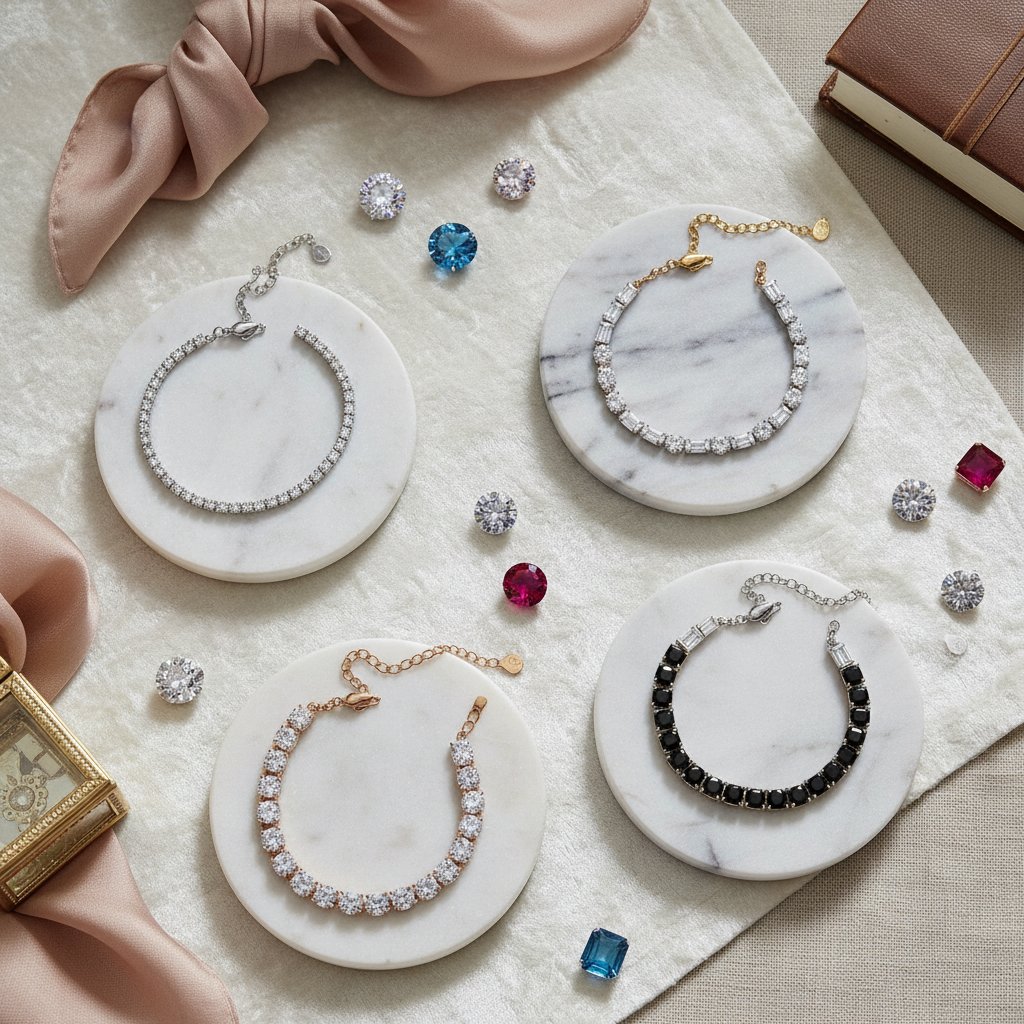
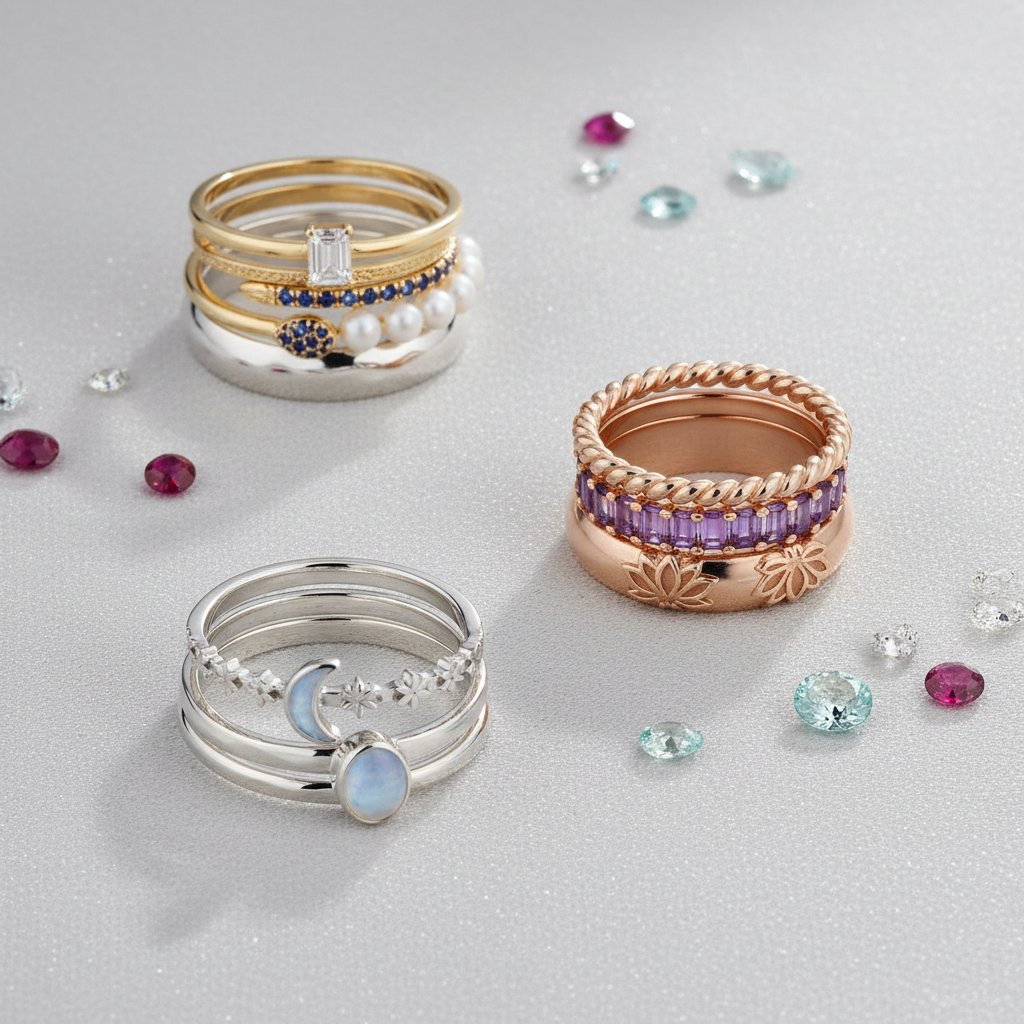
- Jewelry and Accessories Houses: Separate from clothing, stylists work closely with jewelry brands, shoe designers, and accessory labels to complete looks, often securing pieces worth hundreds of thousands or even millions of dollars for a single red-carpet appearance.
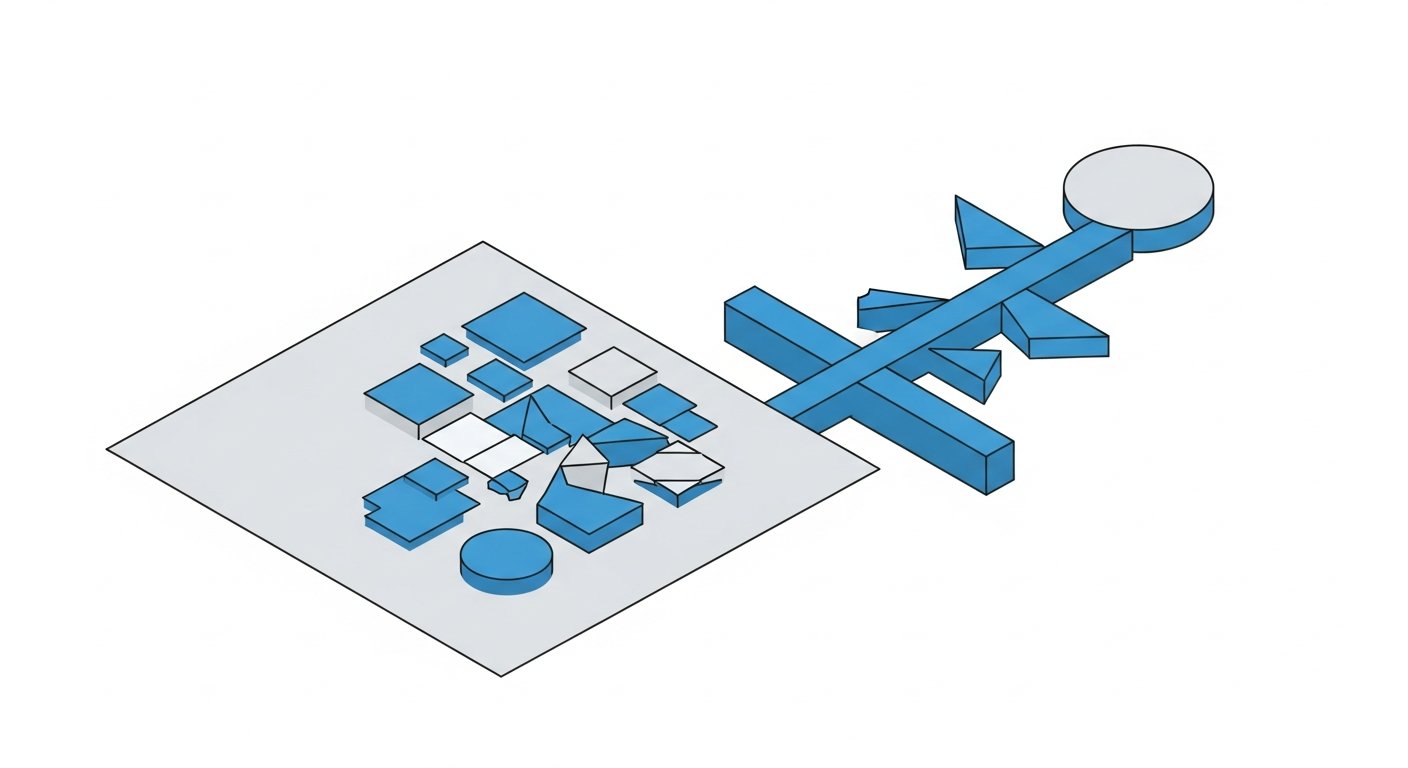
[INLINE IMAGE 1: place after second H2 | alt=”how celebrity stylists work concept illustration”]
The Power of Relationships and Reputation
Access to this vast array of resources is largely dependent on a stylist’s relationships and reputation. Brands lend their most coveted pieces to stylists they trust, knowing their garments will be handled with care and showcased prominently on a high-profile client. A stylist’s track record of successful placements, professional conduct, and the ability to generate positive media buzz are invaluable currencies in this industry. A strong reputation can open doors to exclusive previews, custom collaborations, and priority access to limited-edition pieces, making it an indispensable part of their toolkit.
The Red Carpet Ritual: A Deep Dive into Event Styling
The red carpet is the ultimate stage for a celebrity stylist to showcase their artistry. It’s a high-pressure environment where every detail is scrutinized by millions, and a single look can launch a career or ignite a global fashion conversation. The process of preparing a celebrity for a major award show or premiere is an intricate, months-long ritual of planning, problem-solving, and flawless execution.
Months Out: Strategic Planning and Vision Casting
The red carpet journey begins long before the actual event, often several months in advance. The stylist first connects with the celebrity and their publicist to discuss the event’s importance, the desired message, and any specific goals. Is the client nominated for an award? Are they presenting? Is it a major film premiere? This initial consultation establishes the overall strategic direction for the look. Based on this, the stylist develops concept boards, researching current trends, fashion history, and potential designers that align with the celebrity’s persona and the event’s prestige.
During this phase, stylists start reaching out to top-tier designers, inquiring about their upcoming collections, potential custom creations, or significant archival pieces that might be available. Securing a bespoke gown from a renowned couture house, for example, requires considerable lead time for design consultations, fabric sourcing, and multiple fittings.
Weeks Out: Sourcing, Pulling, and Initial Fittings
As the event draws closer, the pace intensifies. The stylist and their team begin the exhaustive process of “pulling” samples. This involves visiting numerous showrooms and studios, requesting a vast array of dresses, suits, shoes, and accessories from various brands. It’s not uncommon for a stylist to pull hundreds of options for a single major event, knowing only one will make the final cut.
Initial fittings are then scheduled with the celebrity. This can be a marathon session, with the stylist, assistant stylists, and often the client’s glam team (hair and makeup artists) present. During these fittings, the stylist assesses how garments look on the client, how they move, and their comfort level. Crucially, they also consider how the outfit will photograph from all angles under flashing lights. Options are narrowed down, and potential alterations are identified. This is also when discussions about hair, makeup, and jewelry begin in earnest, ensuring a holistic vision.
Days Out: Alterations, Final Fittings, and Accessory Selection
With the primary garment selected, it goes to the tailor for precise alterations. This is a critical step, as a perfect fit is paramount. Celebrity stylists often work with highly skilled seamstresses who can work miracles under tight deadlines. Meanwhile, the stylist finalizes the accessories – selecting the perfect shoes, clutch, and, most importantly, the jewelry. For high-value events, jewelry pieces can be worth millions of dollars and require stringent security protocols. Brands often send dedicated representatives to oversee the lending and return of these precious items.
A final fitting is then conducted a day or two before the event to ensure everything is perfect. This is the last chance for minor adjustments, ensuring the celebrity feels confident and comfortable. The stylist also meticulously plans the “dress-up” schedule for the day of the event, coordinating with the client’s publicist and glam squad.
The Big Day: Flawless Execution and Crisis Management
On the day of the red carpet, the stylist is often the first to arrive at the celebrity’s location and the last to leave. Their responsibilities include:
- Steaming and Pressing: Ensuring every garment is pristine and wrinkle-free.
- Lay-out: Arranging all elements of the look – dress, shoes, jewelry, bag – in a visually appealing and organized manner for the client.
- Assisting with Dressing: Helping the celebrity into the intricate garments, making sure everything is aligned and secure.
- Last-Minute Adjustments: Taping, pinning, and making any necessary on-the-spot alterations to ensure a flawless appearance.
- Emergency Kit: Always having a “red carpet emergency kit” on hand, filled with items like double-sided tape, safety pins, sewing kits, stain removers, lint rollers, and super glue for any unforeseen wardrobe malfunctions.
- Final Check: Before the celebrity steps out, the stylist performs a final, head-to-toe check, ensuring every detail is perfect, from the hang of a sleeve to the placement of a necklace.
Even after the celebrity leaves for the red carpet, the stylist often remains on standby, sometimes accompanying them to the event or to an after-party, ready to spring into action if a quick change or repair is needed. The red carpet ritual is an intense, high-stakes ballet of precision and creativity, culminating in those iconic moments etched into pop culture history.
Beyond the Glare: Editorial and Personal Branding Styling
While the red carpet captures the most public attention, celebrity stylists also undertake a diverse range of projects that demand different skills, timelines, and creative approaches. Editorial styling for magazines and personal branding for daily life are two significant areas where their expertise shines, albeit with different objectives and methodologies.
Editorial Styling: Crafting Narratives for Print and Digital
Editorial styling is arguably where a stylist’s pure creative vision can truly flourish. When working on a magazine cover, a fashion spread, or a digital campaign, the goal isn’t necessarily to dress a celebrity for a real-world event but to tell a story, evoke a mood, or push artistic boundaries. This often involves:
- Theme-Driven Concepts: The stylist works closely with the magazine editor, photographer, and creative director to develop a conceptual theme for the shoot. This theme dictates the selection of garments, props, and overall aesthetic.
- Experimental Fashion: Editorial spreads are opportunities to showcase avant-garde designs, emerging talent, or incredibly high fashion pieces that might be too daring for a red carpet. It’s a space for artistic expression and trend forecasting.
- Posing and Movement: Unlike a red-carpet where the celebrity is walking, editorial styling involves working closely with the photographer to ensure the clothes look dynamic and impactful in still images, often requiring intricate posing or movement to capture the garment’s essence.
- Product Placement and Brand Messaging: While creative, editorials also serve commercial purposes. Stylists expertly weave in specific brands or products requested by the magazine’s advertisers, ensuring they are presented in a fashionable and organic way.
The timeline for editorial styling can vary greatly, from a few days for a quick digital shoot to several weeks or even months for a major print cover story, involving extensive location scouting, prop sourcing, and a large production team. The stylist’s role is to bring the fashion elements of the overarching creative vision to life, working in harmony with the entire production.
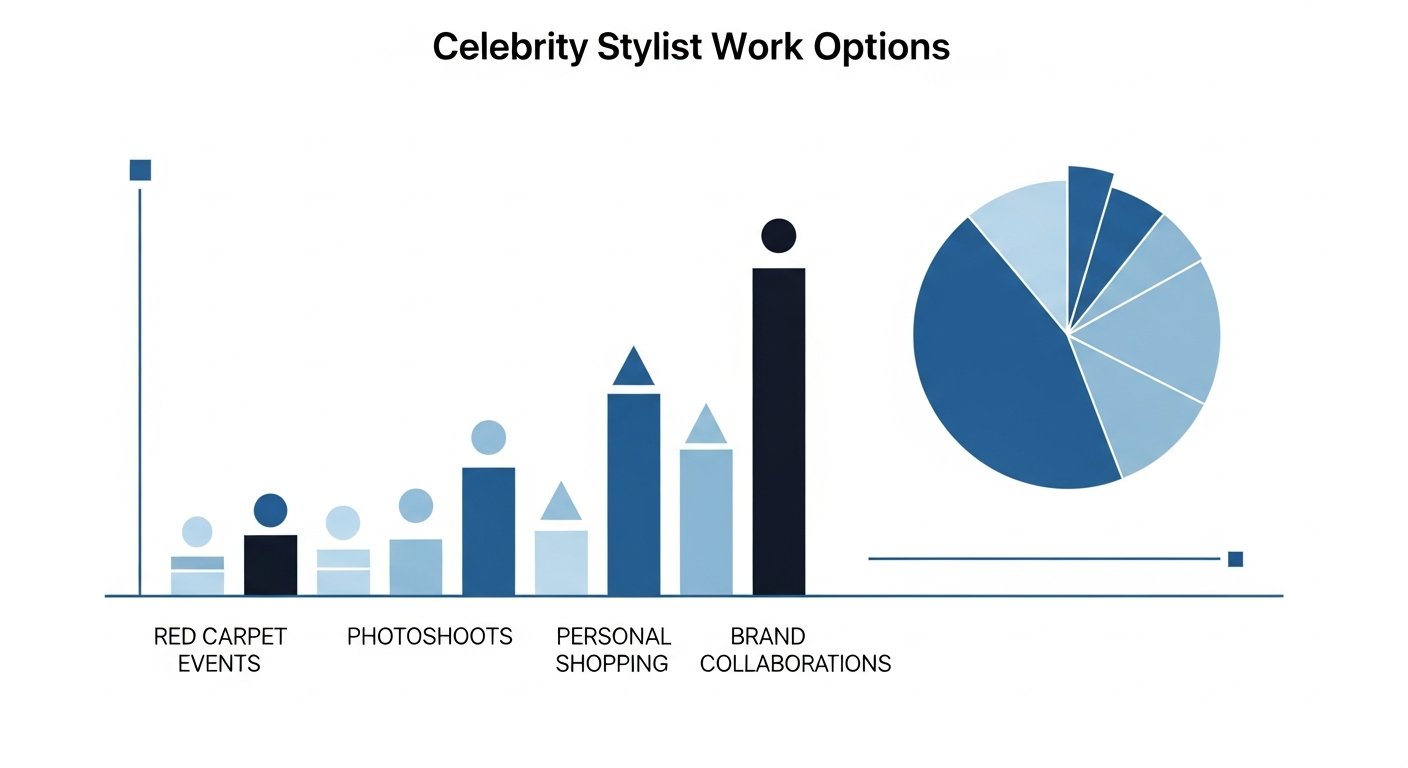
[INLINE IMAGE 2: place after fourth H2 | alt=”how celebrity stylists work comparison illustration”]
Personal Branding and Daily Wardrobe Management
Beyond the high-glamour events, many celebrities rely on stylists for their everyday personal branding and wardrobe management. This aspect of the job is less about statement-making and more about cultivating a consistent, aspirational, and appropriate image for casual appearances, interviews, travel, and personal outings. This can involve:
- Wardrobe Audits: Going through a client’s existing closet, identifying key pieces, eliminating outdated items, and pinpointing gaps.
- Shopping Trips (or “Personal Shopping”): Accompanying clients on shopping excursions or independently sourcing items that align with their personal brand and lifestyle. This can include anything from designer staples to comfortable athleisure.
- Travel Wardrobes: Curating specific outfits and packing lists for clients traveling for work or leisure, considering destination, climate, and planned activities.
- Press Tour Capsule Wardrobes: Developing a cohesive collection of interchangeable outfits for a celebrity’s multi-city press tour, ensuring they always look fresh and on-brand without over-packing.
- Event-Specific Dress Codes: Guiding clients on appropriate attire for various non-red-carpet events, such as private dinners, charity galas, or casual industry gatherings.
This ongoing personal styling builds a deep relationship of trust and understanding between the stylist and the client. It’s about creating a functional, stylish wardrobe that reflects the celebrity’s authentic self and supports their everyday life, ensuring they always present a polished image, even when off-duty.
Navigating Client Relationships: Building Trust and Personal Brands
The relationship between a celebrity and their stylist is one of the most intimate and influential in the entertainment industry. It extends far beyond sartorial advice, delving into personal preferences, career goals, and even emotional support. Building and maintaining this trust is paramount to a stylist’s success.
Understanding the Client’s Vision and Personality
A great stylist isn’t just a tastemaker; they are an expert listener and an intuitive observer. The first step in any successful client relationship is to deeply understand the celebrity’s individual vision for their public image. This involves:
- Active Listening: Paying close attention to the client’s likes, dislikes, comfort levels, and aspirations, both stated and unstated.
- Observing Lifestyle: Understanding their daily routines, travel habits, and the types of events they typically attend.
- Psychological Insight: Discerning how a client feels about certain trends, colors, or silhouettes, and recognizing their body image concerns or confidence boosters.
The goal is to enhance the celebrity’s authentic self, not to impose a style that feels unnatural. The most successful stylists are those who can tap into a client’s core identity and elevate it through fashion, making them feel empowered and confident in every outfit.
The Role of Confidentiality and Discretion
Given the highly personal nature of their work, celebrity stylists are privy to many sensitive details about their clients – from body measurements and personal preferences to career anxieties and relationship statuses. Therefore, absolute confidentiality and discretion are non-negotiable. Breaking a client’s trust, even inadvertently, can instantly ruin a career. Stylists often sign non-disclosure agreements (NDAs) and are expected to maintain a professional silence about their clients’ private lives.
This discretion extends to social media, where stylists must be mindful of what they share, ensuring they don’t leak information or images before a celebrity’s official reveal. The ability to be a discreet and trustworthy confidante is as important as having impeccable fashion sense.
Collaboration with the Full Glam Team and Publicists
A celebrity’s public appearance is a team effort. The stylist works as a key player alongside the client’s entire “glam squad” (hair stylists, makeup artists) and their publicist. This collaboration is crucial for a cohesive final look and effective messaging:
- Hair and Makeup Synergy: The stylist collaborates with hair and makeup artists to ensure their choices complement the chosen outfit. A bold dress might call for minimalist hair and makeup, while a simpler outfit might allow for more dramatic beauty looks.
- Publicist Alignment: The publicist is vital for communicating the client’s strategic goals and coordinating media appearances. The stylist works with the publicist to ensure the fashion choices align with any specific narratives or campaigns being promoted, and that the look will generate positive media attention. For instance, if a celebrity is promoting a film with a particular theme, the stylist might subtly incorporate elements that nod to that theme.
Effective communication and mutual respect among team members ensure that the celebrity presents a unified and impactful image to the world. A stylist’s ability to be a team player, rather than just a sole creative, is a hallmark of professional excellence in this collaborative industry.
The Business of Styling: Fees, Contracts, and Industry Dynamics
While the glamour is undeniable, celebrity styling is a demanding business operation. Understanding the financial aspects, contractual agreements, and the broader industry dynamics is crucial for both stylists and their clients.
Fee Structures and Compensation Models
Celebrity stylists employ various compensation models, depending on the client’s profile, the scope of work, and the stylist’s experience level:
- Day Rates: For one-off events, editorials, or short-term projects, stylists often charge a daily rate. This can range from a few hundred dollars for an assistant to several thousand dollars for a top-tier stylist with a long client list.
- Retainer Fees: For ongoing relationships with high-profile clients, stylists typically work on a monthly or annual retainer. This covers regular services like wardrobe management, press tour styling, and general image consulting, ensuring the stylist’s consistent availability.
- Project Fees: For larger, more complex projects like a multi-city press tour, a custom award show gown, or a complete image overhaul, a flat project fee might be negotiated, covering all aspects from conceptualization to execution.
- Usage Fees (Less Common for Celebs): In some commercial styling contexts, stylists might receive a usage fee for their images in advertising, but this is less common for pure celebrity styling where the focus is on client image.
It’s important to note that a significant portion of a stylist’s income also comes from “kit fees” (to cover the cost of their styling supplies like tape, pins, and steamers) and expenses reimbursements (travel, shipping, tailoring, etc.). Stylists rarely “buy” the clothes they use for red carpet or editorial work; garments are almost always loaned by brands in exchange for exposure.
Contracts and Agreements: Protecting Both Parties
Professional celebrity styling relationships are typically formalized with contracts. These agreements outline the scope of services, compensation, payment schedules, confidentiality clauses, and any specific deliverables or expectations. Key elements often include:
- Term of Agreement: Duration of the styling relationship.
- Services Provided: Detailed list of what the stylist will deliver (e.g., red carpet styling, daily wardrobe, editorial shoots).
- Compensation: Clear breakdown of fees, expenses, and payment terms.
- Confidentiality and Non-Disclosure: Clauses protecting sensitive client information.
- Image Rights: Agreements on how the stylist can use images of their work (e.g., for portfolio, social media).
- Cancellation Policies: Outlining terms for termination by either party.
These contracts protect both the stylist’s business interests and the celebrity’s privacy and image. For major clients, legal teams from both sides will review and negotiate these agreements.
Stylist Agencies and Representation
Many top celebrity stylists are represented by agencies specializing in talent management for creative professionals. These agencies handle the business side of a stylist’s career, including:
- Client Acquisition: Connecting stylists with new celebrity clients, magazines, and brands.
- Contract Negotiation: Managing financial and legal aspects of agreements.
- Marketing and PR: Promoting the stylist’s work and brand within the industry.
- Administrative Support: Handling invoicing, scheduling, and other logistical tasks.
Being represented by a reputable agency can significantly elevate a stylist’s career, providing access to larger projects and more lucrative opportunities, allowing the stylist to focus more on the creative aspects of their job. Understanding how celebrity management agencies operate can offer further insight into this intricate ecosystem.
Challenges and Rewards: The Highs and Lows of the Job
The life of a celebrity stylist, while undeniably glamorous at times, is also fraught with immense pressure, relentless deadlines, and constant travel. Yet, for those who thrive in this demanding environment, the rewards – both personal and professional – are incredibly fulfilling.
The Intense Pressures and Demands
The challenges faced by celebrity stylists are multifaceted and can often be intense:
- Unpredictable Schedules: Celebrity schedules are notoriously chaotic. Last-minute event invitations, sudden project announcements, and unexpected travel plans mean stylists must be incredibly flexible and often work odd hours, including nights and weekends.
- Tight Deadlines: The fashion and entertainment industries move at warp speed. Stylists frequently operate under extremely tight deadlines, sometimes needing to pull together a major red-carpet look in less than 24 hours.
- Managing Expectations: Balancing a client’s often unrealistic expectations with the realities of what’s available or logistically possible requires diplomacy and strong problem-solving skills.
- Physical and Emotional Toll: The job involves significant physical labor (hauling garment bags, long hours on set) and emotional labor (managing client anxieties, navigating industry politics). The constant pressure to perform and innovate can lead to burnout.
- Logistical Nightmares: Lost luggage with crucial garments, delayed shipments, last-minute tailor emergencies, or a chosen outfit being suddenly unavailable are all common occurrences that require quick thinking and extensive contingency planning.
A stylist must be a master of crisis management, always having a Plan B (and C and D) up their sleeve to ensure the client always looks impeccable, no matter what curveballs are thrown their way.
The Creative Satisfaction and Impact
Despite the challenges, the rewards of being a celebrity stylist are profoundly motivating:
- Creative Expression: For fashion lovers, the opportunity to continually conceptualize, create, and execute stunning looks for a global audience is an unparalleled form of artistic expression. Seeing a vision come to life on a red carpet or in a magazine is incredibly satisfying.
- Shaping Culture: Celebrity stylists are tastemakers. Their work directly influences fashion trends, launches designers into the mainstream, and shapes public discourse around style. They have the power to make fashion accessible, aspirational, and culturally relevant.
- Building Relationships: Forming deep, collaborative relationships with inspiring clients, talented designers, and fellow creatives is a significant perk. These connections often evolve into genuine friendships and mentorships.
- Travel and Unique Experiences: The job often involves travel to fashion weeks, international photo shoots, and glamorous events, offering unique experiences and exposure to diverse cultures.
- Direct Impact on Client Success: A well-styled celebrity can boost their confidence, enhance their public image, and significantly contribute to their career success. Playing a direct role in that transformation is incredibly rewarding.
The gratification of seeing a client shine, knowing that your meticulous planning and creative vision contributed to that moment, is often cited as the ultimate reward for navigating the highs and lows of this dynamic profession. It’s a testament to the power of personal style and its undeniable influence on how we perceive and engage with the world’s most famous faces.
Emerging Trends and the Future of Celebrity Styling
Like the fashion industry it serves, celebrity styling is in a constant state of evolution. Emerging trends, technological advancements, and shifting societal values are continually reshaping how celebrity stylists work and what their roles entail.
Sustainability and Ethical Fashion
One of the most significant shifts in the fashion landscape is the increasing emphasis on sustainability and ethical practices. Celebrities, keenly aware of their influence, are increasingly demanding more eco-conscious choices, and stylists are adapting their sourcing strategies:
- Vintage and Archival Reliance: Re-wearing iconic vintage pieces or repurposing existing garments is becoming a powerful statement, aligning with circular fashion principles. Stylists are diving deeper into rental services and private archives.
- Sustainable Brands: A growing number of designers are prioritizing sustainable materials, ethical production, and transparent supply chains. Stylists are actively seeking out and championing these brands.
- Rethinking Fast Fashion: While celebrity styling has traditionally leaned towards new and exclusive, there’s a growing movement to distance from fast fashion and promote longevity and quality.
Stylists are becoming educators for their clients, guiding them towards choices that not only look good but also align with their values and contribute positively to the planet.
The Rise of Digital and Social Media Influence
Social media has dramatically altered the celebrity-stylist dynamic. Every outfit is now instantly analyzed, critiqued, and celebrated by millions, often in real-time. This has several implications:
- Instant Feedback Loop: Stylists receive immediate public feedback, both positive and negative, on their work, which can influence future choices.
- Direct Brand Relationships: Social media allows stylists and celebrities to tag designers directly, providing immediate credit and increasing brand exposure. This has made brands more eager to lend coveted pieces.
- Personal Branding for Stylists: Many stylists have become mini-celebrities themselves, using platforms like Instagram to showcase their work, share behind-the-scenes glimpses, and build their own personal brands. This visibility can attract new clients and collaborations.
- The “Street Style” Phenomenon: The emphasis has broadened beyond just red carpets. Everyday “street style” looks captured by paparazzi are now just as important for maintaining a celebrity’s image, requiring stylists to curate a broader range of casual yet chic ensembles.
The digital age has made the stylist’s job even more public and demanding, requiring an understanding of digital strategy alongside fashion expertise.
Technology and Virtual Styling
Technology is also poised to transform the styling process:
- Virtual Fittings: Advancements in 3D scanning and augmented reality could allow for virtual fittings, reducing the need for physical travel and making the process more efficient.
- AI-Powered Recommendations: AI might assist stylists in identifying trends, analyzing client preferences, and even suggesting garments based on vast databases of fashion history and current collections.
- Digital Showrooms: Virtual showrooms and digital fashion presentations are becoming more common, allowing stylists to browse collections remotely and streamline the pulling process.
While the human touch and discerning eye of a stylist will always be indispensable, technology promises to enhance efficiency, broaden access to resources, and open new avenues for creative expression within the industry. The future of celebrity styling will likely see a blend of timeless artistry with innovative technological integration.
The Unsung Heroes: Assistant Stylists and Their Crucial Role
Behind every celebrated celebrity stylist and every flawless red-carpet moment is a dedicated, often unseen, army of assistant stylists. These individuals are the backbone of the styling operation, performing tasks that are essential for the smooth execution of every project. Their role is physically demanding, logistically complex, and serves as the primary training ground for the next generation of industry leaders.
The Daily Grind: Responsibilities of an Assistant Stylist
The job of an assistant stylist is far from glamorous, but it is unequivocally critical. Their responsibilities are vast and varied, touching every stage of the styling process:
- Sample Management: This is a colossal task. Assistants are responsible for tracking hundreds, sometimes thousands, of garments, shoes, and accessories. This includes logging items in and out, organizing them meticulously by event, client, or type, and ensuring they are in pristine condition.
- Pulling and Returning: They spend countless hours in showrooms, physically pulling requested items and meticulously returning them post-event, often dealing with strict return policies and deadlines. This involves navigating traffic, parking, and carrying heavy garment bags.
- Research and Sourcing: Assistants conduct extensive research for specific items, trends, or designers as requested by the lead stylist. They might scour online retailers, vintage stores, or contact brands directly to locate a particular piece.
- Prep Work for Fittings and Shoots: Before a fitting or a shoot, assistants ensure all chosen garments are steamed, pressed, and perfectly organized. They lay out accessories, prepare emergency kits, and often create detailed checklists.
- On-Set Support: During fittings, shoots, or on the day of an event, assistants are constantly on the move. They help with dressing, make last-minute adjustments, run errands, keep track of all items, and anticipate the lead stylist’s needs.
- Administrative Tasks: Managing schedules, coordinating with PR agencies, handling invoices, and maintaining databases of contacts and inventory are also part of their daily routine.
The work requires extreme organization, attention to detail, physical stamina, and an unwavering positive attitude, even under pressure.
Learning on the Job: An Invaluable Apprenticeship
While demanding, the assistant stylist role is an invaluable apprenticeship. It’s where aspiring stylists gain practical, real-world experience that no fashion school can fully replicate. Through this hands-on work, they learn:
- Industry Etiquette: How to interact professionally with designers, clients, and other team members.
- Logistical Prowess: The intricate dance of sample management, scheduling, and problem-solving under pressure.
- Styling Techniques: Observing a lead stylist’s creative process, understanding how to dress various body types, and mastering the art of accessorizing.
- Networking: Building their own contacts within showrooms, PR agencies, and with other assistants, which will be crucial for their future careers.
- Resilience: Developing the mental fortitude to handle the fast pace, long hours, and unexpected challenges of the industry.
Many of today’s most renowned celebrity stylists
Inside the World of Celebrity Stylists: Roles, Trends, and Impact
Affiliate disclosure: This article may contain affiliate links. Recommendations are independent and editorially driven.
The world watches with bated breath as celebrities step onto the red carpet, grace magazine covers, or simply navigate their daily lives, often appearing effortlessly chic, avant-garde, or perfectly polished. But behind every dazzling ensemble and every carefully curated look stands a silent architect: the celebrity stylist. These sartorial strategists are the unsung heroes of Hollywood, wielding immense power to shape public perception, launch trends, and transform their clients into bona fide fashion icons. Far from being mere personal shoppers, celebrity stylists are visionary artists, meticulous planners, astute businesspeople, and often, close confidantes. Their work is a complex tapestry woven from creativity, industry knowledge, logistical wizardry, and profound psychological understanding.
Understanding how celebrity stylists work is to peel back the glamorous veneer of the entertainment industry and reveal a demanding, high-stakes profession that operates at the intersection of art, commerce, and media. From the initial concept and inspiration to the final, flawless execution, their process is an intricate dance requiring unparalleled dedication and a keen eye for detail. They are the conduits through which designers’ dreams meet celebrity aspirations, culminating in moments that define careers and captivate millions. Join us as we delve deep into the intricate, fascinating world of celebrity styling, exploring every facet of this influential role.
The Multidimensional Role: What Exactly Does a Celebrity Stylist Do?
At its core, a celebrity stylist’s job is to dress their client. However, this seemingly simple description barely scratches the surface of a role that encompasses far more than just picking out clothes. A celebrity stylist is a brand builder, an image consultant, a trend predictor, a project manager, and sometimes, a therapist. They are responsible for crafting a consistent, compelling visual identity for their clients across all public appearances, whether it’s a high-profile movie premiere, a casual street style moment, an intense press tour, or an intimate magazine spread.
Crafting an Image: Beyond Just Clothes
The first and most fundamental aspect of a stylist’s job is image consultation. This involves a deep dive into the celebrity’s personality, career trajectory, personal brand, and aspirations. Is the client an edgy musician, a sophisticated actor, a comedic powerhouse, or an emerging influencer? Each requires a distinct approach. The stylist must discern what message the celebrity wants to convey to the world and translate that into a cohesive fashion narrative. This isn’t about imposing a look but rather collaborating to evolve and refine an existing personal style or create an entirely new one that resonates authentically with the client and their audience.
For example, a stylist working with an actor transitioning from teen roles to more mature characters might slowly introduce more tailored, elegant pieces and sophisticated color palettes, moving away from youthful, trendy ensembles. Conversely, a musician looking to inject more rebellion into their brand might see their stylist sourcing avant-garde designers, vintage punk pieces, or custom-made, boundary-pushing outfits. Every choice, from the cut of a blazer to the choice of accessory, contributes to this larger narrative, shaping how the public perceives the star.
The Logistical Labyrinth: Sourcing, Fittings, and Returns
Once an image strategy is in place, the real logistical work begins. Stylists spend countless hours sourcing garments, shoes, and accessories from a vast network of designers, showrooms, PR agencies, and sometimes, private collectors. This involves:
- Pulling: Requesting specific items from designers or showrooms for consideration. This often means sending out extensive pull requests, detailing the client, the event, and the desired aesthetic.
- Showroom Visits: Physically visiting showrooms in major fashion capitals like New York, Los Angeles, Paris, and Milan to view new collections and select potential pieces.
- Digital Sourcing: Utilizing online platforms and direct communication with brands, especially for international collaborations or unique vintage finds.
- Custom Creations: Collaborating with designers for bespoke gowns or suits, which can take weeks or even months to produce, involving multiple fittings and iterations.
After sourcing, the items arrive at the stylist’s studio, often in an overwhelming volume of garment bags. Then come the fittings, where the client tries on multiple options, and the stylist makes crucial decisions based on fit, comfort, event appropriateness, and overall impact. Post-event, the stylist is responsible for the meticulous process of returning all loaned garments, which often involves careful dry cleaning, detailed inventory checks, and ensuring items are returned in pristine condition to avoid hefty fees or damaged relationships with brands. This cyclical process of pulling, fitting, and returning is the backbone of their daily operations.
The Journey to Becoming a Celebrity Stylist: From Aspiration to Achievement
The path to becoming a successful celebrity stylist is rarely linear and almost always demands an extraordinary blend of passion, perseverance, and practical experience. It’s a career built on a foundation of aesthetic intuition, tireless networking, and an unwavering dedication to the craft.
Education and Early Experience: Building the Foundation
While a formal fashion degree isn’t always a prerequisite, many successful stylists have backgrounds in fashion design, merchandising, art history, or communications. These educational paths provide a strong understanding of garment construction, fabric science, fashion history, and the broader cultural context of style. However, perhaps even more crucial than academic credentials is hands-on experience.
- Internships: The most common entry point into the styling world is through internships. Aspiring stylists often intern for established stylists, fashion magazines, or PR showrooms. These roles, though often unpaid and involving long hours, offer invaluable exposure to the industry’s inner workings. Interns learn about sourcing, organizing, assisting on shoots, and the sheer volume of logistical detail involved.
- Assistant Stylist Roles: After internships, many progress to becoming assistant stylists. This is where the real learning happens. Assistants are integral to every aspect of a styling project, from managing samples and preparing for fittings to liaising with brands and troubleshooting on set. They gain direct experience with client management, budgeting, and the fast-paced demands of high-stakes events. It’s a grueling but essential apprenticeship where one builds practical skills and critical industry relationships.
This early phase is characterized by constant learning, observation, and an eagerness to take on any task, no matter how mundane, to prove one’s commitment and capability.
Cultivating Connections: The Power of Networking
In an industry as relationship-driven as fashion, networking is paramount. Stylists must cultivate strong relationships with an extensive network of contacts, including:
- Designers and Brands: Direct relationships with designers and their PR teams are crucial for accessing exclusive collections, securing rare pieces, and even facilitating custom designs.
- Showrooms: These intermediaries represent multiple brands and are vital hubs for pulling samples.
- Photographers, Makeup Artists, Hair Stylists: Collaborating effectively with other creatives on set is essential for achieving a cohesive final look for editorials or campaigns.
- Agents and Publicists: These individuals represent celebrities and are often the gatekeepers, offering opportunities for stylists to connect with potential clients.
Attending fashion shows, industry events, and even casual meet-ups are all opportunities to forge these critical connections. A stylist’s reputation and network often dictate the caliber of clients and projects they can attract.
Building a Portfolio and Breaking In
As assistants gain experience, they begin to build their own portfolio, often by styling smaller projects, editorial shoots for independent magazines, or working with emerging talent. This portfolio is their calling card, showcasing their aesthetic vision, styling capabilities, and professional range. Breaking into celebrity styling specifically often involves a combination of:
- Referrals: A former mentor or colleague recommending them to a rising star.
- Strategic Outreach: Approaching publicists or managers of celebrities whose style they feel they could elevate.
- Demonstrating Vision: Having a clear, unique point of view that sets them apart in a crowded field.
The transition from assistant to lead stylist is a significant leap, requiring not only skill but also the confidence to manage a client’s entire public image and the business acumen to run their own styling enterprise.
The Stylist’s Toolkit: From Mood Boards to Masterpieces
A celebrity stylist’s success hinges on more than just good taste; it relies on a sophisticated toolkit of resources, creative processes, and an intimate knowledge of the fashion landscape. Their workflow is highly organized, yet flexible enough to adapt to the fast-paced and often unpredictable demands of their clients.
The Creative Process: Mood Boards and Conceptualization
Every styling project begins with a clear vision. This often materializes in the form of a mood board – a collection of images, textures, color palettes, and stylistic references that communicate the desired aesthetic. Mood boards might draw inspiration from:
- Fashion History: Iconic looks from different eras or designers.
- Art and Culture: Paintings, sculptures, films, music videos, or cultural movements.
- Client’s Persona: Existing elements of the celebrity’s brand, reinterpreted.
- Event Context: The theme of a particular award show, a movie premiere, or a magazine’s editorial direction.
This conceptual phase is crucial for aligning the stylist’s vision with the client’s expectations and ensuring all team members (hair, makeup, publicist) are on the same page. It’s where abstract ideas begin to take concrete shape, guiding the subsequent sourcing and selection process.
The Sourcing Arsenal: Showrooms, Archives, and Custom Creations
The ability to source exceptional garments is a stylist’s superpower. Their arsenal includes:
- Fashion Showrooms: These are the primary hubs where designers showcase their latest collections. Stylists regularly visit showrooms to view new pieces, request samples for pulls, and build relationships with brand representatives. Major cities like Los Angeles, New York, London, Paris, and Milan are home to hundreds of these vital spaces.
- Designer Direct: For high-profile events or specific custom requests, stylists work directly with designers’ ateliers. This is particularly common for red-carpet gowns, where a bespoke creation can take months from initial sketch to final fitting.
- Vintage and Archival Pieces: To create unique, one-of-a-kind looks, stylists often delve into vintage stores, specialized archives, or private collections. These pieces add a layer of history and individuality that can’t be replicated by new collections.
- Retail and E-commerce: For more accessible or specific items (e.g., a perfect basic, a particular shoe, or a last-minute accessory), stylists also utilize high-end retail boutiques and online luxury platforms.
- Jewelry and Accessories Houses: Separate from clothing, stylists work closely with jewelry brands, shoe designers, and accessory labels to complete looks, often securing pieces worth hundreds of thousands or even millions of dollars for a single red-carpet appearance.
[INLINE IMAGE 1: place after second H2 | alt=”how celebrity stylists work concept illustration”]
The Power of Relationships and Reputation
Access to this vast array of resources is largely dependent on a stylist’s relationships and reputation. Brands lend their most coveted pieces to stylists they trust, knowing their garments will be handled with care and showcased prominently on a high-profile client. A stylist’s track record of successful placements, professional conduct, and the ability to generate positive media buzz are invaluable currencies in this industry. A strong reputation can open doors to exclusive previews, custom collaborations, and priority access to limited-edition pieces, making it an indispensable part of their toolkit.
The Red Carpet Ritual: A Deep Dive into Event Styling
The red carpet is the ultimate stage for a celebrity stylist to showcase their artistry. It’s a high-pressure environment where every detail is scrutinized by millions, and a single look can launch a career or ignite a global fashion conversation. The process of preparing a celebrity for a major award show or premiere is an intricate, months-long ritual of planning, problem-solving, and flawless execution.
Months Out: Strategic Planning and Vision Casting
The red carpet journey begins long before the actual event, often several months in advance. The stylist first connects with the celebrity and their publicist to discuss the event’s importance, the desired message, and any specific goals. Is the client nominated for an award? Are they presenting? Is it a major film premiere? This initial consultation establishes the overall strategic direction for the look. Based on this, the stylist develops concept boards, researching current trends, fashion history, and potential designers that align with the celebrity’s persona and the event’s prestige.
During this phase, stylists start reaching out to top-tier designers, inquiring about their upcoming collections, potential custom creations, or significant archival pieces that might be available. Securing a bespoke gown from a renowned couture house, for example, requires considerable lead time for design consultations, fabric sourcing, and multiple fittings.
Weeks Out: Sourcing, Pulling, and Initial Fittings
As the event draws closer, the pace intensifies. The stylist and their team begin the exhaustive process of “pulling” samples. This involves visiting numerous showrooms and studios, requesting a vast array of dresses, suits, shoes, and accessories from various brands. It’s not uncommon for a stylist to pull hundreds of options for a single major event, knowing only one will make the final cut.
Initial fittings are then scheduled with the celebrity. This can be a marathon session, with the stylist, assistant stylists, and often the client’s glam team (hair and makeup artists) present. During these fittings, the stylist assesses how garments look on the client, how they move, and their comfort level. Crucially, they also consider how the outfit will photograph from all angles under flashing lights. Options are narrowed down, and potential alterations are identified. This is also when discussions about hair, makeup, and jewelry begin in earnest, ensuring a holistic vision.
Days Out: Alterations, Final Fittings, and Accessory Selection
With the primary garment selected, it goes to the tailor for precise alterations. This is a critical step, as a perfect fit is paramount. Celebrity stylists often work with highly skilled seamstresses who can work miracles under tight deadlines. Meanwhile, the stylist finalizes the accessories – selecting the perfect shoes, clutch, and, most importantly, the jewelry. For high-value events, jewelry pieces can be worth millions of dollars and require stringent security protocols. Brands often send dedicated representatives to oversee the lending and return of these precious items.
A final fitting is then conducted a day or two before the event to ensure everything is perfect. This is the last chance for minor adjustments, ensuring the celebrity feels confident and comfortable. The stylist also meticulously plans the “dress-up” schedule for the day of the event, coordinating with the client’s publicist and glam squad.
The Big Day: Flawless Execution and Crisis Management
On the day of the red carpet, the stylist is often the first to arrive at the celebrity’s location and the last to leave. Their responsibilities include:
- Steaming and Pressing: Ensuring every garment is pristine and wrinkle-free.
- Lay-out: Arranging all elements of the look – dress, shoes, jewelry, bag – in a visually appealing and organized manner for the client.
- Assisting with Dressing: Helping the celebrity into the intricate garments, making sure everything is aligned and secure.
- Last-Minute Adjustments: Taping, pinning, and making any necessary on-the-spot alterations to ensure a flawless appearance.
- Emergency Kit: Always having a “red carpet emergency kit” on hand, filled with items like double-sided tape, safety pins, sewing kits, stain removers, lint rollers, and super glue for any unforeseen wardrobe malfunctions.
- Final Check: Before the celebrity steps out, the stylist performs a final, head-to-toe check, ensuring every detail is perfect, from the hang of a sleeve to the placement of a necklace.
Even after the celebrity leaves for the red carpet, the stylist often remains on standby, sometimes accompanying them to the event or to an after-party, ready to spring into action if a quick change or repair is needed. The red carpet ritual is an intense, high-stakes ballet of precision and creativity, culminating in those iconic moments etched into pop culture history.
Beyond the Glare: Editorial and Personal Branding Styling
While the red carpet captures the most public attention, celebrity stylists also undertake a diverse range of projects that demand different skills, timelines, and creative approaches. Editorial styling for magazines and personal branding for daily life are two significant areas where their expertise shines, albeit with different objectives and methodologies.
Editorial Styling: Crafting Narratives for Print and Digital
Editorial styling is arguably where a stylist’s pure creative vision can truly flourish. When working on a magazine cover, a fashion spread, or a digital campaign, the goal isn’t necessarily to dress a celebrity for a real-world event but to tell a story, evoke a mood, or push artistic boundaries. This often involves:
- Theme-Driven Concepts: The stylist works closely with the magazine editor, photographer, and creative director to develop a conceptual theme for the shoot. This theme dictates the selection of garments, props, and overall aesthetic.
- Experimental Fashion: Editorial spreads are opportunities to showcase avant-garde designs, emerging talent, or incredibly high fashion pieces that might be too daring for a red carpet. It’s a space for artistic expression and trend forecasting.
- Posing and Movement: Unlike a red-carpet where the celebrity is walking, editorial styling involves working closely with the photographer to ensure the clothes look dynamic and impactful in still images, often requiring intricate posing or movement to capture the garment’s essence.
- Product Placement and Brand Messaging: While creative, editorials also serve commercial purposes. Stylists expertly weave in specific brands or products requested by the magazine’s advertisers, ensuring they are presented in a fashionable and organic way.
The timeline for editorial styling can vary greatly, from a few days for a quick digital shoot to several weeks or even months for a major print cover story, involving extensive location scouting, prop sourcing, and a large production team. The stylist’s role is to bring the fashion elements of the overarching creative vision to life, working in harmony with the entire production.
[INLINE IMAGE 2: place after fourth H2 | alt=”how celebrity stylists work comparison illustration”]
Personal Branding and Daily Wardrobe Management
Beyond the high-glamour events, many celebrities rely on stylists for their everyday personal branding and wardrobe management. This aspect of the job is less about statement-making and more about cultivating a consistent, aspirational, and appropriate image for casual appearances, interviews, travel, and personal outings. This can involve:
- Wardrobe Audits: Going through a client’s existing closet, identifying key pieces, eliminating outdated items, and pinpointing gaps.
- Shopping Trips (or “Personal Shopping”): Accompanying clients on shopping excursions or independently sourcing items that align with their personal brand and lifestyle. This can include anything from designer staples to comfortable athleisure.
- Travel Wardrobes: Curating specific outfits and packing lists for clients traveling for work or leisure, considering destination, climate, and planned activities.
- Press Tour Capsule Wardrobes: Developing a cohesive collection of interchangeable outfits for a celebrity’s multi-city press tour, ensuring they always look fresh and on-brand without over-packing.
- Event-Specific Dress Codes: Guiding clients on appropriate attire for various non-red-carpet events, such as private dinners, charity galas, or casual industry gatherings.
This ongoing personal styling builds a deep relationship of trust and understanding between the stylist and the client. It’s about creating a functional, stylish wardrobe that reflects the celebrity’s authentic self and supports their everyday life, ensuring they always present a polished image, even when off-duty.
Navigating Client Relationships: Building Trust and Personal Brands
The relationship between a celebrity and their stylist is one of the most intimate and influential in the entertainment industry. It extends far beyond sartorial advice, delving into personal preferences, career goals, and even emotional support. Building and maintaining this trust is paramount to a stylist’s success.
Understanding the Client’s Vision and Personality
A great stylist isn’t just a tastemaker; they are an expert listener and an intuitive observer. The first step in any successful client relationship is to deeply understand the celebrity’s individual vision for their public image. This involves:
- Active Listening: Paying close attention to the client’s likes, dislikes, comfort levels, and aspirations, both stated and unstated.
- Observing Lifestyle: Understanding their daily routines, travel habits, and the types of events they typically attend.
- Psychological Insight: Discerning how a client feels about certain trends, colors, or silhouettes, and recognizing their body image concerns or confidence boosters.
The goal is to enhance the celebrity’s authentic self, not to impose a style that feels unnatural. The most successful stylists are those who can tap into a client’s core identity and elevate it through fashion, making them feel empowered and confident in every outfit.
The Role of Confidentiality and Discretion
Given the highly personal nature of their work, celebrity stylists are privy to many sensitive details about their clients – from body measurements and personal preferences to career anxieties and relationship statuses. Therefore, absolute confidentiality and discretion are non-negotiable. Breaking a client’s trust, even inadvertently, can instantly ruin a career. Stylists often sign non-disclosure agreements (NDAs) and are expected to maintain a professional silence about their clients’ private lives.
This discretion extends to social media, where stylists must be mindful of what they share, ensuring they don’t leak information or images before a celebrity’s official reveal. The ability to be a discreet and trustworthy confidante is as important as having impeccable fashion sense.
Collaboration with the Full Glam Team and Publicists
A celebrity’s public appearance is a team effort. The stylist works as a key player alongside the client’s entire “glam squad” (hair stylists, makeup artists) and their publicist. This collaboration is crucial for a cohesive final look and effective messaging:
- Hair and Makeup Synergy: The stylist collaborates with hair and makeup artists to ensure their choices complement the chosen outfit. A bold dress might call for minimalist hair and makeup, while a simpler outfit might allow for more dramatic beauty looks.
- Publicist Alignment: The publicist is vital for communicating the client’s strategic goals and coordinating media appearances. The stylist works with the publicist to ensure the fashion choices align with any specific narratives or campaigns being promoted, and that the look will generate positive media attention. For instance, if a celebrity is promoting a film with a particular theme, the stylist might subtly incorporate elements that nod to that theme.
Effective communication and mutual respect among team members ensure that the celebrity presents a unified and impactful image to the world. A stylist’s ability to be a team player, rather than just a sole creative, is a hallmark of professional excellence in this collaborative industry.
The Business of Styling: Fees, Contracts, and Industry Dynamics
While the glamour is undeniable, celebrity styling is a demanding business operation. Understanding the financial aspects, contractual agreements, and the broader industry dynamics is crucial for both stylists and their clients.
Fee Structures and Compensation Models
Celebrity stylists employ various compensation models, depending on the client’s profile, the scope of work, and the stylist’s experience level:
- Day Rates: For one-off events, editorials, or short-term projects, stylists often charge a daily rate. This can range from a few hundred dollars for an assistant to several thousand dollars for a top-tier stylist with a long client list.
- Retainer Fees: For ongoing relationships with high-profile clients, stylists typically work on a monthly or annual retainer. This covers regular services like wardrobe management, press tour styling, and general image consulting, ensuring the stylist’s consistent availability.
- Project Fees: For larger, more complex projects like a multi-city press tour, a custom award show gown, or a complete image overhaul, a flat project fee might be negotiated, covering all aspects from conceptualization to execution.
- Usage Fees (Less Common for Celebs): In some commercial styling contexts, stylists might receive a usage fee for their images in advertising, but this is less common for pure celebrity styling where the focus is on client image.
It’s important to note that a significant portion of a stylist’s income also comes from “kit fees” (to cover the cost of their styling supplies like tape, pins, and steamers) and expenses reimbursements (travel, shipping, tailoring, etc.). Stylists rarely “buy” the clothes they use for red carpet or editorial work; garments are almost always loaned by brands in exchange for exposure.
Contracts and Agreements: Protecting Both Parties
Professional celebrity styling relationships are typically formalized with contracts. These agreements outline the scope of services, compensation, payment schedules, confidentiality clauses, and any specific deliverables or expectations. Key elements often include:
- Term of Agreement: Duration of the styling relationship.
- Services Provided: Detailed list of what the stylist will deliver (e.g., red carpet styling, daily wardrobe, editorial shoots).
- Compensation: Clear breakdown of fees, expenses, and payment terms.
- Confidentiality and Non-Disclosure: Clauses protecting sensitive client information.
- Image Rights: Agreements on how the stylist can use images of their work (e.g., for portfolio, social media).
- Cancellation Policies: Outlining terms for termination by either party.
These contracts protect both the stylist’s business interests and the celebrity’s privacy and image. For major clients, legal teams from both sides will review and negotiate these agreements.
Stylist Agencies and Representation
Many top celebrity stylists are represented by agencies specializing in talent management for creative professionals. These agencies handle the business side of a stylist’s career, including:
- Client Acquisition: Connecting stylists with new celebrity clients, magazines, and brands.
- Contract Negotiation: Managing financial and legal aspects of agreements.
- Marketing and PR: Promoting the stylist’s work and brand within the industry.
- Administrative Support: Handling invoicing, scheduling, and other logistical tasks.
Being represented by a reputable agency can significantly elevate a stylist’s career, providing access to larger projects and more lucrative opportunities, allowing the stylist to focus more on the creative aspects of their job. Understanding how celebrity management agencies operate can offer further insight into this intricate ecosystem.
Challenges and Rewards: The Highs and Lows of the Job
The life of a celebrity stylist, while undeniably glamorous at times, is also fraught with immense pressure, relentless deadlines, and constant travel. Yet, for those who thrive in this demanding environment, the rewards – both personal and professional – are incredibly fulfilling.
The Intense Pressures and Demands
The challenges faced by celebrity stylists are multifaceted and can often be intense:
- Unpredictable Schedules: Celebrity schedules are notoriously chaotic. Last-minute event invitations, sudden project announcements, and unexpected travel plans mean stylists must be incredibly flexible and often work odd hours, including nights and weekends.
- Tight Deadlines: The fashion and entertainment industries move at warp speed. Stylists frequently operate under extremely tight deadlines, sometimes needing to pull together a major red-carpet look in less than 24 hours.
- Managing Expectations: Balancing a client’s often unrealistic expectations with the realities of what’s available or logistically possible requires diplomacy and strong problem-solving skills.
- Physical and Emotional Toll: The job involves significant physical labor (hauling garment bags, long hours on set) and emotional labor (managing client anxieties, navigating industry politics). The constant pressure to perform and innovate can lead to burnout.
- Logistical Nightmares: Lost luggage with crucial garments, delayed shipments, last-minute tailor emergencies, or a chosen outfit being suddenly unavailable are all common occurrences that require quick thinking and extensive contingency planning.
A stylist must be a master of crisis management, always having a Plan B (and C and D) up their sleeve to ensure the client always looks impeccable, no matter what curveballs are thrown their way.
The Creative Satisfaction and Impact
Despite the challenges, the rewards of being a celebrity stylist are profoundly motivating:
- Creative Expression: For fashion lovers, the opportunity to continually conceptualize, create, and execute stunning looks for a global audience is an unparalleled form of artistic expression. Seeing a vision come to life on a red carpet or in a magazine is incredibly satisfying.
- Shaping Culture: Celebrity stylists are tastemakers. Their work directly influences fashion trends, launches designers into the mainstream, and shapes public discourse around style. They have the power to make fashion accessible, aspirational, and culturally relevant.
- Building Relationships: Forming deep, collaborative relationships with inspiring clients, talented designers, and fellow creatives is a significant perk. These connections often evolve into genuine friendships and mentorships.
- Travel and Unique Experiences: The job often involves travel to fashion weeks, international photo shoots, and glamorous events, offering unique experiences and exposure to diverse cultures.
- Direct Impact on Client Success: A well-styled celebrity can boost their confidence, enhance their public image, and significantly contribute to their career success. Playing a direct role in that transformation is incredibly rewarding.
The gratification of seeing a client shine, knowing that your meticulous planning and creative vision contributed to that moment, is often cited as the ultimate reward for navigating the highs and lows of this dynamic profession. It’s a testament to the power of personal style and its undeniable influence on how we perceive and engage with the world’s most famous faces.
Emerging Trends and the Future of Celebrity Styling
Like the fashion industry it serves, celebrity styling is in a constant state of evolution. Emerging trends, technological advancements, and shifting societal values are continually reshaping how celebrity stylists work and what their roles entail.
Sustainability and Ethical Fashion
One of the most significant shifts in the fashion landscape is the increasing emphasis on sustainability and ethical practices. Celebrities, keenly aware of their influence, are increasingly demanding more eco-conscious choices, and stylists are adapting their sourcing strategies:
- Vintage and Archival Reliance: Re-wearing iconic vintage pieces or repurposing existing garments is becoming a powerful statement, aligning with circular fashion principles. Stylists are diving deeper into rental services and private archives.
- Sustainable Brands: A growing number of designers are prioritizing sustainable materials, ethical production, and transparent supply chains. Stylists are actively seeking out and championing these brands.
- Rethinking Fast Fashion: While celebrity styling has traditionally leaned towards new and exclusive, there’s a growing movement to distance from fast fashion and promote longevity and quality.
Stylists are becoming educators for their clients, guiding them towards choices that not only look good but also align with their values and contribute positively to the planet.
The Rise of Digital and Social Media Influence
Social media has dramatically altered the celebrity-stylist dynamic. Every outfit is now instantly analyzed, critiqued, and celebrated by millions, often in real-time. This has several implications:
- Instant Feedback Loop: Stylists receive immediate public feedback, both positive and negative, on their work, which can influence future choices.
- Direct Brand Relationships: Social media allows stylists and celebrities to tag designers directly, providing immediate credit and increasing brand exposure. This has made brands more eager to lend coveted pieces.
- Personal Branding for Stylists: Many stylists have become mini-celebrities themselves, using platforms like Instagram to showcase their work, share behind-the-scenes glimpses, and build their own personal brands. This visibility can attract new clients and collaborations.
- The “Street Style” Phenomenon: The emphasis has broadened beyond just red carpets. Everyday “street style” looks captured by paparazzi are now just as important for maintaining a celebrity’s image, requiring stylists to curate a broader range of casual yet chic ensembles.
The digital age has made the stylist’s job even more public and demanding, requiring an understanding of digital strategy alongside fashion expertise.
Technology and Virtual Styling
Technology is also poised to transform the styling process:
- Virtual Fittings: Advancements in 3D scanning and augmented reality could allow for virtual fittings, reducing the need for physical travel and making the process more efficient.
- AI-Powered Recommendations: AI might assist stylists in identifying trends, analyzing client preferences, and even suggesting garments based on vast databases of fashion history and current collections.
- Digital Showrooms: Virtual showrooms and digital fashion presentations are becoming more common, allowing stylists to browse collections remotely and streamline the pulling process.
While the human touch and discerning eye of a stylist will always be indispensable, technology promises to enhance efficiency, broaden access to resources, and open new avenues for creative expression within the industry. The future of celebrity styling will likely see a blend of timeless artistry with innovative technological integration.
The Unsung Heroes: Assistant Stylists and Their Crucial Role
Behind every celebrated celebrity stylist and every flawless red-carpet moment is a dedicated, often unseen, army of assistant stylists. These individuals are the backbone of the styling operation, performing tasks that are essential for the smooth execution of every project. Their role is physically demanding, logistically complex, and serves as the primary training ground for the next generation of industry leaders.
The Daily Grind: Responsibilities of an Assistant Stylist
The job of an assistant stylist is far from glamorous, but it is unequivocally critical. Their responsibilities are vast and varied, touching every stage of the styling process:
- Sample Management: This is a colossal task. Assistants are responsible for tracking hundreds, sometimes thousands, of garments, shoes, and accessories. This includes logging items in and out, organizing them meticulously by event, client, or type, and ensuring they are in pristine condition.
- Pulling and Returning: They spend countless hours in showrooms, physically pulling requested items and meticulously returning them post-event, often dealing with strict return policies and deadlines. This involves navigating traffic, parking, and carrying heavy garment bags.
- Research and Sourcing: Assistants conduct extensive research for specific items, trends, or designers as requested by the lead stylist. They might scour online retailers, vintage stores, or contact brands directly to locate a particular piece.
- Prep Work for Fittings and Shoots: Before a fitting or a shoot, assistants ensure all chosen garments are steamed, pressed, and perfectly organized. They lay out accessories, prepare emergency kits, and often create detailed checklists.
- On-Set Support: During fittings, shoots, or on the day of an event, assistants are constantly on the move. They help with dressing, make last-minute adjustments, run errands, keep track of all items, and anticipate the lead stylist’s needs.
- Administrative Tasks: Managing schedules, coordinating with PR agencies, handling invoices, and maintaining databases of contacts and inventory are also part of their daily routine.
The work requires extreme organization, attention to detail, physical stamina, and an unwavering positive attitude, even under pressure.
Learning on the Job: An Invaluable Apprenticeship
While demanding, the assistant stylist role is an invaluable apprenticeship. It’s where aspiring stylists gain practical, real-world experience that no fashion school can fully replicate. Through this hands-on work, they learn:
- Industry Etiquette: How to interact professionally with designers, clients, and other team members.
- Logistical Prowess: The intricate dance of sample management, scheduling, and problem-solving under pressure.
- Styling Techniques: Observing a lead stylist’s creative process, understanding how to dress various body types, and mastering the art of accessorizing.
- Networking: Building their own contacts within showrooms, PR agencies, and with other assistants, which will be crucial for their future careers.
- Resilience: Developing the mental fortitude to handle the fast pace, long hours, and unexpected challenges of the industry.
Many of today’s most renowned celebrity stylists