

The Digital Dynasty: Unpacking the Profound Social Media Impact on Celebrity Culture
Affiliate disclosure: This article may contain affiliate links. Recommendations are independent and editorially driven.
The landscape of celebrity has undergone a seismic transformation over the last two decades, largely propelled by the relentless evolution and ubiquitous presence of social media. What was once a carefully curated, often distant relationship between star and admirer has dissolved into a fluid, sometimes chaotic, and intensely personal interaction. From the glossy pages of magazines and the silver screen, celebrities have stepped directly into our pockets, accessible with a tap and a scroll. This profound social media impact on celebrity culture has redefined fame, power, and the very essence of public persona.
In 2026, the digital realm isn’t just an adjunct to celebrity; it is often its very foundation. Platforms like Instagram, X (formerly Twitter), TikTok, YouTube, and even newer, niche networks have become both a stage and a battlefield for the world’s most recognizable faces. They offer unprecedented opportunities for connection, brand building, and advocacy, yet simultaneously expose stars to relentless scrutiny, misinformation, and the unforgiving currents of public opinion. This article delves into the multifaceted ways social media has reshaped the lives and careers of celebrities, exploring both the dazzling highs and the perilous lows of this digital dominion.
The Evolution of Fame: From Pedestal to Pocket
For centuries, celebrity was synonymous with an almost mythical quality, a distant glow emanating from figures elevated far above the common person. The golden age of Hollywood perfected this mystique, crafting personas through studio systems, controlled media narratives, and carefully managed public appearances. Stars were aspirational, aspirational because they were largely unreachable. Their lives were glimpses, carefully framed, rarely spontaneous.
Pre-Social Media: The Age of Mystique
Before the advent of widespread internet connectivity and the subsequent explosion of social media platforms, the gatekeepers of fame were few: powerful studio executives, seasoned publicists, and established media outlets. Access to celebrities was tightly controlled, and interviews were often pre-approved, questions vetted, and answers polished. This created an aura of invincibility and perfection, an idealized version of humanity that fans could only admire from afar.
- Controlled Narratives: Studios and publicists meticulously crafted public images, often suppressing anything that could tarnish a star’s reputation.
- Limited Access: Fan interactions were primarily through fan mail, occasional public appearances, or structured meet-and-greets.
- Media Filters: Information about celebrities was filtered through journalists and entertainment reporters, acting as intermediaries.
- Aspirational Distance: The physical and emotional distance fostered an aspirational quality, making stars seem larger than life.
The Digital Dawn: Breaking Down Barriers
The early 2000s saw the gradual rise of personal websites and early blogging, but it was the mid-2000s and 2010s that truly ushered in the era of social media. Platforms like MySpace, Facebook, and later X (Twitter) and Instagram, began to democratize communication. Suddenly, celebrities had direct channels to their fans, bypassing traditional media entirely. This marked a monumental shift, dismantling the carefully constructed barriers of the past and ushering in an era of unprecedented accessibility.
- Direct Lines of Communication: Celebrities could post updates, photos, and videos directly to their audience, unfiltered.
- Erosion of Mystique: The ability to share mundane daily life, unfiltered thoughts, and behind-the-scenes glimpses began to chip away at the once-sacred celebrity mystique.
- Instant Feedback Loop: Fans could directly comment, like, and share, creating an immediate and often overwhelming feedback mechanism.
- Rise of Authenticity (or Perceived Authenticity): There was a growing demand for “realness,” pushing celebrities to present more unvarnished versions of themselves.
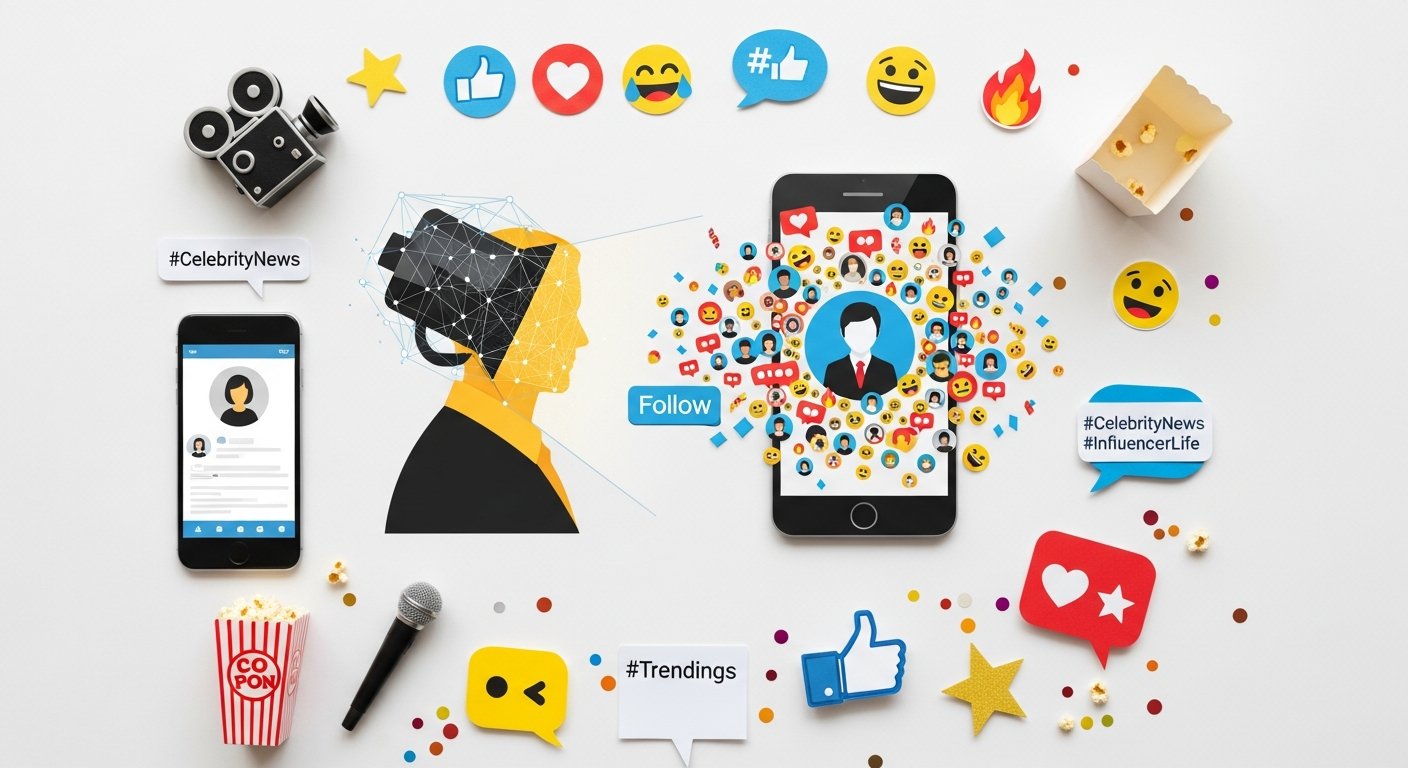
[INLINE IMAGE 1: place after second H2 | alt=”social media impact on celebrity concept illustration”]
Direct Engagement: Bridging the Star-Fan Divide
Perhaps the most significant and immediate social media impact on celebrity has been the radical shift in fan engagement. Gone are the days when a fan’s only hope of interaction was a signed autograph or a fleeting glimpse at a premiere. Today, a celebrity is often just a direct message, a comment, or a live stream away. This direct line of communication has revolutionized the fan experience, making it more personal, immediate, and participatory.
The Power of Real-Time Interaction
Social media allows for an intimacy that was previously impossible. Live Q&A sessions, Instagram Stories, and TikTok duets enable celebrities to engage directly with their audience in real-time. This not only deepens fan loyalty but also makes fans feel seen and valued, fostering a stronger sense of community around their favorite stars.
- Live Streams and Q&As: Platforms like Instagram Live and TikTok Live allow celebrities to host interactive sessions, answering questions and reacting to comments in real-time.
- Direct Messaging (DMs): While not every DM is answered, the mere possibility of direct communication creates an exciting, personal connection for fans.
- Comments and Replies: Celebrities often engage with comments on their posts, offering glimpses into their personality and acknowledging their fanbase.
- Fan Content Sharing: Stars frequently share fan-created content, from fan art to appreciation posts, strengthening the bond.
Building and Nurturing Fan Communities
Beyond individual interactions, social media facilitates the creation and nurturing of robust fan communities. Fandoms, once scattered, can now organize, share, and celebrate their idols collectively. This collective power can be immense, capable of driving trends, influencing public discourse, and even impacting career trajectories. However, it also brings challenges, as these communities can sometimes turn toxic or exert undue pressure.
- Dedicated Fan Pages: Social media allows fans to create and manage pages dedicated to their favorite celebrities, sharing news, photos, and discussions.
- Hashtag Campaigns: Fandoms can rally around specific hashtags to promote projects, celebrate milestones, or show collective support.
- Crowdsourcing Ideas: Some celebrities leverage their audience for creative input, asking for opinions on new projects, outfits, or content ideas.
The Perils of Proximity: Over-Sharing and Burnout
While direct engagement offers many benefits, it also comes with significant drawbacks. The pressure to constantly share and maintain an “authentic” online presence can be exhausting. Celebrities often struggle with balancing the desire to connect with fans against the need for privacy and personal space. Over-sharing can lead to public backlash, misinterpretation, and a feeling of constant surveillance.
- Constant Performance: Every post, every story, can feel like a performance, leading to pressure to always be “on.”
- Erosion of Privacy: The line between public and private life blurs, leaving little personal space for celebrities and their families.
- Emotional Labor: Managing fan expectations, responding to messages, and navigating online negativity can be emotionally draining.
- Burnout: The relentless demand for content and engagement can lead to mental exhaustion and a desire to disconnect entirely.
Brand Building and Economic Empowerment in the Digital Age
The social media impact on celebrity extends far beyond mere communication; it has fundamentally reshaped their economic power and brand-building capabilities. No longer solely reliant on traditional endorsements or media deals, celebrities can now cultivate personal brands, launch their own ventures, and monetize their influence directly. This has led to an explosion of celebrity-backed businesses, product lines, and sponsored content, creating new avenues of wealth and control.
From Endorser to Entrepreneur
Social media has empowered celebrities to transition from being passive endorsers of other brands to active entrepreneurs building their own empires. By leveraging their massive followings, stars can launch successful beauty lines, fashion brands, lifestyle products, and more, often with minimal traditional marketing costs. This direct-to-consumer model allows them greater creative control and a larger share of the profits.
- Direct-to-Consumer (DTC) Sales: Celebrities can sell their products directly to their audience via e-commerce links on social media platforms.
- Product Development: Stars are increasingly involved in the actual design and development of products, ensuring authenticity to their personal brand.
- Reduced Marketing Costs: Their social media presence acts as a built-in marketing machine, significantly reducing traditional advertising expenses.
The Lucrative World of Influencer Marketing
Beyond their own ventures, influencer marketing has become a dominant force in the advertising industry, with celebrities at its apex. Brands are willing to pay astronomical sums for sponsored posts, stories, and videos, recognizing the immense reach and trust celebrities command among their followers. This has created a new, highly lucrative revenue stream that rivals, and often surpasses, traditional acting or music careers for some.
- Sponsored Posts: Celebrities are paid to create content promoting products or services, clearly labeled as advertisements.
- Affiliate Marketing: Stars share unique links or codes that track sales, earning them a commission on purchases made by their followers.
- Brand Ambassadorships: Long-term partnerships where a celebrity becomes the face of a brand, integrating it into their online persona.
- Event Promotion: Using social media to drive attendance and buzz for product launches, premieres, or charitable events.
Comparison of Major Social Media Platforms for Celebrity Engagement in 2026
The choice of platform can significantly impact a celebrity’s strategy for engagement, brand building, and monetization. Each platform offers unique advantages and presents distinct challenges.
| Platform | Primary Benefit for Celebs | Key Challenge | Example Use Case |
|---|---|---|---|
| Visual storytelling, lifestyle branding, high engagement with photos/videos. | Algorithm changes, pressure for aesthetic perfection, authenticity demands. | Fashion lines, beauty products, personal vlogs, behind-the-scenes glimpses. | |
| X (formerly Twitter) | Real-time news, direct commentary, political/social activism, quick interaction. | High potential for backlash, misinformation spread, toxicity. | Live event commentary, breaking news reactions, political statements, Q&As. |
| TikTok | Viral trends, short-form video, reaching younger demographics, authenticity. | Keeping up with trends, short content lifespan, managing viral fame. | Dance challenges, comedic skits, personal narratives, quick product reviews. |
| YouTube | Long-form video content, deep dives, tutorials, building subscriber loyalty. | High production costs/time, intense competition, algorithm changes. | Vlogs, makeup tutorials, cooking shows, interviews, music videos, documentaries. |
| Broad demographic reach, community groups, event promotion, older audience. | Decreasing organic reach for public figures, privacy concerns, “boomer” reputation. | Official fan groups, event RSVPs, family-friendly content, curated news sharing. | |
| Snapchat | Ephemeral content, raw authenticity, direct messaging, younger, private audience. | Content disappears quickly, smaller public reach, difficult to monetize broadly. | Unfiltered daily life, personal interactions, exclusive sneak peeks. |
Learn more about how celebrities leverage diverse platforms for maximum reach.
The Double-Edged Sword: Scrutiny, Misinformation, and Cancel Culture
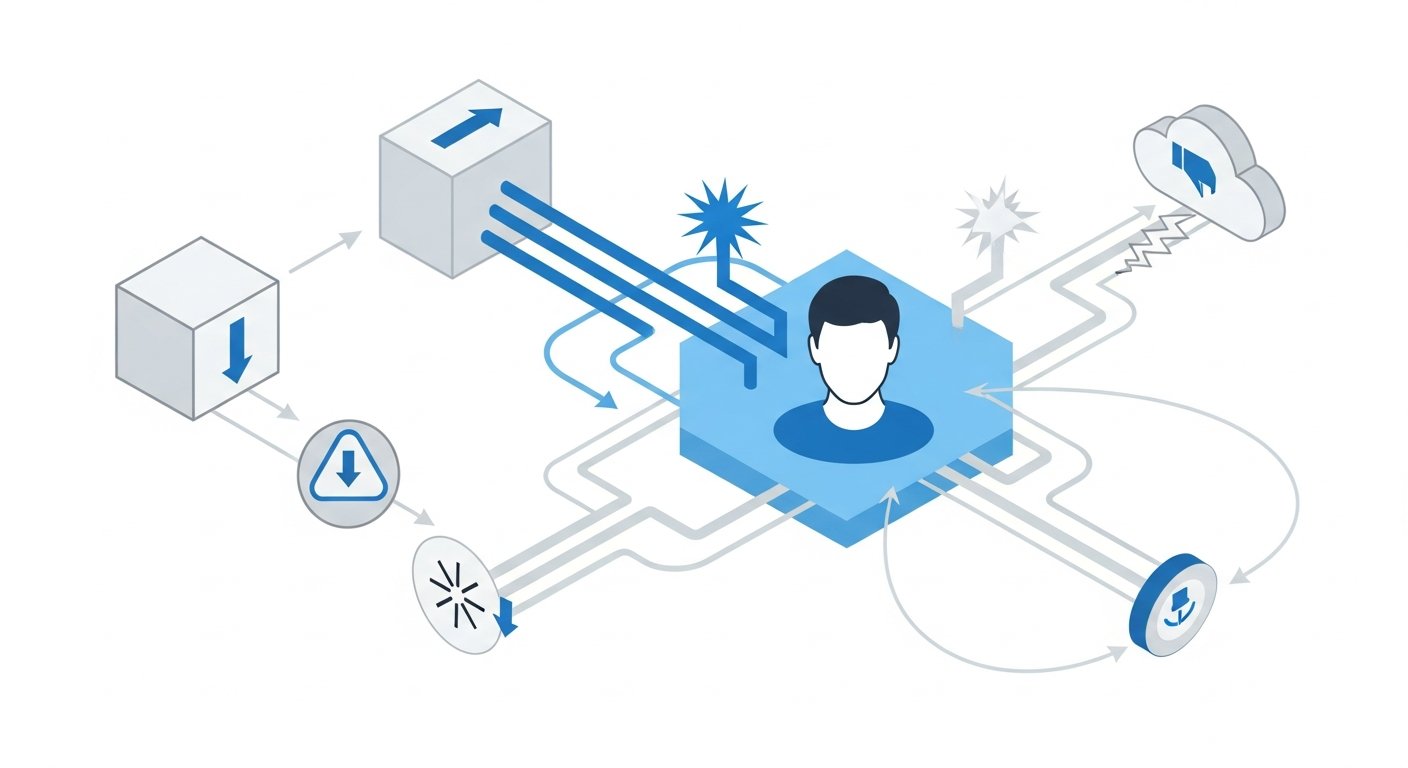
While social media offers immense power and opportunity, it simultaneously presents an arena of unparalleled risk. The same platforms that facilitate connection and brand building can also become crucibles of criticism, misinformation, and the rapid spread of “cancel culture.” The social media impact on celebrity in this regard is a constant tightrope walk, where a single misstep can unravel years of carefully constructed image and career.
Relentless Scrutiny and Public Judgment
With direct access comes direct observation. Every post, every like, every past comment can be unearthed, dissected, and judged by millions. The digital footprint is indelible, and the public’s appetite for perfection, coupled with a swift willingness to condemn, creates an environment of intense pressure. Celebrities are often held to impossibly high standards, with their every action scrutinized under a magnifying glass.
- Digital Footprint: Past posts, even from years ago, can resurface and lead to controversy.
- “Call-Out” Culture: Fans and critics alike are quick to point out perceived missteps, inconsistencies, or problematic behavior.
- Lack of Nuance: Social media often lacks the space for complex discussions, reducing issues to black and white, right and wrong.
- Mob Mentality: A collective outrage can quickly escalate, overwhelming the celebrity and potentially leading to significant repercussions.
The Spread of Misinformation and Rumors
The speed and reach of social media make it a fertile ground for rumors, gossip, and outright misinformation. Untrue stories about celebrities can go viral in minutes, causing significant reputational damage and personal distress. Disproving these narratives can be a lengthy and often futile battle against the digital current, as falsehoods tend to travel faster and wider than truth.
- Fake News Propagation: Fabricated stories, doctored images, and out-of-context quotes can spread like wildfire.
- Difficulty in Correction: Once a rumor takes hold, it is incredibly difficult to fully retract or correct, as it becomes ingrained in public perception.
- Weaponization of Information: Disgruntled individuals or rival factions can intentionally spread malicious falsehoods.
The Phenomenon of Cancel Culture
“Cancel culture” is perhaps the most potent and feared manifestation of social media’s power over celebrity. It refers to the widespread withdrawal of support from public figures who have said or done something considered offensive or problematic. The result can be swift and severe, leading to loss of endorsements, job opportunities, and a significant decline in public standing. While sometimes a legitimate mechanism for accountability, it is also often criticized for its unforgiving nature, lack of due process, and disproportionate punishments.
- Rapid Escalation: A single tweet or comment can trigger an immediate, widespread call for a celebrity to be “canceled.”
- Economic Consequences: Brands often sever ties quickly to avoid negative association, leading to significant financial losses.
- Career Damage: Being “canceled” can severely impede future opportunities in film, music, or other media.
- Debate over Accountability vs. Ostracization: There’s an ongoing discussion about whether cancel culture fosters genuine accountability or merely punishes without allowing for growth or redemption.
[INLINE IMAGE 2: place after fourth H2 | alt=”social media impact on celebrity comparison illustration”]
Mental Health, Privacy, and the Cost of Constant Connection
Beyond the professional implications, the social media impact on celebrity has profound effects on their personal well-being. The constant pressure to perform, the barrage of online criticism, and the erosion of personal boundaries take a significant toll on mental health and privacy. For many stars, the digital stage becomes a gilded cage, offering fame and fortune at the cost of peace of mind.
The Erosion of Privacy and Personal Space
In the age of social media, the concept of privacy for celebrities has all but vanished. Every aspect of their lives, from their morning coffee to their family vacations, is subject to public consumption and commentary. Paparazzi have found new tools in fan tip-offs and geotagged posts, while everyday citizens act as citizen journalists, eager to share sightings online. This relentless intrusion makes it incredibly difficult for celebrities to lead normal lives or protect their loved ones.
- Constant Surveillance: Celebrities are always “on,” with phones ready to record, and their every move potentially documented and shared.
- Family and Friends Affected: The private lives of their partners, children, and close friends often become unwilling subjects of public scrutiny.
- Doxxing and Harassment: In extreme cases, personal information can be leaked, leading to real-world harassment and safety concerns.
- Loss of Anonymity: Simple pleasures like a quiet dinner or a walk in the park become opportunities for public interaction, desired or not.
Battling Online Harassment and Cyberbullying
The anonymity and distance afforded by social media platforms embolden individuals to engage in behaviors they might never in person. Celebrities are frequent targets of online harassment, cyberbullying, hate speech, and even death threats. This relentless negativity can have devastating psychological effects, contributing to anxiety, depression, and a sense of isolation.
- Hate Speech and Trolling: Stars often receive a deluge of hateful comments, often fueled by misogyny, racism, or other prejudices.
- Body Shaming and Appearance Criticism: Celebrities, particularly women, are constantly subjected to critical commentary on their physical appearance.
- Stalking and Obsessive Behavior: Online platforms can provide tools for obsessed fans to track and harass their idols.
- Impact on Self-Esteem: Constant negative feedback, even from strangers, can severely damage a person’s self-worth.
The Mental Health Crisis in the Spotlight
The cumulative effect of relentless scrutiny, privacy invasion, and online toxicity has contributed to a growing mental health crisis among public figures. Many celebrities have openly discussed their struggles with anxiety, depression, and even suicidal ideation, directly linking these issues to the pressures of maintaining a public presence on social media. The expectation to be constantly “perfect” and available is an unsustainable burden.
- Anxiety and Depression: The fear of missteps, constant judgment, and pressure to perform can trigger or exacerbate mental health conditions.
- Isolation: Despite being surrounded by millions of followers, celebrities can feel incredibly isolated due to the superficial nature of online relationships and the inability to trust.
- Seeking Professional Help: A growing number of stars are advocating for mental health awareness and openly discussing their therapeutic journeys.
- Digital Detoxes: Many celebrities periodically take breaks from social media to protect their mental well-being, highlighting the exhausting nature of constant online presence.
Explore celebrity mental health initiatives and resources.
Activism, Advocacy, and Amplifying Voices
Despite the challenges, social media has also offered celebrities an unprecedented platform for positive change. The social media impact on celebrity isn’t solely about personal gain or peril; it’s also about the power to amplify important messages, rally support for causes, and engage in meaningful activism. Stars can now directly lend their voice and immense reach to social, political, and environmental issues, influencing public opinion and driving real-world action.
Leveraging Reach for Social Justice
Many celebrities utilize their massive followings to advocate for social justice causes, raising awareness about systemic inequalities, human rights issues, and political injustices. A single post from a well-known figure can bring a previously niche issue to the forefront of global conversation, mobilizing millions and putting pressure on decision-makers.
- Raising Awareness: Celebrities can highlight pressing issues, often personalizing them through their own experiences or connections.
- Sharing Information: They can disseminate facts, statistics, and reputable sources, helping to combat misinformation on important topics.
- Mobilizing Support: Calls to action – whether signing petitions, donating to charities, or participating in protests – can generate massive responses.
- Solidarity and Empathy: Stars can offer messages of solidarity to marginalized communities, fostering empathy and understanding among their diverse audience.
Championing Charitable Causes and Philanthropy
Social media has become an invaluable tool for celebrity philanthropy. Stars can directly appeal to their audience for donations, highlight the work of charities, and provide real-time updates on fundraising efforts. This transparency and direct engagement can inspire a wave of generosity and participation from their fans.
- Fundraising Campaigns: Running personal fundraisers or promoting charity campaigns with direct links for donations.
- Highlighting Non-Profits: Using their platform to shine a light on smaller, lesser-known charities doing important work.
- Transparency in Giving: Sharing updates on how donations are being used, fostering trust and encouraging continued support.
- Personal Involvement: Documenting their own visits to charitable organizations or participation in aid efforts.
Political Engagement and Voter Mobilization
In democratic societies, celebrities increasingly use social media to encourage political engagement, register voters, and endorse candidates or policies. While this can be controversial, it undeniable has the power to reach demographics often disengaged from traditional political discourse, especially younger voters.
- Voter Registration Drives: Collaborating with organizations to provide easy access to voter registration tools.
- Policy Discussion: Sharing their views on specific policies, legislative changes, or social issues impacting elections.
- Candidate Endorsements: Publicly supporting political candidates, which can sway public opinion among their followers.
- Civic Education: Breaking down complex political topics into digestible content for a broader audience.
The Rise of the Micro-Celebrity and the Influencer Economy
The social media impact on celebrity isn’t just about existing stars adapting; it’s about the creation of entirely new forms of fame. The rise of “micro-celebrities” and the broader “influencer economy” has blurred the lines between traditional celebrity and everyday internet users. Anyone with a compelling niche, consistent content, and an engaging personality can now cultivate a substantial following and, critically, monetize it, sometimes surpassing the reach and income of conventional stars.
Democratization of Fame: From Niche to Notoriety
Social media has democratized the path to fame. You no longer need a record deal, a movie role, or a modeling contract to become widely recognized. Individuals can build a following around hobbies, expertise, unique talents, or simply their personal life stories. This has led to a proliferation of stars in diverse niches, from gaming and cooking to financial advice and niche fashion.
- Niche Communities: Individuals can find and cultivate highly engaged audiences around specific interests.
- Creator Economy: Platforms enable creators to generate income directly from their content through subscriptions, tips, and advertising revenue shares.
- Authenticity Over Polished Image: Often, the most successful micro-celebrities are those who present a more authentic, relatable persona rather than a highly polished, unattainable one.
- Lower Barrier to Entry: Anyone with a smartphone and internet access can start creating content and building a following.
Influencer Marketing: A New Advertising Paradigm
Influencers, particularly those with highly engaged, albeit smaller, audiences (micro and nano-influencers), have become invaluable to brands. Their perceived authenticity and direct connection with their followers often translate into higher conversion rates than traditional advertising. This has created an entire industry focused on connecting brands with influencers for sponsored content, product reviews, and brand ambassadorships.
- Trust and Relatability: Followers often trust an influencer’s recommendation more than traditional ads, seeing them as peers rather than distant celebrities.
- Targeted Audiences: Brands can reach highly specific demographics and interest groups through niche influencers.
- Content Authenticity: Influencer content often feels more organic and less like a forced advertisement.
- Performance-Based Marketing: Many influencer campaigns are structured around measurable outcomes, like sales or clicks.
Discover the latest trends in influencer marketing and celebrity collaborations.
The Blurring Lines Between “Traditional” and “Digital” Celebrity
As the influencer economy matures, the distinction between a “traditional” celebrity (actor, singer, athlete) and a “digital” celebrity (YouTuber, TikToker, Instagrammer) is becoming increasingly fluid. Many digital stars now cross over into mainstream media, securing traditional acting roles, music deals, or book contracts. Conversely, established celebrities are adopting influencer strategies, leveraging their platforms for personal brand growth and direct monetization. This convergence signals a future where fame itself is increasingly platform-agnostic.
- Cross-Platform Success: Digital stars transitioning to film/TV and vice-versa.
- Hybrid Careers: Celebrities who actively pursue both traditional media and robust online content creation.
- Integrated Media Ecosystem: Social media is no longer separate but fully integrated into the career strategy of nearly every public figure.
Strategies for Survival: Navigating the Complex Digital Landscape
Given the immense power and pervasive challenges of social media, celebrities must adopt sophisticated strategies to not only survive but thrive in the digital age. This involves careful curation, strategic engagement, effective crisis management, and a focus on long-term well-being. The social media impact on celebrity demands a proactive and adaptable approach to public life.
Curating an Authentic Digital Persona
In an era demanding authenticity, celebrities walk a fine line between sharing enough to feel real and maintaining an appropriate level of privacy. Strategic curation involves selecting what to share, how to share it, and when to engage, aiming for a persona that resonates as genuine without exposing too much or fabricating an entirely false image.
- Strategic Storytelling: Crafting a narrative that aligns with their personal brand and career goals.
- Selective Sharing: Deciding which aspects of their life are appropriate for public consumption and which should remain private.
- Brand Consistency: Ensuring their online persona aligns with their professional image and values.
- Balancing Transparency with Privacy: Finding the sweet spot where fans feel connected without feeling intrusive.
Effective Social Media Management and Teams
Most high-profile celebrities do not manage their social media alone. They employ dedicated teams of social media managers, publicists, content creators, and legal counsel to navigate the complexities of their online presence. These teams are crucial for content creation, scheduling, moderation, analytics, and, critically, crisis management.
- Content Creation Specialists: Teams dedicated to producing high-quality photos, videos, and graphics.
- Community Managers: Individuals responsible for monitoring comments, engaging with fans, and flagging potential issues.
- Crisis Management: Developing protocols for responding to controversies, misinformation, or public backlash.
- Analytics and Strategy: Using data to understand audience engagement and refine content strategies.
Protecting Mental Health and Setting Boundaries
Recognizing the severe mental health toll of constant online presence, many celebrities are prioritizing self-care and actively setting boundaries. This includes implementing “digital detoxes,” limiting time spent on platforms, muting comments, and seeking professional psychological support. Openly discussing these struggles also helps destigmatize mental health challenges for their followers.
- Digital Detoxes: Scheduled breaks from all social media to recharge and disconnect.
- Comment Moderation: Utilizing tools or teams to filter out abusive or hateful comments.
- Time Limits: Setting strict personal limits on daily social media usage.
- Professional Support: Engaging with therapists or counselors to manage the pressures of fame.
Navigating Sponsorships and Authenticity
For celebrities leveraging influencer marketing, maintaining authenticity while promoting products is paramount. Audiences are increasingly savvy and can quickly detect inauthentic endorsements. Stars must carefully select brands that align with their values and genuinely use or believe in the products they promote to maintain credibility with their audience.
- Ethical Disclosure: Clearly labeling all sponsored content as required by regulations and to maintain trust.
- Brand Alignment: Partnering only with brands that genuinely resonate with their personal brand and values.
- Genuine Product Use: Demonstrating actual use and belief in the products being promoted.
- Audience Relevance: Ensuring promoted products are relevant and valuable to their specific follower demographic.
The Future of Fame: What’s Next for Celebrities in the Digital Sphere?
The social media impact on celebrity is not a static phenomenon; it is an ever-evolving force that continues to shape the future of fame. As technology advances and new platforms emerge, the relationship between stars, fans, and the digital realm will undoubtedly continue to transform. Predicting the exact trajectory is challenging, but several trends point towards an even more integrated, interactive, and potentially fragmented celebrity experience.
Emerging Technologies: AI, VR, and the Metaverse
The next wave of technological innovation, particularly in artificial intelligence, virtual reality, and the metaverse, promises to open entirely new dimensions for celebrity engagement. Imagine attending a virtual concert with your favorite artist’s avatar, interacting with AI-powered celebrity personas, or even owning digital assets designed by stars within immersive virtual worlds. These technologies could create unprecedented levels of simulated intimacy and new monetization opportunities.
- Virtual Concerts and Experiences: Immersive events hosted by celebrity avatars in the metaverse.
- AI-Powered Celebrity Personas: Chatbots or digital twins that can interact with fans, answer questions, or even generate new content.
- NFTs and Digital Collectibles: Celebrities leveraging blockchain technology for unique digital assets and fan engagement.
- Hyper-Personalized Content: AI curating content tailored specifically to individual fan preferences.
Hyper-Niche Fandoms and Decentralized Influence
While mega-celebrities will likely always exist, the future may see an even greater fragmentation of influence. The rise of hyper-niche communities and decentralized platforms could mean that success is defined less by universal recognition and more by deeply engaged, loyal, albeit smaller, followings within specific subcultures. This could empower more creators and lead to a more diverse spectrum of “celebrity.”
- Micro-Communities: Focus on building strong, dedicated communities around very specific interests.
- Subscription Models: More direct monetization through exclusive content and fan subscriptions.
- Creator-Owned Platforms: Celebrities and influencers potentially building their own platforms to control content and data.
- Community-Driven Content: Fans having a greater say in the content and direction of their favorite creators.
The Eternal Quest for Authenticity in an Increasingly Artificial World
As digital tools become more sophisticated, the challenge of maintaining genuine authenticity will grow. With deepfakes, AI-generated content, and highly filtered realities, discerning what is real from what is fabricated will become increasingly difficult for audiences. Celebrities who can genuinely connect and be transparent in an ever-more artificial digital world may find their authenticity becomes their most valuable asset.
- Combating Misinformation: The ongoing battle against deepfakes and AI-generated falsehoods.
- Value of Raw Content: An increased appreciation for unedited, spontaneous content.
- Transparency in AI Use: Clear disclosure when AI or advanced filters are used in content creation.
- Human Connection: The irreplaceable value of genuine human interaction and vulnerability.
In conclusion, the social media impact on celebrity has been nothing short of revolutionary. It has shattered old paradigms, created new pathways to fame, and profoundly reshaped the very nature of public life. While fraught with challenges from intense scrutiny to mental health burdens, it also offers unparalleled opportunities for connection, entrepreneurship, and positive global influence. As we look towards 2026 and beyond, one thing is clear: the digital dynasty of celebrity is only just beginning to write its most fascinating chapters.
Frequently Asked Questions
Q1: How has social media changed fan interaction with celebrities?
A1: Social media has revolutionized fan interaction by providing direct lines of communication. Fans can now engage with celebrities through comments, direct messages, live streams, and Q&A sessions. This has broken down traditional barriers, fostering a sense of intimacy and community that was previously impossible, making interaction more personal, immediate, and participatory.
Q2: What are the biggest challenges celebrities face on social media?
A2: Celebrities face numerous challenges on social media, including relentless public scrutiny, the spread of misinformation and rumors, the pervasive threat of “cancel culture,” and the erosion of personal privacy. Additionally, they often grapple with online harassment, cyberbullying, and the significant toll these pressures take on their mental health, leading to anxiety, depression, and burnout.
Q3: Can social media help new talent become famous?
A3: Absolutely. Social media has democratized fame, allowing individuals to become “micro-celebrities” or “influencers” without traditional gatekeepers like record labels or film studios. Platforms like TikTok, YouTube, and Instagram enable anyone with a unique talent, niche interest, or compelling personality to build a significant following and achieve widespread recognition.
Q4: How do celebrities use social media for their brands?
A4: Celebrities extensively use social media for brand building and monetization. They launch their own product lines (e.g., beauty, fashion, lifestyle), leverage influencer marketing through sponsored posts and brand ambassadorships, and engage in affiliate marketing. Their platforms act as direct-to-consumer sales channels and powerful marketing machines, allowing them greater economic control and profit share.
Q5: What role does social media play in celebrity activism?
A5: Social media provides celebrities with an unprecedented platform for activism and advocacy. They leverage their vast reach to raise awareness about social justice issues, champion charitable causes, and encourage political engagement like voter registration. A single post can amplify important messages, mobilize millions, and drive real-world action on critical global issues.
Q6: How does social media impact a celebrity’s mental health?
A6: The constant pressure to perform, the relentless scrutiny, the barrage of online criticism, and the erosion of personal boundaries contribute significantly to mental health issues among celebrities. Many experience anxiety, depression, and even burnout due to the demands of maintaining an online persona, managing negativity, and the constant feeling of being under surveillance. Many resort to digital detoxes and professional help.
The Digital Dynasty: Unpacking the Profound Social Media Impact on Celebrity Culture
Affiliate disclosure: This article may contain affiliate links. Recommendations are independent and editorially driven.
The landscape of celebrity has undergone a seismic transformation over the last two decades, largely propelled by the relentless evolution and ubiquitous presence of social media. What was once a carefully curated, often distant relationship between star and admirer has dissolved into a fluid, sometimes chaotic, and intensely personal interaction. From the glossy pages of magazines and the silver screen, celebrities have stepped directly into our pockets, accessible with a tap and a scroll. This profound social media impact on celebrity culture has redefined fame, power, and the very essence of public persona.
In 2026, the digital realm isn’t just an adjunct to celebrity; it is often its very foundation. Platforms like Instagram, X (formerly Twitter), TikTok, YouTube, and even newer, niche networks have become both a stage and a battlefield for the world’s most recognizable faces. They offer unprecedented opportunities for connection, brand building, and advocacy, yet simultaneously expose stars to relentless scrutiny, misinformation, and the unforgiving currents of public opinion. This article delves into the multifaceted ways social media has reshaped the lives and careers of celebrities, exploring both the dazzling highs and the perilous lows of this digital dominion.
The Evolution of Fame: From Pedestal to Pocket
For centuries, celebrity was synonymous with an almost mythical quality, a distant glow emanating from figures elevated far above the common person. The golden age of Hollywood perfected this mystique, crafting personas through studio systems, controlled media narratives, and carefully managed public appearances. Stars were aspirational, aspirational because they were largely unreachable. Their lives were glimpses, carefully framed, rarely spontaneous.
Pre-Social Media: The Age of Mystique
Before the advent of widespread internet connectivity and the subsequent explosion of social media platforms, the gatekeepers of fame were few: powerful studio executives, seasoned publicists, and established media outlets. Access to celebrities was tightly controlled, and interviews were often pre-approved, questions vetted, and answers polished. This created an aura of invincibility and perfection, an idealized version of humanity that fans could only admire from afar.
- Controlled Narratives: Studios and publicists meticulously crafted public images, often suppressing anything that could tarnish a star’s reputation.
- Limited Access: Fan interactions were primarily through fan mail, occasional public appearances, or structured meet-and-greets.
- Media Filters: Information about celebrities was filtered through journalists and entertainment reporters, acting as intermediaries.
- Aspirational Distance: The physical and emotional distance fostered an aspirational quality, making stars seem larger than life.
The Digital Dawn: Breaking Down Barriers
The early 2000s saw the gradual rise of personal websites and early blogging, but it was the mid-2000s and 2010s that truly ushered in the era of social media. Platforms like MySpace, Facebook, and later X (Twitter) and Instagram, began to democratize communication. Suddenly, celebrities had direct channels to their fans, bypassing traditional media entirely. This marked a monumental shift, dismantling the carefully constructed barriers of the past and ushering in an era of unprecedented accessibility.
- Direct Lines of Communication: Celebrities could post updates, photos, and videos directly to their audience, unfiltered.
- Erosion of Mystique: The ability to share mundane daily life, unfiltered thoughts, and behind-the-scenes glimpses began to chip away at the once-sacred celebrity mystique.
- Instant Feedback Loop: Fans could directly comment, like, and share, creating an immediate and often overwhelming feedback mechanism.
- Rise of Authenticity (or Perceived Authenticity): There was a growing demand for “realness,” pushing celebrities to present more unvarnished versions of themselves.
[INLINE IMAGE 1: place after second H2 | alt=”social media impact on celebrity concept illustration”]
Direct Engagement: Bridging the Star-Fan Divide
Perhaps the most significant and immediate social media impact on celebrity has been the radical shift in fan engagement. Gone are the days when a fan’s only hope of interaction was a signed autograph or a fleeting glimpse at a premiere. Today, a celebrity is often just a direct message, a comment, or a live stream away. This direct line of communication has revolutionized the fan experience, making it more personal, immediate, and participatory.
The Power of Real-Time Interaction
Social media allows for an intimacy that was previously impossible. Live Q&A sessions, Instagram Stories, and TikTok duets enable celebrities to engage directly with their audience in real-time. This not only deepens fan loyalty but also makes fans feel seen and valued, fostering a stronger sense of community around their favorite stars.
- Live Streams and Q&As: Platforms like Instagram Live and TikTok Live allow celebrities to host interactive sessions, answering questions and reacting to comments in real-time.
- Direct Messaging (DMs): While not every DM is answered, the mere possibility of direct communication creates an exciting, personal connection for fans.
- Comments and Replies: Celebrities often engage with comments on their posts, offering glimpses into their personality and acknowledging their fanbase.
- Fan Content Sharing: Stars frequently share fan-created content, from fan art to appreciation posts, strengthening the bond.
Building and Nurturing Fan Communities
Beyond individual interactions, social media facilitates the creation and nurturing of robust fan communities. Fandoms, once scattered, can now organize, share, and celebrate their idols collectively. This collective power can be immense, capable of driving trends, influencing public discourse, and even impacting career trajectories. However, it also brings challenges, as these communities can sometimes turn toxic or exert undue pressure.
- Dedicated Fan Pages: Social media allows fans to create and manage pages dedicated to their favorite celebrities, sharing news, photos, and discussions.
- Hashtag Campaigns: Fandoms can rally around specific hashtags to promote projects, celebrate milestones, or show collective support.
- Crowdsourcing Ideas: Some celebrities leverage their audience for creative input, asking for opinions on new projects, outfits, or content ideas.
The Perils of Proximity: Over-Sharing and Burnout
While direct engagement offers many benefits, it also comes with significant drawbacks. The pressure to constantly share and maintain an “authentic” online presence can be exhausting. Celebrities often struggle with balancing the desire to connect with fans against the need for privacy and personal space. Over-sharing can lead to public backlash, misinterpretation, and a feeling of constant surveillance.
- Constant Performance: Every post, every story, can feel like a performance, leading to pressure to always be “on.”
- Erosion of Privacy: The line between public and private life blurs, leaving little personal space for celebrities and their families.
- Emotional Labor: Managing fan expectations, responding to messages, and navigating online negativity can be emotionally draining.
- Burnout: The relentless demand for content and engagement can lead to mental exhaustion and a desire to disconnect entirely.
Brand Building and Economic Empowerment in the Digital Age
The social media impact on celebrity extends far beyond mere communication; it has fundamentally reshaped their economic power and brand-building capabilities. No longer solely reliant on traditional endorsements or media deals, celebrities can now cultivate personal brands, launch their own ventures, and monetize their influence directly. This has led to an explosion of celebrity-backed businesses, product lines, and sponsored content, creating new avenues of wealth and control.
From Endorser to Entrepreneur
Social media has empowered celebrities to transition from being passive endorsers of other brands to active entrepreneurs building their own empires. By leveraging their massive followings, stars can launch successful beauty lines, fashion brands, lifestyle products, and more, often with minimal traditional marketing costs. This direct-to-consumer model allows them greater creative control and a larger share of the profits.
- Direct-to-Consumer (DTC) Sales: Celebrities can sell their products directly to their audience via e-commerce links on social media platforms.
- Product Development: Stars are increasingly involved in the actual design and development of products, ensuring authenticity to their personal brand.
- Reduced Marketing Costs: Their social media presence acts as a built-in marketing machine, significantly reducing traditional advertising expenses.
The Lucrative World of Influencer Marketing
Beyond their own ventures, influencer marketing has become a dominant force in the advertising industry, with celebrities at its apex. Brands are willing to pay astronomical sums for sponsored posts, stories, and videos, recognizing the immense reach and trust celebrities command among their followers. This has created a new, highly lucrative revenue stream that rivals, and often surpasses, traditional acting or music careers for some.
- Sponsored Posts: Celebrities are paid to create content promoting products or services, clearly labeled as advertisements.
- Affiliate Marketing: Stars share unique links or codes that track sales, earning them a commission on purchases made by their followers.
- Brand Ambassadorships: Long-term partnerships where a celebrity becomes the face of a brand, integrating it into their online persona.
- Event Promotion: Using social media to drive attendance and buzz for product launches, premieres, or charitable events.
Comparison of Major Social Media Platforms for Celebrity Engagement in 2026
The choice of platform can significantly impact a celebrity’s strategy for engagement, brand building, and monetization. Each platform offers unique advantages and presents distinct challenges.
| Platform | Primary Benefit for Celebs | Key Challenge | Example Use Case |
|---|---|---|---|
| Visual storytelling, lifestyle branding, high engagement with photos/videos. | Algorithm changes, pressure for aesthetic perfection, authenticity demands. | Fashion lines, beauty products, personal vlogs, behind-the-scenes glimpses. | |
| X (formerly Twitter) | Real-time news, direct commentary, political/social activism, quick interaction. | High potential for backlash, misinformation spread, toxicity. | Live event commentary, breaking news reactions, political statements, Q&As. |
| TikTok | Viral trends, short-form video, reaching younger demographics, authenticity. | Keeping up with trends, short content lifespan, managing viral fame. | Dance challenges, comedic skits, personal narratives, quick product reviews. |
| YouTube | Long-form video content, deep dives, tutorials, building subscriber loyalty. | High production costs/time, intense competition, algorithm changes. | Vlogs, makeup tutorials, cooking shows, interviews, music videos, documentaries. |
| Broad demographic reach, community groups, event promotion, older audience. | Decreasing organic reach for public figures, privacy concerns, “boomer” reputation. | Official fan groups, event RSVPs, family-friendly content, curated news sharing. | |
| Snapchat | Ephemeral content, raw authenticity, direct messaging, younger, private audience. | Content disappears quickly, smaller public reach, difficult to monetize broadly. | Unfiltered daily life, personal interactions, exclusive sneak peeks. |
Learn more about how celebrities leverage diverse platforms for maximum reach.
The Double-Edged Sword: Scrutiny, Misinformation, and Cancel Culture
While social media offers immense power and opportunity, it simultaneously presents an arena of unparalleled risk. The same platforms that facilitate connection and brand building can also become crucibles of criticism, misinformation, and the rapid spread of “cancel culture.” The social media impact on celebrity in this regard is a constant tightrope walk, where a single misstep can unravel years of carefully constructed image and career.
Relentless Scrutiny and Public Judgment
With direct access comes direct observation. Every post, every like, every past comment can be unearthed, dissected, and judged by millions. The digital footprint is indelible, and the public’s appetite for perfection, coupled with a swift willingness to condemn, creates an environment of intense pressure. Celebrities are often held to impossibly high standards, with their every action scrutinized under a magnifying glass.
- Digital Footprint: Past posts, even from years ago, can resurface and lead to controversy.
- “Call-Out” Culture: Fans and critics alike are quick to point out perceived missteps, inconsistencies, or problematic behavior.
- Lack of Nuance: Social media often lacks the space for complex discussions, reducing issues to black and white, right and wrong.
- Mob Mentality: A collective outrage can quickly escalate, overwhelming the celebrity and potentially leading to significant repercussions.
The Spread of Misinformation and Rumors
The speed and reach of social media make it a fertile ground for rumors, gossip, and outright misinformation. Untrue stories about celebrities can go viral in minutes, causing significant reputational damage and personal distress. Disproving these narratives can be a lengthy and often futile battle against the digital current, as falsehoods tend to travel faster and wider than truth.
- Fake News Propagation: Fabricated stories, doctored images, and out-of-context quotes can spread like wildfire.
- Difficulty in Correction: Once a rumor takes hold, it is incredibly difficult to fully retract or correct, as it becomes ingrained in public perception.
- Weaponization of Information: Disgruntled individuals or rival factions can intentionally spread malicious falsehoods.
The Phenomenon of Cancel Culture
“Cancel culture” is perhaps the most potent and feared manifestation of social media’s power over celebrity. It refers to the widespread withdrawal of support from public figures who have said or done something considered offensive or problematic. The result can be swift and severe, leading to loss of endorsements, job opportunities, and a significant decline in public standing. While sometimes a legitimate mechanism for accountability, it is also often criticized for its unforgiving nature, lack of due process, and disproportionate punishments.
- Rapid Escalation: A single tweet or comment can trigger an immediate, widespread call for a celebrity to be “canceled.”
- Economic Consequences: Brands often sever ties quickly to avoid negative association, leading to significant financial losses.
- Career Damage: Being “canceled” can severely impede future opportunities in film, music, or other media.
- Debate over Accountability vs. Ostracization: There’s an ongoing discussion about whether cancel culture fosters genuine accountability or merely punishes without allowing for growth or redemption.
[INLINE IMAGE 2: place after fourth H2 | alt=”social media impact on celebrity comparison illustration”]
Mental Health, Privacy, and the Cost of Constant Connection
Beyond the professional implications, the social media impact on celebrity has profound effects on their personal well-being. The constant pressure to perform, the barrage of online criticism, and the erosion of personal boundaries take a significant toll on mental health and privacy. For many stars, the digital stage becomes a gilded cage, offering fame and fortune at the cost of peace of mind.
The Erosion of Privacy and Personal Space
In the age of social media, the concept of privacy for celebrities has all but vanished. Every aspect of their lives, from their morning coffee to their family vacations, is subject to public consumption and commentary. Paparazzi have found new tools in fan tip-offs and geotagged posts, while everyday citizens act as citizen journalists, eager to share sightings online. This relentless intrusion makes it incredibly difficult for celebrities to lead normal lives or protect their loved ones.
- Constant Surveillance: Celebrities are always “on,” with phones ready to record, and their every move potentially documented and shared.
- Family and Friends Affected: The private lives of their partners, children, and close friends often become unwilling subjects of public scrutiny.
- Doxxing and Harassment: In extreme cases, personal information can be leaked, leading to real-world harassment and safety concerns.
- Loss of Anonymity: Simple pleasures like a quiet dinner or a walk in the park become opportunities for public interaction, desired or not.
Battling Online Harassment and Cyberbullying
The anonymity and distance afforded by social media platforms embolden individuals to engage in behaviors they might never in person. Celebrities are frequent targets of online harassment, cyberbullying, hate speech, and even death threats. This relentless negativity can have devastating psychological effects, contributing to anxiety, depression, and a sense of isolation.
- Hate Speech and Trolling: Stars often receive a deluge of hateful comments, often fueled by misogyny, racism, or other prejudices.
- Body Shaming and Appearance Criticism: Celebrities, particularly women, are constantly subjected to critical commentary on their physical appearance.
- Stalking and Obsessive Behavior: Online platforms can provide tools for obsessed fans to track and harass their idols.
- Impact on Self-Esteem: Constant negative feedback, even from strangers, can severely damage a person’s self-worth.
The Mental Health Crisis in the Spotlight
The cumulative effect of relentless scrutiny, privacy invasion, and online toxicity has contributed to a growing mental health crisis among public figures. Many celebrities have openly discussed their struggles with anxiety, depression, and even suicidal ideation, directly linking these issues to the pressures of maintaining a public presence on social media. The expectation to be constantly “perfect” and available is an unsustainable burden.
- Anxiety and Depression: The fear of missteps, constant judgment, and pressure to perform can trigger or exacerbate mental health conditions.
- Isolation: Despite being surrounded by millions of followers, celebrities can feel incredibly isolated due to the superficial nature of online relationships and the inability to trust.
- Seeking Professional Help: A growing number of stars are advocating for mental health awareness and openly discussing their therapeutic journeys.
- Digital Detoxes: Many celebrities periodically take breaks from social media to protect their mental well-being, highlighting the exhausting nature of constant online presence.
Explore celebrity mental health initiatives and resources.
Activism, Advocacy, and Amplifying Voices
Despite the challenges, social media has also offered celebrities an unprecedented platform for positive change. The social media impact on celebrity isn’t solely about personal gain or peril; it’s also about the power to amplify important messages, rally support for causes, and engage in meaningful activism. Stars can now directly lend their voice and immense reach to social, political, and environmental issues, influencing public opinion and driving real-world action.
Leveraging Reach for Social Justice
Many celebrities utilize their massive followings to advocate for social justice causes, raising awareness about systemic inequalities, human rights issues, and political injustices. A single post from a well-known figure can bring a previously niche issue to the forefront of global conversation, mobilizing millions and putting pressure on decision-makers.
- Raising Awareness: Celebrities can highlight pressing issues, often personalizing them through their own experiences or connections.
- Sharing Information: They can disseminate facts, statistics, and reputable sources, helping to combat misinformation on important topics.
- Mobilizing Support: Calls to action – whether signing petitions, donating to charities, or participating in protests – can generate massive responses.
- Solidarity and Empathy: Stars can offer messages of solidarity to marginalized communities, fostering empathy and understanding among their diverse audience.
Championing Charitable Causes and Philanthropy
Social media has become an invaluable tool for celebrity philanthropy. Stars can directly appeal to their audience for donations, highlight the work of charities, and provide real-time updates on fundraising efforts. This transparency and direct engagement can inspire a wave of generosity and participation from their fans.
- Fundraising Campaigns: Running personal fundraisers or promoting charity campaigns with direct links for donations.
- Highlighting Non-Profits: Using their platform to shine a light on smaller, lesser-known charities doing important work.
- Transparency in Giving: Sharing updates on how donations are being used, fostering trust and encouraging continued support.
- Personal Involvement: Documenting their own visits to charitable organizations or participation in aid efforts.
Political Engagement and Voter Mobilization
In democratic societies, celebrities increasingly use social media to encourage political engagement, register voters, and endorse candidates or policies. While this can be controversial, it undeniable has the power to reach demographics often disengaged from traditional political discourse, especially younger voters.
- Voter Registration Drives: Collaborating with organizations to provide easy access to voter registration tools.
- Policy Discussion: Sharing their views on specific policies, legislative changes, or social issues impacting elections.
- Candidate Endorsements: Publicly supporting political candidates, which can sway public opinion among their followers.
- Civic Education: Breaking down complex political topics into digestible content for a broader audience.
The Rise of the Micro-Celebrity and the Influencer Economy
The social media impact on celebrity isn’t just about existing stars adapting; it’s about the creation of entirely new forms of fame. The rise of “micro-celebrities” and the broader “influencer economy” has blurred the lines between traditional celebrity and everyday internet users. Anyone with a compelling niche, consistent content, and an engaging personality can now cultivate a substantial following and, critically, monetize it, sometimes surpassing the reach and income of conventional stars.
Democratization of Fame: From Niche to Notoriety
Social media has democratized the path to fame. You no longer need a record deal, a movie role, or a modeling contract to become widely recognized. Individuals can build a following around hobbies, expertise, unique talents, or simply their personal life stories. This has led to a proliferation of stars in diverse niches, from gaming and cooking to financial advice and niche fashion.
- Niche Communities: Individuals can find and cultivate highly engaged audiences around specific interests.
- Creator Economy: Platforms enable creators to generate income directly from their content through subscriptions, tips, and advertising revenue shares.
- Authenticity Over Polished Image: Often, the most successful micro-celebrities are those who present a more authentic, relatable persona rather than a highly polished, unattainable one.
- Lower Barrier to Entry: Anyone with a smartphone and internet access can start creating content and building a following.
Influencer Marketing: A New Advertising Paradigm
Influencers, particularly those with highly engaged, albeit smaller, audiences (micro and nano-influencers), have become invaluable to brands. Their perceived authenticity and direct connection with their followers often translate into higher conversion rates than traditional advertising. This has created an entire industry focused on connecting brands with influencers for sponsored content, product reviews, and brand ambassadorships.
- Trust and Relatability: Followers often trust an influencer’s recommendation more than traditional ads, seeing them as peers rather than distant celebrities.
- Targeted Audiences: Brands can reach highly specific demographics and interest groups through niche influencers.
- Content Authenticity: Influencer content often feels more organic and less like a forced advertisement.
- Performance-Based Marketing: Many influencer campaigns are structured around measurable outcomes, like sales or clicks.
Discover the latest trends in influencer marketing and celebrity collaborations.
The Blurring Lines Between “Traditional” and “Digital” Celebrity
As the influencer economy matures, the distinction between a “traditional” celebrity (actor, singer, athlete) and a “digital” celebrity (YouTuber, TikToker, Instagrammer) is becoming increasingly fluid. Many digital stars now cross over into mainstream media, securing traditional acting roles, music deals, or book contracts. Conversely, established celebrities are adopting influencer strategies, leveraging their platforms for personal brand growth and direct monetization. This convergence signals a future where fame itself is increasingly platform-agnostic.
- Cross-Platform Success: Digital stars transitioning to film/TV and vice-versa.
- Hybrid Careers: Celebrities who actively pursue both traditional media and robust online content creation.
- Integrated Media Ecosystem: Social media is no longer separate but fully integrated into the career strategy of nearly every public figure.
Strategies for Survival: Navigating the Complex Digital Landscape
Given the immense power and pervasive challenges of social media, celebrities must adopt sophisticated strategies to not only survive but thrive in the digital age. This involves careful curation, strategic engagement, effective crisis management, and a focus on long-term well-being. The social media impact on celebrity demands a proactive and adaptable approach to public life.
Curating an Authentic Digital Persona
In an era demanding authenticity, celebrities walk a fine line between sharing enough to feel real and maintaining an appropriate level of privacy. Strategic curation involves selecting what to share, how to share it, and when to engage, aiming for a persona that resonates as genuine without exposing too much or fabricating an entirely false image.
- Strategic Storytelling: Crafting a narrative that aligns with their personal brand and career goals.
- Selective Sharing: Deciding which aspects of their life are appropriate for public consumption and which should remain private.
- Brand Consistency: Ensuring their online persona aligns with their professional image and values.
- Balancing Transparency with Privacy: Finding the sweet spot where fans feel connected without feeling intrusive.
Effective Social Media Management and Teams
Most high-profile celebrities do not manage their social media alone. They employ dedicated teams of social media managers, publicists, content creators, and legal counsel to navigate the complexities of their online presence. These teams are crucial for content creation, scheduling, moderation, analytics, and, critically, crisis management.
- Content Creation Specialists: Teams dedicated to producing high-quality photos, videos, and graphics.
- Community Managers: Individuals responsible for monitoring comments, engaging with fans, and flagging potential issues.
- Crisis Management: Developing protocols for responding to controversies, misinformation, or public backlash.
- Analytics and Strategy: Using data to understand audience engagement and refine content strategies.
Protecting Mental Health and Setting Boundaries
Recognizing the severe mental health toll of constant online presence, many celebrities are prioritizing self-care and actively setting boundaries. This includes implementing “digital detoxes,” limiting time spent on platforms, muting comments, and seeking professional psychological support. Openly discussing these struggles also helps destigmatize mental health challenges for their followers.
- Digital Detoxes: Scheduled breaks from all social media to recharge and disconnect.
- Comment Moderation: Utilizing tools or teams to filter out abusive or hateful comments.
- Time Limits: Setting strict personal limits on daily social media usage.
- Professional Support: Engaging with therapists or counselors to manage the pressures of fame.
Navigating Sponsorships and Authenticity
For celebrities leveraging influencer marketing, maintaining authenticity while promoting products is paramount. Audiences are increasingly savvy and can quickly detect inauthentic endorsements. Stars must carefully select brands that align with their values and genuinely use or believe in the products they promote to maintain credibility with their audience.
- Ethical Disclosure: Clearly labeling all sponsored content as required by regulations and to maintain trust.
- Brand Alignment: Partnering only with brands that genuinely resonate with their personal brand and values.
- Genuine Product Use: Demonstrating actual use and belief in the products being promoted.
- Audience Relevance: Ensuring promoted products are relevant and valuable to their specific follower demographic.
The Future of Fame: What’s Next for Celebrities in the Digital Sphere?
The social media impact on celebrity is not a static phenomenon; it is an ever-evolving force that continues to shape the future of fame. As technology advances and new platforms emerge, the relationship between stars, fans, and the digital realm will undoubtedly continue to transform. Predicting the exact trajectory is challenging, but several trends point towards an even more integrated, interactive, and potentially fragmented celebrity experience.
Emerging Technologies: AI, VR, and the Metaverse
The next wave of technological innovation, particularly in artificial intelligence, virtual reality, and the metaverse, promises to open entirely new dimensions for celebrity engagement. Imagine attending a virtual concert with your favorite artist’s avatar, interacting with AI-powered celebrity personas, or even owning digital assets designed by stars within immersive virtual worlds. These technologies could create unprecedented levels of simulated intimacy and new monetization opportunities.
- Virtual Concerts and Experiences: Immersive events hosted by celebrity avatars in the metaverse.
- AI-Powered Celebrity Personas: Chatbots or digital twins that can interact with fans, answer questions, or even generate new content.
- NFTs and Digital Collectibles: Celebrities leveraging blockchain technology for unique digital assets and fan engagement.
- Hyper-Personalized Content: AI curating content tailored specifically to individual fan preferences.
Hyper-Niche Fandoms and Decentralized Influence
While mega-celebrities will likely always exist, the future may see an even greater fragmentation of influence. The rise of hyper-niche communities and decentralized platforms could mean that success is defined less by universal recognition and more by deeply engaged, loyal, albeit smaller, followings within specific subcultures. This could empower more creators and lead to a more diverse spectrum of “celebrity.”
- Micro-Communities: Focus on building strong, dedicated communities around very specific interests.
- Subscription Models: More direct monetization through exclusive content and fan subscriptions.
- Creator-Owned Platforms: Celebrities and influencers potentially building their own platforms to control content and data.
- Community-Driven Content: Fans having a greater say in the content and direction of their favorite creators.
The Eternal Quest for Authenticity in an Increasingly Artificial World
As digital tools become more sophisticated, the challenge of maintaining genuine authenticity will grow. With deepfakes, AI-generated content, and highly filtered realities, discerning what is real from what is fabricated will become increasingly difficult for audiences. Celebrities who can genuinely connect and be transparent in an ever-more artificial digital world may find their authenticity becomes their most valuable asset.
- Combating Misinformation: The ongoing battle against deepfakes and AI-generated falsehoods.
- Value of Raw Content: An increased appreciation for unedited, spontaneous content.
- Transparency in AI Use: Clear disclosure when AI or advanced filters are used in content creation.
- Human Connection: The irreplaceable value of genuine human interaction and vulnerability.
In conclusion, the social media impact on celebrity has been nothing short of revolutionary. It has shattered old paradigms, created new pathways to fame, and profoundly reshaped the very nature of public life. While fraught with challenges from intense scrutiny to mental health burdens, it also offers unparalleled opportunities for connection, entrepreneurship, and positive global influence. As we look towards 2026 and beyond, one thing is clear: the digital dynasty of celebrity is only just beginning to write its most fascinating chapters.
Frequently Asked Questions
Q1: How has social media changed fan interaction with celebrities?
A1: Social media has revolutionized fan interaction by providing direct lines of communication. Fans can now engage with celebrities through comments, direct messages, live streams, and Q&A sessions. This has broken down traditional barriers, fostering a sense of intimacy and community that was previously impossible, making interaction more personal, immediate, and participatory.
Q2: What are the biggest challenges celebrities face on social media?
A2: Celebrities face numerous challenges on social media, including relentless public scrutiny, the spread of misinformation and rumors, the pervasive threat of “cancel culture,” and the erosion of personal privacy. Additionally, they often grapple with online harassment, cyberbullying, and the significant toll these pressures take on their mental health, leading to anxiety, depression, and burnout.
Q3: Can social media help new talent become famous?
A3: Absolutely. Social media has democratized fame, allowing individuals to become “micro-celebrities” or “influencers” without traditional gatekeepers like record labels or film studios. Platforms like TikTok, YouTube, and Instagram enable anyone with a unique talent, niche interest, or compelling personality to build a significant following and achieve widespread recognition.
Q4: How do celebrities use social media for their brands?
A4: Celebrities extensively use social media for brand building and monetization. They launch their own product lines (e.g., beauty, fashion, lifestyle), leverage influencer marketing through sponsored posts and brand ambassadorships, and engage in affiliate marketing. Their platforms act as direct-to-consumer sales channels and powerful marketing machines, allowing them greater economic control and profit share.
Q5: What role does social media play in celebrity activism?
A5: Social media provides celebrities with an unprecedented platform for activism and advocacy. They leverage their vast reach to raise awareness about social justice issues, champion charitable causes, and encourage political engagement like voter registration. A single post can amplify important messages, mobilize millions, and drive real-world action on critical global issues.
Q6: How does social media impact a celebrity’s mental health?
A6: The constant pressure to perform, the relentless scrutiny, the barrage of online criticism, and the erosion of personal boundaries contribute significantly to mental health issues among celebrities. Many experience anxiety, depression, and even burnout due to the demands of maintaining an online persona, managing negativity, and the constant feeling of being under surveillance. Many resort to digital detoxes and professional help.