


What Is Pop Culture? Decoding the Dominant Force in Celebrity & Entertainment
Affiliate disclosure: This article may contain affiliate links. Recommendations are independent and editorially driven.
At celebrity-exchange, we live and breathe the vibrant, ever-changing landscape of popular culture. It’s the beating heart of celebrity news, the driving force behind red-carpet style, and the captivating narrative woven through women’s entertainment. But for something so ubiquitous, something that shapes our conversations, our fashion choices, and even our political discourse, the question remains: what is pop culture?
More than just a fleeting trend or a catchy song, pop culture is a complex, multifaceted phenomenon. It’s the collective experience shared by a large segment of society, encompassing everything from blockbuster movies and chart-topping music to social media memes and fashion statements. It reflects our values, our aspirations, and our anxieties, evolving constantly as society itself shifts and redefines its norms. Understanding pop culture isn’t just about keeping up with the latest celebrity gossip; it’s about comprehending the cultural currents that define an era and influence millions.
In this comprehensive guide, we’ll journey deep into the essence of popular culture. We’ll explore its historical roots, dissect its defining characteristics, and illuminate its profound impact on individuals and society. From the rise of mass media to the age of digital influencers, we’ll trace its evolution and examine how it shapes our perceptions of success, beauty, and identity. Whether you’re a casual observer or a dedicated follower of celebrity trends, this exploration will equip you with a richer understanding of the powerful force that is pop culture.
The Genesis of Mass Appeal: Tracing Pop Culture’s Historical Roots
To truly grasp what is pop culture today, we must first look back at its origins. While human societies have always had shared cultural touchstones, the concept of “popular culture” as we know it is a relatively modern invention, largely tied to advancements in technology and societal structures.
Pre-Industrial Echoes: Festivals, Folklore, and Feasts
Before the advent of mass media, popular culture existed in more localized forms. Think of the communal festivals, oral traditions, and shared folklore that defined regional identities. These were forms of “popular” entertainment and cultural expression, accessible to the masses within their specific communities. While not disseminated globally, they served a similar function: providing shared experiences, narratives, and entertainment for a broad audience. The stories told around campfires, the songs sung in taverns, and the public spectacles of local fairs all laid the groundwork for the more formalized popular culture that would emerge centuries later.
The Industrial Revolution and the Mass Production of Culture
The 19th century, with its Industrial Revolution, marked a critical turning point. Urbanization brought diverse populations together, sparking a demand for shared entertainment accessible to the growing working class. Simultaneously, new printing technologies made newspapers, magazines, and dime novels affordable and widely available. This era saw the rise of sensationalized journalism, serialized stories, and popular music sheets, laying the groundwork for mass consumption of cultural products. The ability to reproduce and distribute cultural content on a large scale was a game-changer, democratizing access to entertainment beyond the elite. Vaudeville shows, circuses, and public parks also became significant venues for popular amusement, catering to a newly mobile and urbanized populace.
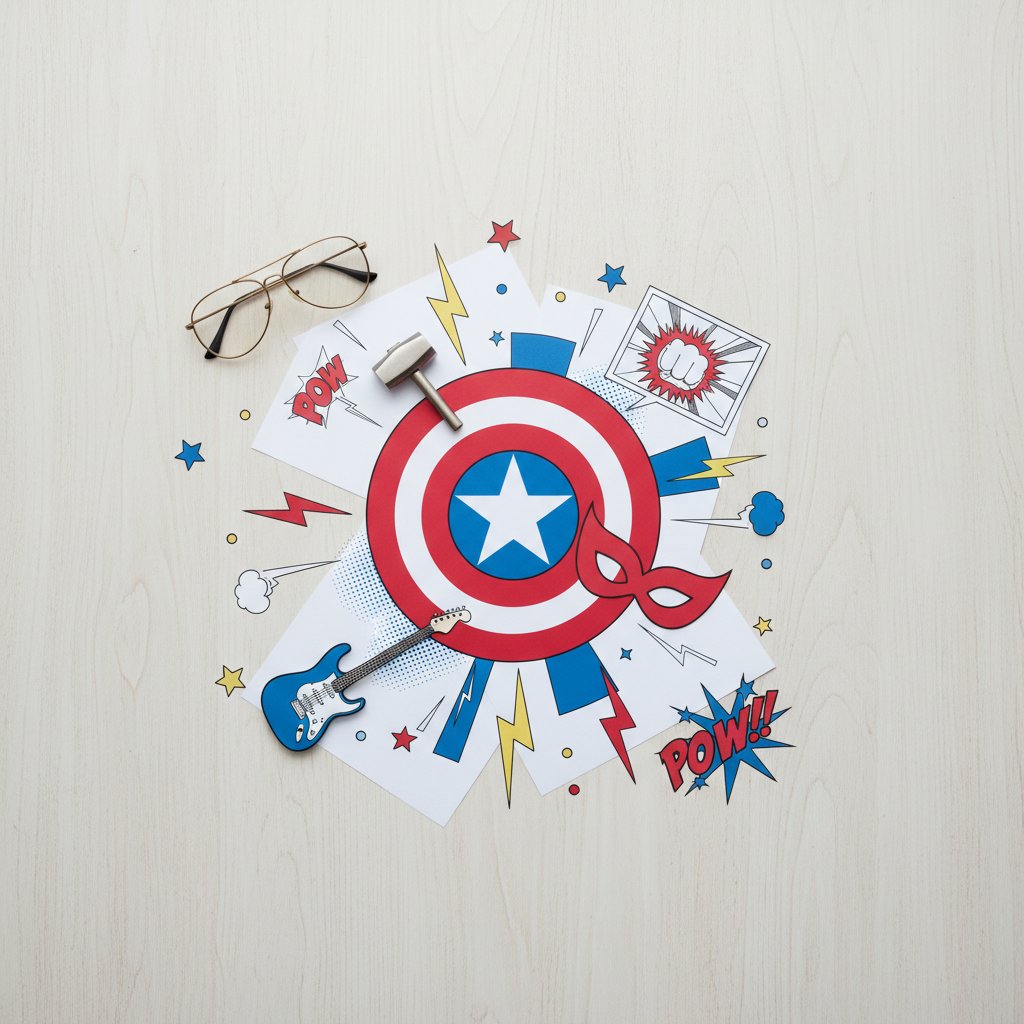
[INLINE IMAGE 1: place after second H2 | alt=”what is pop culture concept illustration”]
The 20th Century Explosion: Radio, Film, and Television
The 20th century witnessed an unparalleled explosion in popular culture driven by revolutionary media technologies. This is where the modern understanding of “what is pop culture” truly takes shape.
-
Radio (1920s-1940s): Unifying a Nation Through Sound
Radio brought shared experiences directly into people’s homes. Families gathered around their sets to listen to serial dramas, comedy shows, news broadcasts, and, crucially, music. Radio stars became the first true mass-media celebrities, their voices recognized and adored across vast distances. This fostered a national rather than purely regional sense of shared culture.
-
Film (1920s onwards): The Dream Factory
Hollywood’s golden age created a powerful global engine for popular culture. Movie stars became iconic figures, their fashion, mannerisms, and lifestyles emulated by millions. Cinema offered escapism, fantasy, and shared narratives that transcended geographical boundaries. The universal language of film allowed American popular culture to begin its worldwide expansion.
-
Television (1950s onwards): The Ubiquitous Screen
Television solidified pop culture’s dominance. By the 1960s, a significant portion of households had a TV, consuming the same programs at the same time. This created an unprecedented level of shared cultural reference points, from classic sitcoms and variety shows to news events and sporting spectacles. Television not only reflected culture but actively shaped it, presenting ideals, trends, and celebrity personas directly into living rooms.
-
Music: The Soundtrack of Generations
From the big band era to rock and roll, motown, and disco, music has consistently been a defining element of popular culture. The rise of records, then cassettes and CDs, allowed individual consumption and personal connection to musical artists, further defining youth subcultures and wider societal shifts.
Each wave of technological advancement broadened the reach and deepened the impact of popular culture, laying the foundation for the hyper-connected, real-time phenomenon we experience today.
Defining Characteristics: What Makes Pop Culture “Pop”?
Beyond its historical trajectory, understanding what is pop culture requires dissecting its core attributes. It’s more than just what’s popular; it’s popular in a specific, dynamic, and often commercialized way.
Accessibility and Widespread Consumption
At its heart, pop culture is democratic. It’s designed to be easily accessible and consumed by the largest possible audience. Unlike niche or high culture, which often requires specific knowledge or a particular socioeconomic status to appreciate, pop culture aims for broad appeal. This means it often uses simple, relatable narratives, universally understood themes, and readily available formats (streaming, broadcast, social media).
-
Mass Production and Distribution:
Cultural products – music, films, TV shows, games, fashion – are produced on an industrial scale and distributed through channels that reach millions, if not billions.
-
Affordability:
While some pop culture experiences can be expensive (concert tickets, designer clothes), the core elements are often designed to be inexpensive or even free (social media content, radio, streaming services with ad models).
-
Ease of Engagement:
Pop culture often demands less cognitive effort to consume. While deeper analysis is possible, its initial appeal is often immediate and intuitive.
Transience and Rapid Evolution
One of the most defining characteristics of pop culture is its inherent transience. It’s a constantly shifting landscape, with trends emerging, peaking, and fading away at an astonishing pace. This rapid evolution is driven by several factors:
-
The “Next Big Thing” Mentality:
There’s a perpetual cultural appetite for novelty and innovation, pushing creators to constantly produce fresh content.
-
Technological Acceleration:
Digital media and social platforms amplify this transience, allowing trends to go viral overnight and also expire just as quickly.
-
Consumer Fatigue:
Audiences can quickly tire of over-saturated trends, leading them to seek out new forms of entertainment and expression.
This rapid turnover means that what is pop culture today might be a relic tomorrow, necessitating constant engagement for those who wish to stay current.
Commercialization and Economic Drivers
Pop culture is inextricably linked to commerce. It is a massive global industry, generating billions of dollars annually through:
-
Direct Sales:
Tickets, albums, merchandise, subscriptions, gaming purchases.
-
Advertising and Sponsorships:
Brands leverage popular cultural phenomena and celebrities to market their products.
-
Ancillary Products:
Spinoffs, sequels, tie-ins, and themed merchandise that extend the life and profitability of successful cultural products.
The economic incentive often dictates what gets produced, how it’s marketed, and which narratives are prioritized. This commercial aspect can lead to criticisms of superficiality or commodification, but it’s also what fuels the production of high-quality, widely accessible entertainment. Explore how celebrity endorsements drive fashion trends in our latest analysis.
Reflective and Shaping: A Two-Way Mirror
Pop culture operates as a two-way mirror: it both reflects and shapes societal values, beliefs, and behaviors.
-
Reflection:
It mirrors current anxieties, aspirations, political climates, and social movements. For example, protest songs reflect societal discontent, while utopian sci-fi reflects hopes for the future.
-
Shaping:
Conversely, pop culture has immense power to influence. Celebrities become role models, fashion trends permeate wardrobes, and storylines can normalize or challenge social norms. It can introduce new ideas, challenge stereotypes, and even drive political engagement.
Understanding this dual role is crucial for anyone studying what is pop culture, as it highlights its power as both a symptom and a catalyst for change.
The Pillars of Popular Culture: Key Domains and Expressions
When asking what is pop culture, it’s essential to look at its diverse manifestations. Pop culture isn’t a monolith; it’s a vast ecosystem comprising various domains, each with its own creators, consumers, and forms of expression.
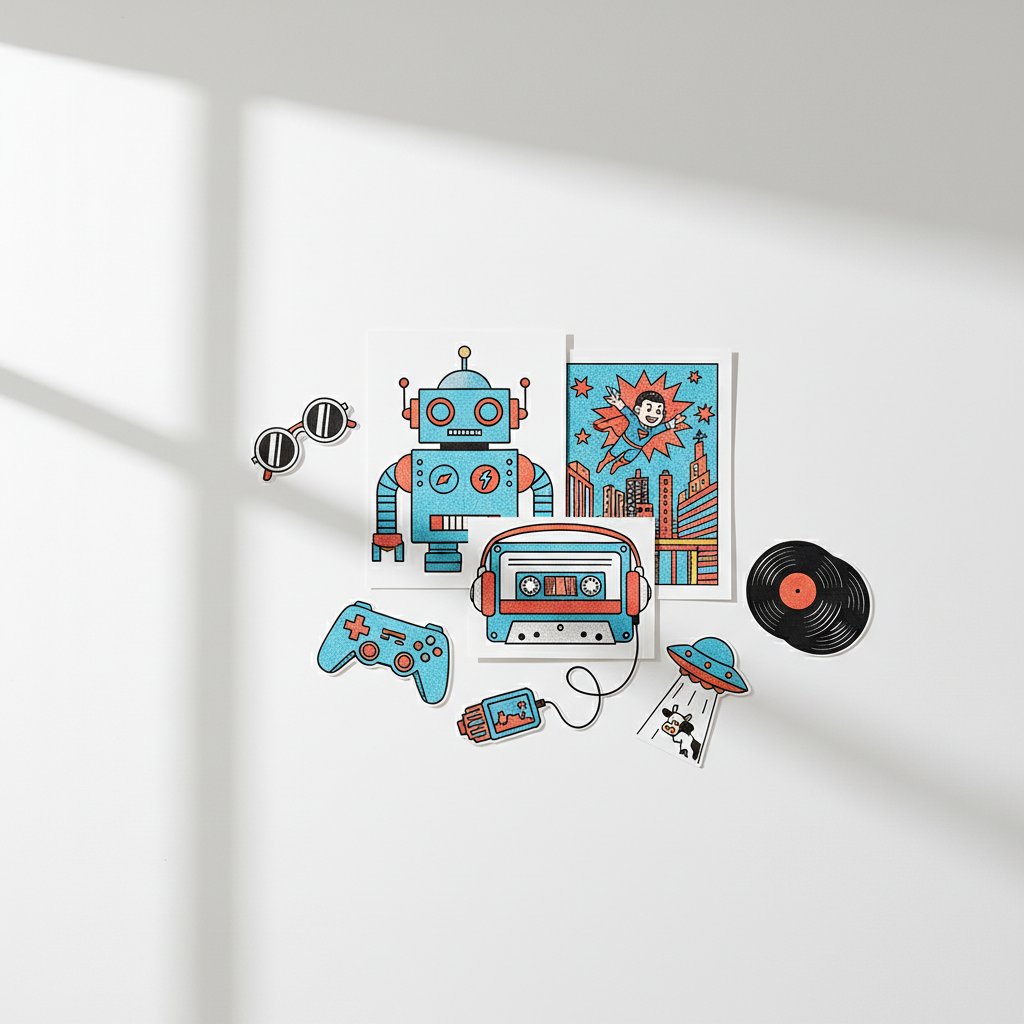
[INLINE IMAGE 2: place after fourth H2 | alt=”what is pop culture comparison illustration”]
Entertainment Media: Film, Television, and Music
These are perhaps the most traditionally recognized pillars of popular culture, consistently generating global phenomena.
-
Film:
Blockbuster movies, cinematic universes, and independent features draw millions to theaters and streaming platforms. From superhero epics to romantic comedies, films offer shared viewing experiences, create iconic characters, and spark countless discussions. The annual awards season, heavily covered by celebrity-exchange, is another key indicator of cultural impact.
-
Television & Streaming:
The “golden age” of television has transcended traditional broadcast with the rise of streaming services. Binge-watching hit series, dissecting plot twists, and engaging with character arcs have become communal activities. Reality TV, competition shows, and docu-series also play a significant role, blurring the lines between news and entertainment.
-
Music:
Chart-topping singles, trending artists, and global music festivals define generations. Music shapes identities, provides soundtracks to our lives, and acts as a powerful vehicle for social commentary and personal expression. The influence of music videos, TikTok trends, and celebrity musicians cannot be overstated.
Fashion and Style: From Runways to Red Carpets
Fashion is a direct, visible manifestation of pop culture. What celebrities wear on the red carpet, what designers showcase at Fashion Week, and what trends dominate social media all contribute to the collective aesthetic of an era.
-
Celebrity Influence:
Celebrities are often the primary drivers of fashion trends. Their outfits are scrutinized, admired, and copied, influencing everything from high street brands to personal style choices. This is a core focus of celebrity-exchange’s red-carpet style analysis.
-
Trend Cycles:
Fashion operates in cyclical trends, often resurfacing decades-old styles with a modern twist. Pop culture accelerates these cycles, making them more visible and transient.
-
Brand Power:
Major fashion brands and designers become cultural arbiters, their logos and collections signaling status and affiliation.
Celebrity Culture: Icons, Influencers, and Idols
Perhaps nowhere is the “what is pop culture” question more intertwined with our mission at celebrity-exchange than in the realm of celebrity culture. Celebrities are not just entertainers; they are cultural touchstones, aspirational figures, and often, powerful influencers.
-
Aspiration and Identification:
We project our hopes and dreams onto celebrities, identifying with their struggles and celebrating their successes.
-
Cultural Narratives:
Celebrity lives, relationships, and controversies become shared narratives, fueling gossip, discussion, and media cycles.
-
Brand Amplification:
Celebrities lend their immense platforms and credibility to endorse products, promote causes, and shape public opinion.
The rise of digital influencers has democratized this space, allowing individuals outside traditional entertainment industries to achieve celebrity status and wield significant cultural power.
Digital and Social Media: Memes, Trends, and Viral Content
The digital age has fundamentally reshaped and accelerated pop culture. Social media platforms like TikTok, Instagram, and X (formerly Twitter) are now primary conduits for cultural dissemination.
-
Viral Content:
Memes, challenges, and short-form videos spread globally within hours, creating ephemeral but intensely shared cultural moments.
-
Real-time Engagement:
Audiences no longer passively consume; they actively participate, create, and remix cultural content.
-
Fandom and Community:
Digital platforms foster passionate fan communities, allowing enthusiasts to connect, share, and collectively shape narratives around their favorite pop culture phenomena.
Gaming and Esports: Interactive Worlds and Competitive Play
Video games have shed their niche image and fully integrated into mainstream pop culture. With billions of players worldwide, gaming is a global phenomenon.
-
Blockbuster Releases:
Major game launches generate as much hype and revenue as Hollywood blockbusters.
-
Esports:
Professional competitive gaming has become a massive industry, attracting millions of viewers and huge prize pools, creating celebrity gamers.
-
Cultural Impact:
Game narratives, characters, and soundtracks influence other forms of media, and gaming communities are powerful cultural forces.
These diverse domains constantly interact and influence one another, creating a rich tapestry that defines the contemporary answer to what is pop culture.
The Impact of Pop Culture: Shaping Individuals and Society

The influence of pop culture extends far beyond mere entertainment. It profoundly impacts how we think, feel, interact, and perceive the world around us. Understanding “what is pop culture” means grappling with its pervasive and often subtle effects.
Identity Formation and Self-Expression
Pop culture offers individuals a vast menu of identities to explore and adopt. From fashion choices to musical tastes, and from favorite characters to social media personas, people use pop culture elements to construct and express their sense of self.
-
Role Models and Aspiration:
Celebrities and fictional characters often serve as role models, influencing aspirations related to career, relationships, fashion, and lifestyle.
-
Subcultures and Communities:
Shared interests in specific pop culture phenomena (e.g., K-Pop stans, sci-fi geeks, sneakerheads) foster subcultures and communities, providing a sense of belonging and validation. This is particularly true for younger generations who use pop culture to navigate the complexities of identity.
-
Fashion and Style as Identity Markers:
Our clothing, hairstyles, and accessories, heavily influenced by pop culture, are external declarations of who we are or aspire to be.
Socialization and Norm-Setting
Pop culture is a powerful agent of socialization, communicating societal norms, values, and expectations. It can both reinforce and challenge existing social structures.
-
Normalization and Acceptance:
Through repeated exposure, pop culture can normalize behaviors, lifestyles, and identities that were once considered marginal. For instance, the increased representation of diverse characters in media has significantly contributed to greater societal acceptance.
-
Trends and Fads:
From speech patterns to dance moves, pop culture dictates what’s “in” and “out,” guiding social interactions and group affiliations.
-
Shifting Ideals:
Pop culture constantly redefines ideals of beauty, success, romance, and gender roles, often reflecting and sometimes driving societal changes.
Economic and Political Influence
The commercial and political power of pop culture is undeniable.
-
Market Trends:
The success of a movie, album, or celebrity endorsement can create massive economic waves, influencing industries from retail to tourism. Products endorsed by celebrities often see exponential sales increases.
-
Political Discourse and Activism:
Pop culture can be a platform for political commentary and social activism. Artists, filmmakers, and influencers use their platforms to raise awareness, advocate for causes, and mobilize public opinion. Think of protest songs, documentaries, or celebrity-led campaigns.
-
Cultural Diplomacy:
A nation’s popular culture, like Hollywood films or K-Pop, can serve as a powerful tool for cultural diplomacy, shaping global perceptions and fostering cross-cultural connections.
| Sphere of Influence | Positive Impact Examples | Potential Negative Impact Examples |
|---|---|---|
| Individual Identity | — Self-expression & creativity — Sense of belonging via fandoms — Exposure to diverse viewpoints |
— Unrealistic beauty standards — Pressure to conform — Consumerism & materialism |
| Social Dynamics | — Shared experiences & conversation starters — Normalization of diversity — Catalytic for social change (e.g., #MeToo) |
— Spread of misinformation — Trivialization of serious issues — Reinforcement of stereotypes |
| Economic Landscape | — Job creation in creative industries — Economic growth via sales & tourism — Innovation in technology & marketing |
— Exploitation of artists/creators — Over-commercialization of culture — Obsolescence of older forms of media |
| Political Realm | — Platform for activism & awareness — Influence on voter engagement — Cross-cultural understanding |
— Celebrity endorsement over substance — Disinformation campaigns — Distraction from critical issues |
| Global Relations | — Cultural exchange & soft power — Shared entertainment for a global audience — Bridging cultural divides |
— Cultural homogenization or appropriation — Dominance of Western/specific cultures — Misrepresentation of other cultures |
Escapism and Stress Relief
Amidst the daily grind and global challenges, pop culture often serves as a vital source of escapism. Losing oneself in a captivating fictional world, dancing to an upbeat song, or laughing at a viral video provides a temporary reprieve from stress and anxiety. This function of popular culture is often undervalued but is crucial for mental well-being and emotional regulation on a mass scale.
Ultimately, what is pop culture is a dynamic force that shapes our inner worlds and outer realities, making it deserving of serious study and appreciation, not just casual consumption.
The Role of Technology: From Broadcast to Hyper-Personalization
The evolution of technology is not just an influencer of pop culture; it is arguably its primary driver. Each major technological leap has fundamentally redefined “what is pop culture,” changing how it’s created, distributed, consumed, and experienced.
The Rise of Mass Media: Radio, Film, Television
As discussed earlier, these foundational technologies were responsible for creating the concept of a shared national, then international, popular culture. They allowed for the simultaneous broadcasting of content to millions, fostering a sense of collective experience and setting the stage for celebrity adoration on an unprecedented scale.
The Internet Age: Democratization and Diversification
The advent of the internet in the late 20th and early 21st centuries revolutionized pop culture more profoundly than any previous invention.
-
Accessible Content Creation:
The internet removed many barriers to entry for creators. Anyone with an idea and a camera or microphone could potentially become a content producer, bypassing traditional gatekeepers (record labels, film studios, publishers).
-
Niche Communities Flourish:
While mass media created a shared mainstream, the internet allowed for the proliferation of countless niche fandoms and subcultures. Individuals could connect globally with others who shared their specific interests, no matter how obscure.
-
User-Generated Content (UGC):
Blogs, forums, and early social media platforms were dominated by user-generated content, shifting the dynamic from purely top-down cultural dissemination to a more peer-to-peer exchange.
Social Media and the Explosion of Real-Time Culture
The past two decades have seen social media platforms emerge as the dominant force in shaping contemporary pop culture. This is the era of hyper-connected, real-time culture.
-
Instant Virality:
A piece of content can go from obscurity to global phenomenon in mere hours. Memes, challenges, and trending topics spread at unprecedented speeds.
-
Direct Artist-Fan Interaction:
Social media allows celebrities, artists, and creators to interact directly with their audiences, building deeper connections, but also exposing them to greater scrutiny.
-
Influencer Culture:
Social media gave rise to the “influencer” – individuals who build large, engaged audiences and leverage that influence to shape trends, promote products, and impact opinions. These are often the new celebrities of the digital age.
-
Personalized Feeds:
Algorithms curate individualized content feeds, meaning users often experience a “pop culture” that is highly tailored to their existing preferences, potentially leading to cultural echo chambers.
Streaming Services and the On-Demand Revolution
The shift from scheduled broadcasting to on-demand streaming for music, film, and television products has dramatically altered consumption patterns.
-
Binge-Watching:
The ability to consume entire seasons of TV shows in a single sitting has changed narrative structures and viewing habits.
-
Global Access:
Streaming services provide unprecedented access to international content, exposing audiences worldwide to diverse pop cultural productions from different countries (e.g., the global rise of K-dramas).
-
Shift in Discovery:
While algorithms recommend content, the sheer volume means discovery can be overwhelming, leading to reliance on curated lists, social trends, and word-of-mouth.
The constant interplay between technological innovation and cultural expression means that the answer to “what is pop culture” is perpetually redefined, pushing the boundaries of creativity and connection.
The Future of Pop Culture: Trends and Trajectories

Predicting the future is always challenging, but several key trends suggest how pop culture might continue to evolve, especially concerning celebrity, entertainment, and women’s roles, which are central to celebrity-exchange’s purview.
Increasing Personalization and Niche Dominance
While mass appeal will always be a component of pop culture, the trend towards hyper-personalization, driven by AI and sophisticated algorithms, will likely intensify. Audiences will continue to splinter into incredibly specific niches, each with its own pop cultural touchstones. This could lead to a paradox: a global culture that is simultaneously more universal in reach but more fragmented in individual experience.
-
Micro-Influencers:
The power of ultra-niche influencers appealing to highly specific demographics will grow, offering brands and creators targeted engagement.
-
Algorithmic Curation:
AI-driven recommendation engines will become even more sophisticated, anticipating desires and pushing diverse content to consumers, potentially expanding horizons or reinforcing existing preferences.
The Ascendancy of Interactive and Immersive Experiences
Beyond passive consumption, the future of pop culture will increasingly focus on interactivity and immersion.
-
Gaming as the Ultimate Medium:
Video games, already a dominant force, will continue to expand in their cultural footprint, integrating more complex narratives, interactive storytelling, and social elements.
-
Metaverse and Virtual Worlds:
As technology advances, virtual reality (VR) and augmented reality (AR) will make shared virtual spaces (metaverses) more prevalent. Pop culture events – concerts, fashion shows, movie premieres – could increasingly take place in these immersive digital environments, blurring the lines between physical and virtual celebrity interaction.
-
AI-Generated Content:
The development of advanced AI will lead to more sophisticated AI-generated music, art, and even narratives. The lines between human and AI creation will become increasingly blurred, raising ethical and artistic questions about authenticity and originality. Read our expert takes on AI’s impact on creative industries.
Global Convergence and Cultural Blends
The internet has already fostered a global exchange of culture, but this will only accelerate. We will see more cross-pollination and fusion of cultural elements from different regions.
-
Continued Rise of Non-Western Pop Culture:
The global success of K-Pop, J-Culture, and Afrobeats is just the beginning. Pop culture from historically underrepresented regions will continue to gain international recognition and influence.
-
Hybrid Forms:
Expect more content that deliberately blends aesthetics, languages, and storytelling traditions from across the globe, creating truly hybridized pop cultural products.
Evolving Celebrity and Influence
The definition of “celebrity” will continue to diversify and decentralize.
-
Authenticity vs. Performance:
As audiences become more savvy, the demand for authenticity from public figures will grow, yet the line between genuine self and carefully curated online persona will remain a central tension.
-
Decentralized Influence:
While mega-influencers will remain, the power will increasingly shift to experts, thought leaders, and specialized creators in niche communities, driving micro-trends and highly targeted movements.
-
Digital Immortality:
The creation of digital avatars and AI versions of deceased celebrities could lead to new forms of posthumous pop culture production, raising complex questions about legacy and control.
Sustainability and Social Responsibility in Pop Culture
As global awareness of environmental and social issues grows, expect an increasing demand for pop culture that reflects these values.
-
Eco-Conscious Fashion:
Sustainable and ethical practices will become more central to fashion trends, driven by consumer demand and celebrity advocacy.
-
Purpose-Driven Content:
Entertainment will increasingly grapple with complex social issues, not just for commentary but also to inspire action and promote positive change.
The future of what is pop culture will be an even more dynamic, participatory, and technologically mediated experience, constantly challenging our perceptions of art, entertainment, and connection.
Critiques and Challenges: The Dark Side of Popularity
While often celebrated for its unifying and entertaining qualities, pop culture is not without its critics and challenges. Examining these aspects provides a more balanced understanding of “what is pop culture” and its broader societal implications.
Commercialism and Superficiality
One of the most enduring criticisms of pop culture is its perceived commercialism and superficiality. Critics argue that the drive for profit often prioritizes mass appeal over artistic merit or intellectual depth. This can lead to:
-
Homogenization:
A tendency for cultural products to become increasingly similar, catering to the lowest common denominator to maximize audience reach and revenue.
-
Commodity Fetishism:
Pop culture often encourages the consumption of products and brands as paths to happiness or belonging, sometimes at the expense of genuine human connection or deeper fulfillment.
-
Lack of Depth:
Concerns that an over-reliance on easily digestible, fast-paced content may diminish the capacity for critical thinking or engagement with complex ideas.
Unrealistic Expectations and Body Image Issues
The pervasive nature of pop culture, particularly through celebrity culture and social media, often propagates highly curated and often unattainable ideals, especially concerning physical appearance, lifestyle, and success.
-
Body Dysmorphia:
The constant exposure to digitally enhanced or surgically altered celebrity bodies can contribute to body dissatisfaction and dysmorphia, disproportionately affecting women and young people.
-
“Perfect” Lives:
Social media often presents idealized versions of celebrity lives, fostering unrealistic expectations about wealth, relationships, and success, leading to feelings of inadequacy or anxiety among followers.
The Erosion of “High” Culture and Intellectualism
A long-standing debate centers on the relationship between popular culture and “high culture” (e.g., classical music, fine art, literary fiction). Some critics argue that the dominance of pop culture trivializes high culture, drawing attention and resources away from more intellectually demanding or traditionally artistic pursuits. They suggest that the constant pursuit of entertainment over enlightenment may lead to a less discerning and intellectually curious populace.
Disinformation and Echo Chambers in the Digital Age
With the rise of digital and social media as primary conduits for pop culture, new challenges have emerged:
-
Spread of Misinformation:
Viral trends and celebrity endorsements can inadvertently or intentionally spread false information, making it difficult for audiences to discern truth from fiction.
-
Echo Chambers:
Personalized algorithms, while delivering relevant content, can also create “echo chambers” or “filter bubbles” where individuals are primarily exposed to viewpoints and cultural content that reinforce their existing beliefs, limiting exposure to diverse perspectives.
-
Cancel Culture and Public Shaming:
While sometimes serving as a mechanism for accountability, the rapid-fire judgment of “cancel culture” fueled by social media can lead to disproportionate punishments, lack of due process, and a chilling effect on free expression.
Cultural Appropriation
A significant ethical challenge within pop culture is cultural appropriation – the adoption or use of elements of a minority culture by members of the dominant culture without understanding or respecting its original context, often for profit or aesthetic appeal. This can lead to the erasure of original creators, the perpetuation of stereotypes, and the commodification of sacred or significant cultural practices.
Addressing these critiques and challenges is vital for fostering a more mindful and responsible engagement with pop culture, recognizing its power not just to entertain but also to influence and shape society in profound ways.
Conclusion: Pop Culture as a Mirror to Our Times
What is pop culture? As we’ve explored through its tumultuous history, diverse expressions, profound impacts, and ever-new technological frontiers, pop culture emerges not as a simple category of entertainment, but as a dynamic, complex, and indispensable mirror to our times. It’s the shared language of our generation, the collective soundtrack of our lives, and the ever-shifting canvas on which society paints its aspirations, anxieties, and identities.
At celebrity-exchange, we understand that pop culture is more than just gossip and glamorous events. It is the very fabric of celebrity, the driving force behind the trends in women’s entertainment, and the underlying current that explains why certain styles resonate and why certain stories captivate millions. It shapes our conversations, influences our choices, and, whether we realize it or not, reflects who we are as a collective society. Its accessibility makes it powerful, its transience keeps it exciting, and its commercial engine ensures its pervasive reach. Yet, its power also demands critical engagement, questioning the ideals it promotes and the narratives it foregrounds.
From the early days of radio to the immersive worlds of the metaverse, pop culture has evolved in lockstep with human innovation, continuously finding new ways to connect us, entertain us, and sometimes, challenge us. It is a constantly negotiated space where creativity meets commerce, where individual expression blends with mass appeal, and where transient trends leave lasting imprints on the cultural psyche.
Therefore, to ask “what is pop culture” is to ask what it means to be a part of contemporary society. It’s to understand the celebrity phenomena that dominate headlines, the fashion statements that define eras, and the women’s entertainment that inspires and empowers. It’s about recognizing the profound and often understated influence of the shared cultural experiences that make up our modern world, and at celebrity-exchange, we remain committed to dissecting, celebrating, and critically analyzing every facet of this fascinating and powerful force.
Frequently Asked Questions
Q1: What is the primary difference between pop culture and “high culture”?
A1: The primary difference lies in accessibility and intended audience. Pop culture is designed for mass appeal, widespread consumption, and ease of understanding, often driven by commercial interests. “High culture” (e.g., classical opera, abstract art, literary fiction) typically caters to a more specialized audience, often requires specific knowledge or training to appreciate fully, and is traditionally associated with more elite social classes or intellectual pursuits. While these lines can blur, pop culture prioritizes broad reach and immediate engagement.
Q2: How does technology influence what is pop culture?
A2: Technology is the single biggest driver of pop culture’s evolution. From the printing press enabling widespread books and newspapers, to radio, film, and television creating mass media, and now the internet and social media fostering real-time, interactive, and personalized content, each technological leap fundamentally changes how culture is created, distributed, consumed, and experienced. It dictates reach, speed of trends, and the very forms pop culture can take.
Q3: Can individual choices genuinely impact pop culture, or is it solely top-down?
A3: While large corporations and celebrities often initiate trends, individual choices and collective grassroots movements have a significant impact on pop culture, especially in the digital age. Social media allows individuals to create viral content, engage in fan communities that shape narratives, and collectively boycott or champion certain artists/products. The power of collective engagement means pop culture is increasingly a two-way street, where consumer preferences and participation directly influence its direction.
Q4: What role do celebrities play in pop culture?
A4: Celebrities are often the face of pop culture. They serve as cultural touchstones, trendsetters in fashion and lifestyle, and powerful influencers. Their actions, statements, and endorsements can shape public opinion, drive commercial success, and even influence political discourse. They become aspirational figures, their lives serving as shared cultural narratives and their fame amplifying products, causes, and ideas to millions globally.
Q5: Is pop culture inherently superficial?
A5: Not inherently. While pop culture often faces criticism for commercialism and superficiality, it also contains significant depth. It can address complex social issues, provide meaningful escapism, foster communities, and serve as a powerful vehicle for social change and individual self-expression. Its accessibility doesn’t preclude profundity; rather, it often democratizes discussions and artistic forms, making them available to a wider audience, even if the initial appeal is often immediate and intuitive rather than overtly intellectual.
What Is Pop Culture? Decoding the Dominant Force in Celebrity & Entertainment
Affiliate disclosure: This article may contain affiliate links. Recommendations are independent and editorially driven.
At celebrity-exchange, we live and breathe the vibrant, ever-changing landscape of popular culture. It’s the beating heart of celebrity news, the driving force behind red-carpet style, and the captivating narrative woven through women’s entertainment. But for something so ubiquitous, something that shapes our conversations, our fashion choices, and even our political discourse, the question remains: what is pop culture?
More than just a fleeting trend or a catchy song, pop culture is a complex, multifaceted phenomenon. It’s the collective experience shared by a large segment of society, encompassing everything from blockbuster movies and chart-topping music to social media memes and fashion statements. It reflects our values, our aspirations, and our anxieties, evolving constantly as society itself shifts and redefines its norms. Understanding pop culture isn’t just about keeping up with the latest celebrity gossip; it’s about comprehending the cultural currents that define an era and influence millions.
In this comprehensive guide, we’ll journey deep into the essence of popular culture. We’ll explore its historical roots, dissect its defining characteristics, and illuminate its profound impact on individuals and society. From the rise of mass media to the age of digital influencers, we’ll trace its evolution and examine how it shapes our perceptions of success, beauty, and identity. Whether you’re a casual observer or a dedicated follower of celebrity trends, this exploration will equip you with a richer understanding of the powerful force that is pop culture.
The Genesis of Mass Appeal: Tracing Pop Culture’s Historical Roots
To truly grasp what is pop culture today, we must first look back at its origins. While human societies have always had shared cultural touchstones, the concept of “popular culture” as we know it is a relatively modern invention, largely tied to advancements in technology and societal structures.
Pre-Industrial Echoes: Festivals, Folklore, and Feasts
Before the advent of mass media, popular culture existed in more localized forms. Think of the communal festivals, oral traditions, and shared folklore that defined regional identities. These were forms of “popular” entertainment and cultural expression, accessible to the masses within their specific communities. While not disseminated globally, they served a similar function: providing shared experiences, narratives, and entertainment for a broad audience. The stories told around campfires, the songs sung in taverns, and the public spectacles of local fairs all laid the groundwork for the more formalized popular culture that would emerge centuries later.
The Industrial Revolution and the Mass Production of Culture
The 19th century, with its Industrial Revolution, marked a critical turning point. Urbanization brought diverse populations together, sparking a demand for shared entertainment accessible to the growing working class. Simultaneously, new printing technologies made newspapers, magazines, and dime novels affordable and widely available. This era saw the rise of sensationalized journalism, serialized stories, and popular music sheets, laying the groundwork for mass consumption of cultural products. The ability to reproduce and distribute cultural content on a large scale was a game-changer, democratizing access to entertainment beyond the elite. Vaudeville shows, circuses, and public parks also became significant venues for popular amusement, catering to a newly mobile and urbanized populace.
[INLINE IMAGE 1: place after second H2 | alt=”what is pop culture concept illustration”]
The 20th Century Explosion: Radio, Film, and Television
The 20th century witnessed an unparalleled explosion in popular culture driven by revolutionary media technologies. This is where the modern understanding of “what is pop culture” truly takes shape.
-
Radio (1920s-1940s): Unifying a Nation Through Sound
Radio brought shared experiences directly into people’s homes. Families gathered around their sets to listen to serial dramas, comedy shows, news broadcasts, and, crucially, music. Radio stars became the first true mass-media celebrities, their voices recognized and adored across vast distances. This fostered a national rather than purely regional sense of shared culture.
-
Film (1920s onwards): The Dream Factory
Hollywood’s golden age created a powerful global engine for popular culture. Movie stars became iconic figures, their fashion, mannerisms, and lifestyles emulated by millions. Cinema offered escapism, fantasy, and shared narratives that transcended geographical boundaries. The universal language of film allowed American popular culture to begin its worldwide expansion.
-
Television (1950s onwards): The Ubiquitous Screen
Television solidified pop culture’s dominance. By the 1960s, a significant portion of households had a TV, consuming the same programs at the same time. This created an unprecedented level of shared cultural reference points, from classic sitcoms and variety shows to news events and sporting spectacles. Television not only reflected culture but actively shaped it, presenting ideals, trends, and celebrity personas directly into living rooms.
-
Music: The Soundtrack of Generations
From the big band era to rock and roll, motown, and disco, music has consistently been a defining element of popular culture. The rise of records, then cassettes and CDs, allowed individual consumption and personal connection to musical artists, further defining youth subcultures and wider societal shifts.
Each wave of technological advancement broadened the reach and deepened the impact of popular culture, laying the foundation for the hyper-connected, real-time phenomenon we experience today.
Defining Characteristics: What Makes Pop Culture “Pop”?
Beyond its historical trajectory, understanding what is pop culture requires dissecting its core attributes. It’s more than just what’s popular; it’s popular in a specific, dynamic, and often commercialized way.
Accessibility and Widespread Consumption
At its heart, pop culture is democratic. It’s designed to be easily accessible and consumed by the largest possible audience. Unlike niche or high culture, which often requires specific knowledge or a particular socioeconomic status to appreciate, pop culture aims for broad appeal. This means it often uses simple, relatable narratives, universally understood themes, and readily available formats (streaming, broadcast, social media).
-
Mass Production and Distribution:
Cultural products – music, films, TV shows, games, fashion – are produced on an industrial scale and distributed through channels that reach millions, if not billions.
-
Affordability:
While some pop culture experiences can be expensive (concert tickets, designer clothes), the core elements are often designed to be inexpensive or even free (social media content, radio, streaming services with ad models).
-
Ease of Engagement:
Pop culture often demands less cognitive effort to consume. While deeper analysis is possible, its initial appeal is often immediate and intuitive.
Transience and Rapid Evolution
One of the most defining characteristics of pop culture is its inherent transience. It’s a constantly shifting landscape, with trends emerging, peaking, and fading away at an astonishing pace. This rapid evolution is driven by several factors:
-
The “Next Big Thing” Mentality:
There’s a perpetual cultural appetite for novelty and innovation, pushing creators to constantly produce fresh content.
-
Technological Acceleration:
Digital media and social platforms amplify this transience, allowing trends to go viral overnight and also expire just as quickly.
-
Consumer Fatigue:
Audiences can quickly tire of over-saturated trends, leading them to seek out new forms of entertainment and expression.
This rapid turnover means that what is pop culture today might be a relic tomorrow, necessitating constant engagement for those who wish to stay current.
Commercialization and Economic Drivers
Pop culture is inextricably linked to commerce. It is a massive global industry, generating billions of dollars annually through:
-
Direct Sales:
Tickets, albums, merchandise, subscriptions, gaming purchases.
-
Advertising and Sponsorships:
Brands leverage popular cultural phenomena and celebrities to market their products.
-
Ancillary Products:
Spinoffs, sequels, tie-ins, and themed merchandise that extend the life and profitability of successful cultural products.
The economic incentive often dictates what gets produced, how it’s marketed, and which narratives are prioritized. This commercial aspect can lead to criticisms of superficiality or commodification, but it’s also what fuels the production of high-quality, widely accessible entertainment. Explore how celebrity endorsements drive fashion trends in our latest analysis.
Reflective and Shaping: A Two-Way Mirror
Pop culture operates as a two-way mirror: it both reflects and shapes societal values, beliefs, and behaviors.
-
Reflection:
It mirrors current anxieties, aspirations, political climates, and social movements. For example, protest songs reflect societal discontent, while utopian sci-fi reflects hopes for the future.
-
Shaping:
Conversely, pop culture has immense power to influence. Celebrities become role models, fashion trends permeate wardrobes, and storylines can normalize or challenge social norms. It can introduce new ideas, challenge stereotypes, and even drive political engagement.
Understanding this dual role is crucial for anyone studying what is pop culture, as it highlights its power as both a symptom and a catalyst for change.
The Pillars of Popular Culture: Key Domains and Expressions
When asking what is pop culture, it’s essential to look at its diverse manifestations. Pop culture isn’t a monolith; it’s a vast ecosystem comprising various domains, each with its own creators, consumers, and forms of expression.
[INLINE IMAGE 2: place after fourth H2 | alt=”what is pop culture comparison illustration”]
Entertainment Media: Film, Television, and Music
These are perhaps the most traditionally recognized pillars of popular culture, consistently generating global phenomena.
-
Film:
Blockbuster movies, cinematic universes, and independent features draw millions to theaters and streaming platforms. From superhero epics to romantic comedies, films offer shared viewing experiences, create iconic characters, and spark countless discussions. The annual awards season, heavily covered by celebrity-exchange, is another key indicator of cultural impact.
-
Television & Streaming:
The “golden age” of television has transcended traditional broadcast with the rise of streaming services. Binge-watching hit series, dissecting plot twists, and engaging with character arcs have become communal activities. Reality TV, competition shows, and docu-series also play a significant role, blurring the lines between news and entertainment.
-
Music:
Chart-topping singles, trending artists, and global music festivals define generations. Music shapes identities, provides soundtracks to our lives, and acts as a powerful vehicle for social commentary and personal expression. The influence of music videos, TikTok trends, and celebrity musicians cannot be overstated.
Fashion and Style: From Runways to Red Carpets
Fashion is a direct, visible manifestation of pop culture. What celebrities wear on the red carpet, what designers showcase at Fashion Week, and what trends dominate social media all contribute to the collective aesthetic of an era.
-
Celebrity Influence:
Celebrities are often the primary drivers of fashion trends. Their outfits are scrutinized, admired, and copied, influencing everything from high street brands to personal style choices. This is a core focus of celebrity-exchange’s red-carpet style analysis.
-
Trend Cycles:
Fashion operates in cyclical trends, often resurfacing decades-old styles with a modern twist. Pop culture accelerates these cycles, making them more visible and transient.
-
Brand Power:
Major fashion brands and designers become cultural arbiters, their logos and collections signaling status and affiliation.
Celebrity Culture: Icons, Influencers, and Idols
Perhaps nowhere is the “what is pop culture” question more intertwined with our mission at celebrity-exchange than in the realm of celebrity culture. Celebrities are not just entertainers; they are cultural touchstones, aspirational figures, and often, powerful influencers.
-
Aspiration and Identification:
We project our hopes and dreams onto celebrities, identifying with their struggles and celebrating their successes.
-
Cultural Narratives:
Celebrity lives, relationships, and controversies become shared narratives, fueling gossip, discussion, and media cycles.
-
Brand Amplification:
Celebrities lend their immense platforms and credibility to endorse products, promote causes, and shape public opinion.
The rise of digital influencers has democratized this space, allowing individuals outside traditional entertainment industries to achieve celebrity status and wield significant cultural power.
Digital and Social Media: Memes, Trends, and Viral Content
The digital age has fundamentally reshaped and accelerated pop culture. Social media platforms like TikTok, Instagram, and X (formerly Twitter) are now primary conduits for cultural dissemination.
-
Viral Content:
Memes, challenges, and short-form videos spread globally within hours, creating ephemeral but intensely shared cultural moments.
-
Real-time Engagement:
Audiences no longer passively consume; they actively participate, create, and remix cultural content.
-
Fandom and Community:
Digital platforms foster passionate fan communities, allowing enthusiasts to connect, share, and collectively shape narratives around their favorite pop culture phenomena.
Gaming and Esports: Interactive Worlds and Competitive Play
Video games have shed their niche image and fully integrated into mainstream pop culture. With billions of players worldwide, gaming is a global phenomenon.
-
Blockbuster Releases:
Major game launches generate as much hype and revenue as Hollywood blockbusters.
-
Esports:
Professional competitive gaming has become a massive industry, attracting millions of viewers and huge prize pools, creating celebrity gamers.
-
Cultural Impact:
Game narratives, characters, and soundtracks influence other forms of media, and gaming communities are powerful cultural forces.
These diverse domains constantly interact and influence one another, creating a rich tapestry that defines the contemporary answer to what is pop culture.
The Impact of Pop Culture: Shaping Individuals and Society
The influence of pop culture extends far beyond mere entertainment. It profoundly impacts how we think, feel, interact, and perceive the world around us. Understanding “what is pop culture” means grappling with its pervasive and often subtle effects.
Identity Formation and Self-Expression
Pop culture offers individuals a vast menu of identities to explore and adopt. From fashion choices to musical tastes, and from favorite characters to social media personas, people use pop culture elements to construct and express their sense of self.
-
Role Models and Aspiration:
Celebrities and fictional characters often serve as role models, influencing aspirations related to career, relationships, fashion, and lifestyle.
-
Subcultures and Communities:
Shared interests in specific pop culture phenomena (e.g., K-Pop stans, sci-fi geeks, sneakerheads) foster subcultures and communities, providing a sense of belonging and validation. This is particularly true for younger generations who use pop culture to navigate the complexities of identity.
-
Fashion and Style as Identity Markers:
Our clothing, hairstyles, and accessories, heavily influenced by pop culture, are external declarations of who we are or aspire to be.
Socialization and Norm-Setting
Pop culture is a powerful agent of socialization, communicating societal norms, values, and expectations. It can both reinforce and challenge existing social structures.
-
Normalization and Acceptance:
Through repeated exposure, pop culture can normalize behaviors, lifestyles, and identities that were once considered marginal. For instance, the increased representation of diverse characters in media has significantly contributed to greater societal acceptance.
-
Trends and Fads:
From speech patterns to dance moves, pop culture dictates what’s “in” and “out,” guiding social interactions and group affiliations.
-
Shifting Ideals:
Pop culture constantly redefines ideals of beauty, success, romance, and gender roles, often reflecting and sometimes driving societal changes.
Economic and Political Influence
The commercial and political power of pop culture is undeniable.
-
Market Trends:
The success of a movie, album, or celebrity endorsement can create massive economic waves, influencing industries from retail to tourism. Products endorsed by celebrities often see exponential sales increases.
-
Political Discourse and Activism:
Pop culture can be a platform for political commentary and social activism. Artists, filmmakers, and influencers use their platforms to raise awareness, advocate for causes, and mobilize public opinion. Think of protest songs, documentaries, or celebrity-led campaigns.
-
Cultural Diplomacy:
A nation’s popular culture, like Hollywood films or K-Pop, can serve as a powerful tool for cultural diplomacy, shaping global perceptions and fostering cross-cultural connections.
| Sphere of Influence | Positive Impact Examples | Potential Negative Impact Examples |
|---|---|---|
| Individual Identity | — Self-expression & creativity — Sense of belonging via fandoms — Exposure to diverse viewpoints |
— Unrealistic beauty standards — Pressure to conform — Consumerism & materialism |
| Social Dynamics | — Shared experiences & conversation starters — Normalization of diversity — Catalytic for social change (e.g., #MeToo) |
— Spread of misinformation — Trivialization of serious issues — Reinforcement of stereotypes |
| Economic Landscape | — Job creation in creative industries — Economic growth via sales & tourism — Innovation in technology & marketing |
— Exploitation of artists/creators — Over-commercialization of culture — Obsolescence of older forms of media |
| Political Realm | — Platform for activism & awareness — Influence on voter engagement — Cross-cultural understanding |
— Celebrity endorsement over substance — Disinformation campaigns — Distraction from critical issues |
| Global Relations | — Cultural exchange & soft power — Shared entertainment for a global audience — Bridging cultural divides |
— Cultural homogenization or appropriation — Dominance of Western/specific cultures — Misrepresentation of other cultures |
Escapism and Stress Relief
Amidst the daily grind and global challenges, pop culture often serves as a vital source of escapism. Losing oneself in a captivating fictional world, dancing to an upbeat song, or laughing at a viral video provides a temporary reprieve from stress and anxiety. This function of popular culture is often undervalued but is crucial for mental well-being and emotional regulation on a mass scale.
Ultimately, what is pop culture is a dynamic force that shapes our inner worlds and outer realities, making it deserving of serious study and appreciation, not just casual consumption.
The Role of Technology: From Broadcast to Hyper-Personalization
The evolution of technology is not just an influencer of pop culture; it is arguably its primary driver. Each major technological leap has fundamentally redefined “what is pop culture,” changing how it’s created, distributed, consumed, and experienced.
The Rise of Mass Media: Radio, Film, Television
As discussed earlier, these foundational technologies were responsible for creating the concept of a shared national, then international, popular culture. They allowed for the simultaneous broadcasting of content to millions, fostering a sense of collective experience and setting the stage for celebrity adoration on an unprecedented scale.
The Internet Age: Democratization and Diversification
The advent of the internet in the late 20th and early 21st centuries revolutionized pop culture more profoundly than any previous invention.
-
Accessible Content Creation:
The internet removed many barriers to entry for creators. Anyone with an idea and a camera or microphone could potentially become a content producer, bypassing traditional gatekeepers (record labels, film studios, publishers).
-
Niche Communities Flourish:
While mass media created a shared mainstream, the internet allowed for the proliferation of countless niche fandoms and subcultures. Individuals could connect globally with others who shared their specific interests, no matter how obscure.
-
User-Generated Content (UGC):
Blogs, forums, and early social media platforms were dominated by user-generated content, shifting the dynamic from purely top-down cultural dissemination to a more peer-to-peer exchange.
Social Media and the Explosion of Real-Time Culture
The past two decades have seen social media platforms emerge as the dominant force in shaping contemporary pop culture. This is the era of hyper-connected, real-time culture.
-
Instant Virality:
A piece of content can go from obscurity to global phenomenon in mere hours. Memes, challenges, and trending topics spread at unprecedented speeds.
-
Direct Artist-Fan Interaction:
Social media allows celebrities, artists, and creators to interact directly with their audiences, building deeper connections, but also exposing them to greater scrutiny.
-
Influencer Culture:
Social media gave rise to the “influencer” – individuals who build large, engaged audiences and leverage that influence to shape trends, promote products, and impact opinions. These are often the new celebrities of the digital age.
-
Personalized Feeds:
Algorithms curate individualized content feeds, meaning users often experience a “pop culture” that is highly tailored to their existing preferences, potentially leading to cultural echo chambers.
Streaming Services and the On-Demand Revolution
The shift from scheduled broadcasting to on-demand streaming for music, film, and television products has dramatically altered consumption patterns.
-
Binge-Watching:
The ability to consume entire seasons of TV shows in a single sitting has changed narrative structures and viewing habits.
-
Global Access:
Streaming services provide unprecedented access to international content, exposing audiences worldwide to diverse pop cultural productions from different countries (e.g., the global rise of K-dramas).
-
Shift in Discovery:
While algorithms recommend content, the sheer volume means discovery can be overwhelming, leading to reliance on curated lists, social trends, and word-of-mouth.
The constant interplay between technological innovation and cultural expression means that the answer to “what is pop culture” is perpetually redefined, pushing the boundaries of creativity and connection.
The Future of Pop Culture: Trends and Trajectories
Predicting the future is always challenging, but several key trends suggest how pop culture might continue to evolve, especially concerning celebrity, entertainment, and women’s roles, which are central to celebrity-exchange’s purview.
Increasing Personalization and Niche Dominance
While mass appeal will always be a component of pop culture, the trend towards hyper-personalization, driven by AI and sophisticated algorithms, will likely intensify. Audiences will continue to splinter into incredibly specific niches, each with its own pop cultural touchstones. This could lead to a paradox: a global culture that is simultaneously more universal in reach but more fragmented in individual experience.
-
Micro-Influencers:
The power of ultra-niche influencers appealing to highly specific demographics will grow, offering brands and creators targeted engagement.
-
Algorithmic Curation:
AI-driven recommendation engines will become even more sophisticated, anticipating desires and pushing diverse content to consumers, potentially expanding horizons or reinforcing existing preferences.
The Ascendancy of Interactive and Immersive Experiences
Beyond passive consumption, the future of pop culture will increasingly focus on interactivity and immersion.
-
Gaming as the Ultimate Medium:
Video games, already a dominant force, will continue to expand in their cultural footprint, integrating more complex narratives, interactive storytelling, and social elements.
-
Metaverse and Virtual Worlds:
As technology advances, virtual reality (VR) and augmented reality (AR) will make shared virtual spaces (metaverses) more prevalent. Pop culture events – concerts, fashion shows, movie premieres – could increasingly take place in these immersive digital environments, blurring the lines between physical and virtual celebrity interaction.
-
AI-Generated Content:
The development of advanced AI will lead to more sophisticated AI-generated music, art, and even narratives. The lines between human and AI creation will become increasingly blurred, raising ethical and artistic questions about authenticity and originality. Read our expert takes on AI’s impact on creative industries.
Global Convergence and Cultural Blends
The internet has already fostered a global exchange of culture, but this will only accelerate. We will see more cross-pollination and fusion of cultural elements from different regions.
-
Continued Rise of Non-Western Pop Culture:
The global success of K-Pop, J-Culture, and Afrobeats is just the beginning. Pop culture from historically underrepresented regions will continue to gain international recognition and influence.
-
Hybrid Forms:
Expect more content that deliberately blends aesthetics, languages, and storytelling traditions from across the globe, creating truly hybridized pop cultural products.
Evolving Celebrity and Influence
The definition of “celebrity” will continue to diversify and decentralize.
-
Authenticity vs. Performance:
As audiences become more savvy, the demand for authenticity from public figures will grow, yet the line between genuine self and carefully curated online persona will remain a central tension.
-
Decentralized Influence:
While mega-influencers will remain, the power will increasingly shift to experts, thought leaders, and specialized creators in niche communities, driving micro-trends and highly targeted movements.
-
Digital Immortality:
The creation of digital avatars and AI versions of deceased celebrities could lead to new forms of posthumous pop culture production, raising complex questions about legacy and control.
Sustainability and Social Responsibility in Pop Culture
As global awareness of environmental and social issues grows, expect an increasing demand for pop culture that reflects these values.
-
Eco-Conscious Fashion:
Sustainable and ethical practices will become more central to fashion trends, driven by consumer demand and celebrity advocacy.
-
Purpose-Driven Content:
Entertainment will increasingly grapple with complex social issues, not just for commentary but also to inspire action and promote positive change.
The future of what is pop culture will be an even more dynamic, participatory, and technologically mediated experience, constantly challenging our perceptions of art, entertainment, and connection.
Critiques and Challenges: The Dark Side of Popularity
While often celebrated for its unifying and entertaining qualities, pop culture is not without its critics and challenges. Examining these aspects provides a more balanced understanding of “what is pop culture” and its broader societal implications.
Commercialism and Superficiality
One of the most enduring criticisms of pop culture is its perceived commercialism and superficiality. Critics argue that the drive for profit often prioritizes mass appeal over artistic merit or intellectual depth. This can lead to:
-
Homogenization:
A tendency for cultural products to become increasingly similar, catering to the lowest common denominator to maximize audience reach and revenue.
-
Commodity Fetishism:
Pop culture often encourages the consumption of products and brands as paths to happiness or belonging, sometimes at the expense of genuine human connection or deeper fulfillment.
-
Lack of Depth:
Concerns that an over-reliance on easily digestible, fast-paced content may diminish the capacity for critical thinking or engagement with complex ideas.
Unrealistic Expectations and Body Image Issues
The pervasive nature of pop culture, particularly through celebrity culture and social media, often propagates highly curated and often unattainable ideals, especially concerning physical appearance, lifestyle, and success.
-
Body Dysmorphia:
The constant exposure to digitally enhanced or surgically altered celebrity bodies can contribute to body dissatisfaction and dysmorphia, disproportionately affecting women and young people.
-
“Perfect” Lives:
Social media often presents idealized versions of celebrity lives, fostering unrealistic expectations about wealth, relationships, and success, leading to feelings of inadequacy or anxiety among followers.
The Erosion of “High” Culture and Intellectualism
A long-standing debate centers on the relationship between popular culture and “high culture” (e.g., classical music, fine art, literary fiction). Some critics argue that the dominance of pop culture trivializes high culture, drawing attention and resources away from more intellectually demanding or traditionally artistic pursuits. They suggest that the constant pursuit of entertainment over enlightenment may lead to a less discerning and intellectually curious populace.
Disinformation and Echo Chambers in the Digital Age
With the rise of digital and social media as primary conduits for pop culture, new challenges have emerged:
-
Spread of Misinformation:
Viral trends and celebrity endorsements can inadvertently or intentionally spread false information, making it difficult for audiences to discern truth from fiction.
-
Echo Chambers:
Personalized algorithms, while delivering relevant content, can also create “echo chambers” or “filter bubbles” where individuals are primarily exposed to viewpoints and cultural content that reinforce their existing beliefs, limiting exposure to diverse perspectives.
-
Cancel Culture and Public Shaming:
While sometimes serving as a mechanism for accountability, the rapid-fire judgment of “cancel culture” fueled by social media can lead to disproportionate punishments, lack of due process, and a chilling effect on free expression.
Cultural Appropriation
A significant ethical challenge within pop culture is cultural appropriation – the adoption or use of elements of a minority culture by members of the dominant culture without understanding or respecting its original context, often for profit or aesthetic appeal. This can lead to the erasure of original creators, the perpetuation of stereotypes, and the commodification of sacred or significant cultural practices.
Addressing these critiques and challenges is vital for fostering a more mindful and responsible engagement with pop culture, recognizing its power not just to entertain but also to influence and shape society in profound ways.
Conclusion: Pop Culture as a Mirror to Our Times
What is pop culture? As we’ve explored through its tumultuous history, diverse expressions, profound impacts, and ever-new technological frontiers, pop culture emerges not as a simple category of entertainment, but as a dynamic, complex, and indispensable mirror to our times. It’s the shared language of our generation, the collective soundtrack of our lives, and the ever-shifting canvas on which society paints its aspirations, anxieties, and identities.
At celebrity-exchange, we understand that pop culture is more than just gossip and glamorous events. It is the very fabric of celebrity, the driving force behind the trends in women’s entertainment, and the underlying current that explains why certain styles resonate and why certain stories captivate millions. It shapes our conversations, influences our choices, and, whether we realize it or not, reflects who we are as a collective society. Its accessibility makes it powerful, its transience keeps it exciting, and its commercial engine ensures its pervasive reach. Yet, its power also demands critical engagement, questioning the ideals it promotes and the narratives it foregrounds.
From the early days of radio to the immersive worlds of the metaverse, pop culture has evolved in lockstep with human innovation, continuously finding new ways to connect us, entertain us, and sometimes, challenge us. It is a constantly negotiated space where creativity meets commerce, where individual expression blends with mass appeal, and where transient trends leave lasting imprints on the cultural psyche.
Therefore, to ask “what is pop culture” is to ask what it means to be a part of contemporary society. It’s to understand the celebrity phenomena that dominate headlines, the fashion statements that define eras, and the women’s entertainment that inspires and empowers. It’s about recognizing the profound and often understated influence of the shared cultural experiences that make up our modern world, and at celebrity-exchange, we remain committed to dissecting, celebrating, and critically analyzing every facet of this fascinating and powerful force.
Frequently Asked Questions
Q1: What is the primary difference between pop culture and “high culture”?
A1: The primary difference lies in accessibility and intended audience. Pop culture is designed for mass appeal, widespread consumption, and ease of understanding, often driven by commercial interests. “High culture” (e.g., classical opera, abstract art, literary fiction) typically caters to a more specialized audience, often requires specific knowledge or training to appreciate fully, and is traditionally associated with more elite social classes or intellectual pursuits. While these lines can blur, pop culture prioritizes broad reach and immediate engagement.
Q2: How does technology influence what is pop culture?
A2: Technology is the single biggest driver of pop culture’s evolution. From the printing press enabling widespread books and newspapers, to radio, film, and television creating mass media, and now the internet and social media fostering real-time, interactive, and personalized content, each technological leap fundamentally changes how culture is created, distributed, consumed, and experienced. It dictates reach, speed of trends, and the very forms pop culture can take.
Q3: Can individual choices genuinely impact pop culture, or is it solely top-down?
A3: While large corporations and celebrities often initiate trends, individual choices and collective grassroots movements have a significant impact on pop culture, especially in the digital age. Social media allows individuals to create viral content, engage in fan communities that shape narratives, and collectively boycott or champion certain artists/products. The power of collective engagement means pop culture is increasingly a two-way street, where consumer preferences and participation directly influence its direction.
Q4: What role do celebrities play in pop culture?
A4: Celebrities are often the face of pop culture. They serve as cultural touchstones, trendsetters in fashion and lifestyle, and powerful influencers. Their actions, statements, and endorsements can shape public opinion, drive commercial success, and even influence political discourse. They become aspirational figures, their lives serving as shared cultural narratives and their fame amplifying products, causes, and ideas to millions globally.
Q5: Is pop culture inherently superficial?
A5: Not inherently. While pop culture often faces criticism for commercialism and superficiality, it also contains significant depth. It can address complex social issues, provide meaningful escapism, foster communities, and serve as a powerful vehicle for social change and individual self-expression. Its accessibility doesn’t preclude profundity; rather, it often democratizes discussions and artistic forms, making them available to a wider audience, even if the initial appeal is often immediate and intuitive rather than overtly intellectual.