
Updated October 2026. Stepping onto the red carpet or simply grabbing a matcha latte downtown, A-listers have an undeniable power to dictate what we all want to wear next. Tracking these celebrity fashion trends has become less of a guilty pleasure and more of a cultural necessity for anyone looking to refresh their wardrobe. Celebrity style is characterized by its influential nature, often transforming daring runway concepts into accessible, everyday streetwear.
Whether it is a sudden revival of vintage silhouettes or the unexpected dominance of a hyper-specific accessory, sartorial shifts often originate from high-profile choices. We look to our favorite actors, musicians, and digital creators not just for entertainment, but for visual inspiration that pushes our own personal boundaries. The cameras are always flashing, and these style icons know exactly how to use that spotlight to make a lasting statement.
In this comprehensive guide, we are unpacking exactly how high-profile looks trickle down to the mainstream racks. From the visionary stylists working tirelessly behind the scenes to the viral, red-carpet moments that completely break the internet, understanding the mechanics of these stylistic shifts will help you curate a closet that always feels effortlessly current.
How Do Celebrities Influence Global Style?
Public figures act as the ultimate bridge between exclusive high-fashion ateliers and mainstream consumer markets. When an actor or musician wears a specific garment, they instantly contextualize it, providing a visual blueprint for how the piece functions in the real world. This phenomenon is heavily driven by parasocial relationships; fans feel a deep psychological connection to their favorite stars and emulate their wardrobes to capture a fraction of their persona and lifestyle.
Furthermore, the sheer reach of modern social media platforms amplifies this effect exponentially. A single Instagram post or viral TikTok video featuring a niche designer bag can generate millions of impressions within hours, leading to immediate global sell-outs. This trickle-down effect is no longer a slow, seasonal shift dictated by magazine editors, but an instantaneous, worldwide reaction. Stylists curate these moments meticulously, knowing that a well-placed paparazzi shot can launch an emerging brand into the stratosphere.
The influence extends far beyond mere clothing to encompass grooming, accessories, and even posture, creating a holistic aesthetic that followers eagerly adopt. By serving as living, breathing mood boards, these public figures dictate the silhouettes, color palettes, and fabric choices that will dominate retail racks for months to come. When a star like Timothée Chalamet embraces gender-fluid tailoring, it shifts the entire menswear industry’s approach to suiting.
Eras of Influence: Historical Shifts in Pop Culture Wardrobes
To truly understand the current landscape of Hollywood aesthetics, we must examine the historical eras that laid the groundwork for modern influence. Each decade brought a new archetype of fame, fundamentally altering how the public consumed and replicated style.
Old Hollywood Glamour (1930s-1950s)
During the Golden Age of cinema, studio systems tightly controlled the public images of their stars. Icons like Audrey Hepburn, Marilyn Monroe, and Cary Grant were dressed by legendary costume designers such as Edith Head and Hubert de Givenchy. Their on-screen wardrobes dictated global elegance, establishing the little black dress and the tailored tuxedo as timeless staples.
The Counterculture and Rock ‘n’ Roll (1960s-1970s)
The cultural revolutions of the 60s and 70s shattered traditional sartorial rules. Musicians like Jimi Hendrix, Cher, and David Bowie introduced androgyny, psychedelic prints, and rebellious silhouettes to the mainstream. Fashion became a tool for political expression and subcultural identity, moving away from polished studio perfection toward raw, individualized expression.
The Supermodel and Grunge Era (1990s)
The 1990s saw a dual shift: the rise of the untouchable supermodel (Naomi Campbell, Cindy Crawford) and the anti-fashion grunge movement led by figures like Kurt Cobain. This era popularized both high-glamour slip dresses and distressed flannel shirts, proving that influence could stem from both hyper-luxury and deliberate apathy.
The Digital and Streetwear Age (2010s-Present)
Today, the lines between luxury houses and streetwear brands have completely blurred, championed by multi-hyphenate stars like Rihanna, Kanye West, and Zendaya. The modern era is defined by rapid trend cycles, sneaker culture, and the democratization of fashion critique via social media, making current aesthetics more diverse and fragmented than ever before.
The Ecosystem Behind Iconic Red Carpet Outfits
The illusion of effortless, spontaneous style is actually carefully constructed by a massive, highly coordinated behind-the-scenes ecosystem. At the center of this machine are celebrity stylists—visionaries like Law Roach, Karla Welch, or Harry Lambert—who act as the chief architects of a star’s public image. These professionals maintain deep, symbiotic relationships with luxury fashion houses, securing exclusive archival pulls or commissioning custom haute couture pieces.
The process involves rigorous fittings, mood board conceptualization, and strategic brand alignment. Fashion PR agencies also play a critical role, facilitating loans and negotiating lucrative ambassadorship contracts that can be worth millions of dollars. When a star steps onto the Met Gala carpet, their outfit is the culmination of months of intense negotiations, precise tailoring, and deliberate narrative building.
This ecosystem also includes elite hair and makeup artists who ensure the beauty look perfectly complements the garment’s structural elements. The financial stakes are enormous; a successful red carpet moment can generate millions in earned media value (EMV) for a designer, while simultaneously elevating the celebrity’s status as a bankable style icon. This mutually beneficial relationship drives the modern fashion industry, turning award shows and film premieres into high-stakes, global marketing campaigns.
[INLINE IMAGE 3: A behind-the-scenes look at a celebrity stylist adjusting a custom haute couture gown on a mannequin in a brightly lit design studio.]
What Drives the Rapid Evolution of Hollywood Aesthetics?
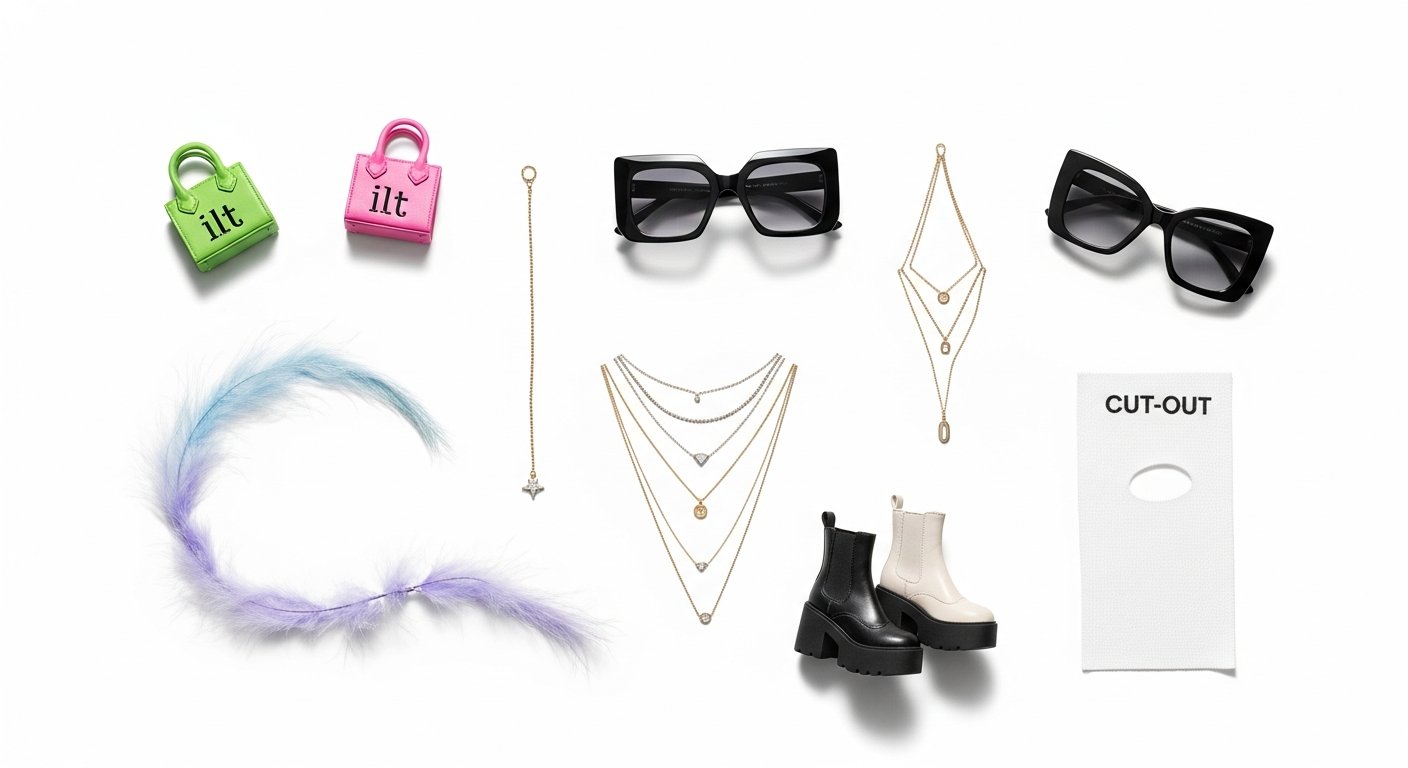
The rapid evolution of Hollywood aesthetics is primarily driven by the relentless 24/7 news cycle and the algorithmic demands of social media platforms. In the past, a star might debut a new look for a major movie premiere once or twice a year. Today, they are expected to serve distinct, highly curated outfits for press junkets, late-night talk show appearances, airport arrivals, and even casual coffee runs. This constant, high-definition visibility creates an insatiable consumer demand for novelty.
Furthermore, the recent rise of “method dressing”—where actors dress in direct homage to their film’s themes during promotional tours—has dramatically accelerated trend cycles. Zendaya’s tennis-core wardrobe for the film Challengers or Margot Robbie’s extensive, Barbie-inspired archival looks are prime examples. These thematic wardrobes force a rapid turnover of micro-trends, pushing designers to produce custom pieces at breakneck speed to keep up with the press tour schedule.
Additionally, the democratization of fashion critique via platforms like TikTok means that outfits are instantly analyzed, praised, or discarded by millions of users in real-time. To stay relevant and maintain their cultural cachet, public figures must continuously reinvent themselves, frequently collaborating with emerging avant-garde designers to avoid visual stagnation. This hyper-accelerated cycle ensures that the aesthetic landscape of the entertainment industry is always in a state of dynamic, unpredictable flux.
Categories of Public Figures and Their Stylistic Power
Different public figures wield unique types of stylistic power. Understanding the distinct categories of influence is crucial for tracking broader shifts in consumer apparel. While a musician might spark a global craze for avant-garde streetwear, a royal family member often drives immediate sell-outs of classic heritage brands. See our detailed guide on Celebrity Style Archetypes.
Music Icons and Their Signature Styles
Music evokes profound emotional resonance. Fans adopt an artist’s visual markers to physically embody that psychological connection and signal belonging to a shared subculture. Picture a sold-out stadium in 2026 where thousands of attendees arrive wearing coordinated holographic boots and fringed metallic jackets, mirroring the exact aesthetic of the headlining pop star’s latest album cycle. These artists frequently launch highly successful Celebrity Fashion Collaborations That Define Trends and Elevate Your Style, translating stage costumes into accessible retail collections.
Film and Television Character Impact
Screen wardrobes directly translate to immediate consumer demand. According to the Global Fashion Index (2026), screen-worn garments generate a 415% spike in targeted search traffic within 48 hours of a hit streaming premiere. Viewers form parasocial attachments to fictional characters. They purchase similar clothing to capture a fragment of that character’s persona or lifestyle.
Sports Stars as Style Mavericks
Athletes seamlessly merge performance wear with luxury tailoring. Their pre-game arrivals serve as impromptu runways that heavily dictate the celebrity street style fashion guide 2026. By pairing bespoke suits with limited-edition sneakers, sports figures challenge traditional sartorial boundaries and introduce niche streetwear labels to massive global audiences.
Royal Family Fashion Diplomacy
Monarchs and their relatives operate under strict protocol. They utilize clothing as a highly visible tool for international relations. This practice, known as sartorial diplomacy, involves selecting garments to subtly communicate political or cultural alliances. When a royal wears a regional designer during a foreign state visit, they offer an unparalleled global endorsement. This strategy often highlights The Visionaries Behind the Glamour: Best Celebrity Fashion Designers, granting independent creators overnight international prestige.
Adopting Star-Inspired Looks for Everyday Wear
Translating red carpet glamour into a daily wardrobe requires strategic adaptation. Fans rarely wear an exact couture replica to the grocery store. True style requires personal adaptation and an understanding of how to distill high-end concepts into wearable reality.
Decoding Runway Trends for Real Life
Consider a pop star wearing a voluminous, crystal-encrusted gown to a major 2026 award show. Fans do not wear that identical gown to the office. Instead, they extract the core motif—such as a dramatic shoulder or metallic threading—and incorporate it via a structured blazer or shimmering knit top. This extraction succeeds due to trend distillation, the process where avant-garde silhouettes are gradually modified by commercial retailers into functional, wearable garments suited for daily mobility. By isolating textures or color palettes, you capture the essence without the impracticality.
Budget-Friendly Alternatives to Designer Pieces
You do not need a millionaire’s budget to dress like an A-lister. High-street retailers that release rapid alternative collections see a massive increase in online search traffic following major industry events. Shoppers actively hunt for accessible versions of bespoke garments. Strategic thrift shopping and digital resale platforms also provide avenues to secure premium fabrics at a fraction of the original retail cost. See our detailed budget celebrity style guides for more tips.
Personalizing Celebrity Aesthetics
Adopting a famous aesthetic should never erase your individual identity. If you blindly copy an entire outfit, it often looks like a costume rather than a cohesive personal style.
Mix a highly publicized statement jacket with your favorite vintage denim. This grounds the aspirational item in your lived reality.
Ethical Sourcing and Conscious Consumption
Chasing the latest Hollywood aesthetics often leads to fast-fashion waste. Consumers must balance their desire for fresh looks with environmental responsibility. Many modern icons now champion outfit repeating and sustainable sourcing. By investing in high-quality, versatile capsule pieces inspired by timeless looks, you reduce ecological impact while maintaining a sharp, culturally relevant wardrobe.
[INLINE IMAGE 6: A side-by-side comparison showing a glamorous red carpet gown next to a practical, budget-friendly streetwear outfit inspired by the same silhouette.]
Sources & References
- Church Gibson, P. (2012). Fashion and Celebrity Culture. Berg Publishers.
- Barron, L. (2007). The Habitus of Elizabeth Hurley: Celebrity, Fashion, and Identity. Fashion Theory, 11(4), 443-461.
- Warner, H. (2014). Fashion on Television: Identity and Celebrity Culture. Bloomsbury Academic.
- Business of Fashion (BoF). (2022). The Power of Celebrity Endorsement in Modern Fashion and Consumer Behavior.