




Effective Treatment for Musculoskeletal Injuries and Conditions
Musculoskeletal injuries and conditions affect millions globally, often resulting in pain, limited mobility, and a decreased quality of life. According to data, musculoskeletal conditions are the leading contributor to disability worldwide, with low back pain alone accounting for nearly one-third of related disabilities. This highlights the need for effective and timely treatment strategies that address the broad spectrum of musculoskeletal ailments.
From initial diagnosis to post-surgery rehabilitation, each step in the treatment plan is critical for a successful recovery. Understanding the approaches to managing these conditions can guide individuals toward more informed healthcare decisions. Below, we will explore the standards of care across diagnosis, non-invasive treatments, surgical interventions, and recovery techniques.
Diagnosing Musculoskeletal Injuries: Key Steps for Effective Treatment
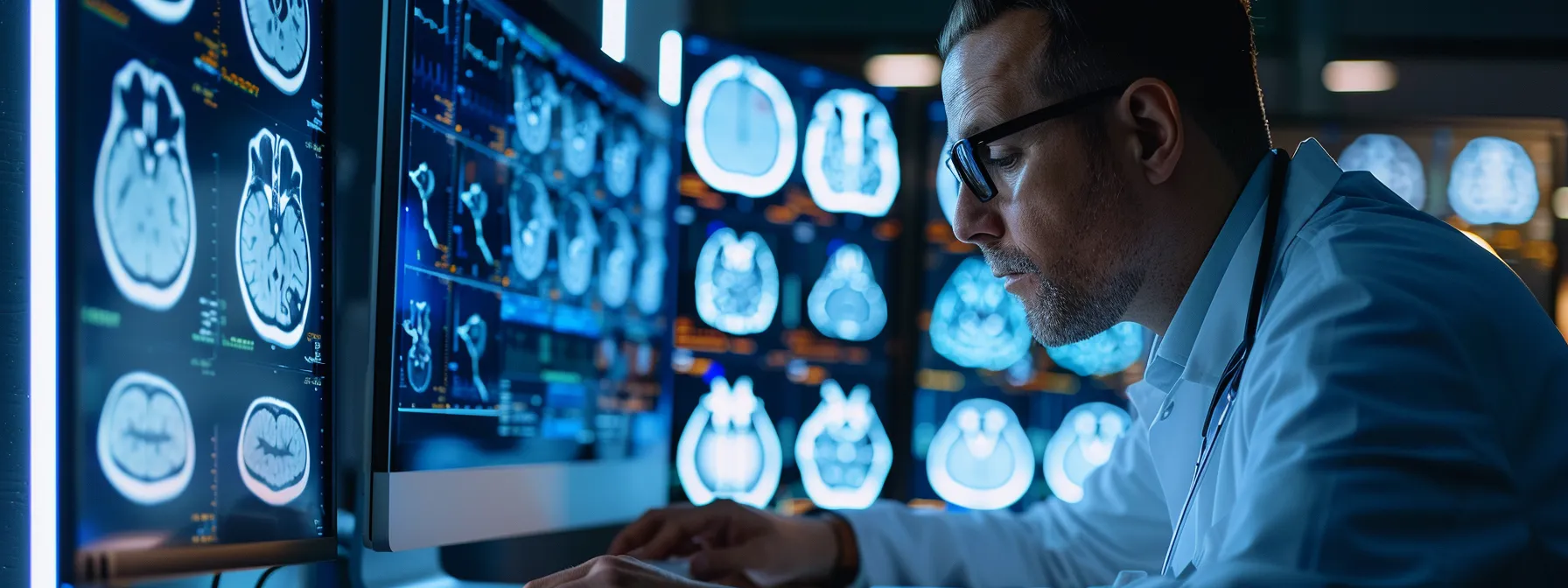
Proper diagnosis is the foundation of effective treatment for musculoskeletal injuries and conditions. A combination of physical examinations, medical imaging like X-rays or MRIs, and diagnostic tests such as blood work or electromyography helps to pinpoint the nature and extent of the injury. Early and accurate identification of the issue plays a crucial role in selecting the appropriate treatment plan.
Clinicians may look for specific signs such as inflammation, reduced range of motion, or abnormal structural appearances to ensure that the diagnosis aligns with the patient’s reported symptoms. These symptoms, paired with an individual’s medical history, can assist in identifying the source of musculoskeletal pain, whether due to acute injury or chronic conditions like arthritis.
For those seeking to understand the cause of their pain, treatment of musculoskeletal injuries and conditions often begins with a visit to an orthopedic specialist. These experts are trained to evaluate and diagnose various orthopedic issues and can provide targeted treatment options based on their findings.
Non-Invasive Therapies for Musculoskeletal Healing
Non-invasive therapies are often the first line of treatment for managing musculoskeletal injuries. Physical therapy, for instance, is shown to improve the strength and flexibility of injured areas while reducing pain. Patients may also benefit from treatments like ultrasound therapy, which can promote tissue healing and diminish discomfort.
Other non-invasive approaches include the use of medications to relieve pain, such as (NSAIDs), Non-Steroidal Anti-Inflammatory Drugs and corticosteroid injections to decrease inflammation. Moreover, lifestyle adjustments, including ergonomic changes at workstations or alterations in exercise routines, play an essential part in preventing further injury and promoting healing.
Individuals seeking non-invasive treatments should consult with healthcare professionals to tailor a conservative treatment program that aligns with their specific needs and condition. Careful planning and adherence to a prescribed therapy regimen can improve the likelihood of successful recovery without the need for surgical intervention.
Surgical Interventions in Musculoskeletal Injury Management
When non-invasive therapies do not yield the desired outcomes, surgical options may be considered. Advances in orthopedic surgery have broadened the possibilities in treating injuries and conditions that once had limited treatment prospects. For instance, arthroscopic surgery allows for minimal incisions and swifter recovery times in joint repair procedures.
Common surgical interventions for musculoskeletal injuries include joint replacement, spinal surgeries, and fracture repair. These procedures can be life-altering for patients, offering relief from chronic pain and the restoration of function in severely impaired limbs or joints. However, surgery carries inherent risks, and the decision to undergo these operations should be made in careful consultation with an orthopedic surgeon.
Patients considering surgical options can benefit from understanding both the short-term outcomes and long-term implications of the surgery. This includes discussing potential risks, recovery timelines, and the necessity for post-operative care with their healthcare provider.
Rehabilitation and Physical Therapy: Strategies for Long-Term Recovery

Following any treatment for musculoskeletal injuries, whether non-invasive or surgical, rehabilitation and physical therapy are pivotal in achieving long-term recovery. These methods help patients regain movement, rebuild strength, and return to normal activities. Therapists work closely with patients to establish personalized programs that address their unique recovery goals.
Evidence suggests that continuous and structured physical therapy post-treatment significantly improves functional outcomes and helps prevent re-injury. For those who have undergone surgery, physical therapy is particularly crucial as it facilitates the healing process and enhances the success of the surgical intervention.
Commitment to a rehabilitation program is essential, as consistent participation is directly correlated with favorable recovery outcomes. Patients should seek qualified physical therapists who can guide them through the appropriate exercises and monitor their progress throughout their recovery journey.
No linksapy options, possible surgical interventions, and dedicated rehabilitation efforts. Capitalizing on a blend of these methods offers individuals the best chance for a successful return to full mobility and a pain-free lifestyle. Navigating this journey requires collaboration with skilled healthcare professionals, patient dedication to treatment plans, and an understanding of one’s health and recovery needs.