The A-List Transformation: Decoding Celebrity Plastic Surgery Trends and Ethical Considerations

by


Celebrity Plastic Surgery Trends: Ethical Guide & Informed Choices


The A-List Transformation: Decoding Celebrity Plastic Surgery Trends and Ethical Considerations

By | Published by Celebrity-Exchange.com

The shimmering world of Hollywood and global celebrity culture has long captivated our imagination, setting benchmarks not just for fashion and lifestyle, but increasingly for beauty and aesthetics. We see our favorite stars seemingly defy aging, refine their features, and maintain an enviable glow, often sparking curiosity about the secrets behind their seemingly effortless perfection. This quest for understanding leads many to explore the dynamic landscape of celebrity plastic surgery trends. For those intrigued by the intricate relationship between A-list transformations and personal aesthetic choices, this comprehensive guide will pull back the curtain, offering an authoritative look into the evolving world of cosmetic enhancements, the procedures in vogue, and the crucial ethical considerations that underscore this transformative journey. By decoding these trends, you’ll gain valuable insights, empowering you to make informed decisions about beauty, both on and off the red carpet.

The Evolving Landscape of Celebrity Aesthetic Enhancements

For decades, cosmetic surgery among celebrities was a hushed secret, often fueling whispers and speculative tabloid headlines. Stars would disappear for a few weeks, only to reappear subtly “refreshed,” leaving the public to wonder what magic had occurred. Today, while privacy remains a concern for many, the conversation around aesthetic enhancements has significantly evolved. What was once taboo is now an increasingly normalized part of career longevity and personal confidence in the public eye, shaping and reflecting broader beauty standards.

The shift is partly driven by technological advancements. Early plastic surgery often resulted in dramatically altered, sometimes unnatural, looks. Think back to the more obvious facelifts of the mid-20th century. Modern techniques, however, emphasize subtlety and preservation of natural characteristics. Surgeons now possess a deeper understanding of facial anatomy and aging, enabling them to achieve results that enhance rather than drastically change. This focus on natural-looking outcomes has significantly reduced the stigma, allowing for more open, albeit still often veiled, discussions about procedures.

Furthermore, the demand for preventative measures has grown. Instead of waiting until significant signs of aging appear, many celebrities and the public are opting for earlier, less invasive interventions to maintain a youthful appearance. This proactive approach includes everything from regular skincare regimes bolstered by medical-grade treatments to judicious use of injectables and energy-based devices designed to stimulate collagen and improve skin texture.

The influence of global beauty ideals also plays a crucial role. As Western media permeates cultures worldwide, and conversely, as diverse beauty standards gain prominence, the array of desired aesthetic outcomes expands. What might be considered an ideal nose shape in one culture could differ vastly from another, leading to a personalized approach to enhancements rather than a one-size-fits-all model. This evolving landscape encourages individuals to consider aesthetic changes not just as a means to conform, but as a path to align their external appearance with their internal self-perception, albeit within a highly scrutinized celebrity context.

Practical Tip: When researching any aesthetic procedure, look for practitioners who prioritize natural results and show a portfolio of diverse outcomes, not just one “signature” look. This indicates a surgeon who tailors their approach to individual anatomy and desired outcome, rather than applying a universal template.

Current Hot Celebrity Plastic Surgery Trends: What’s In Vogue?

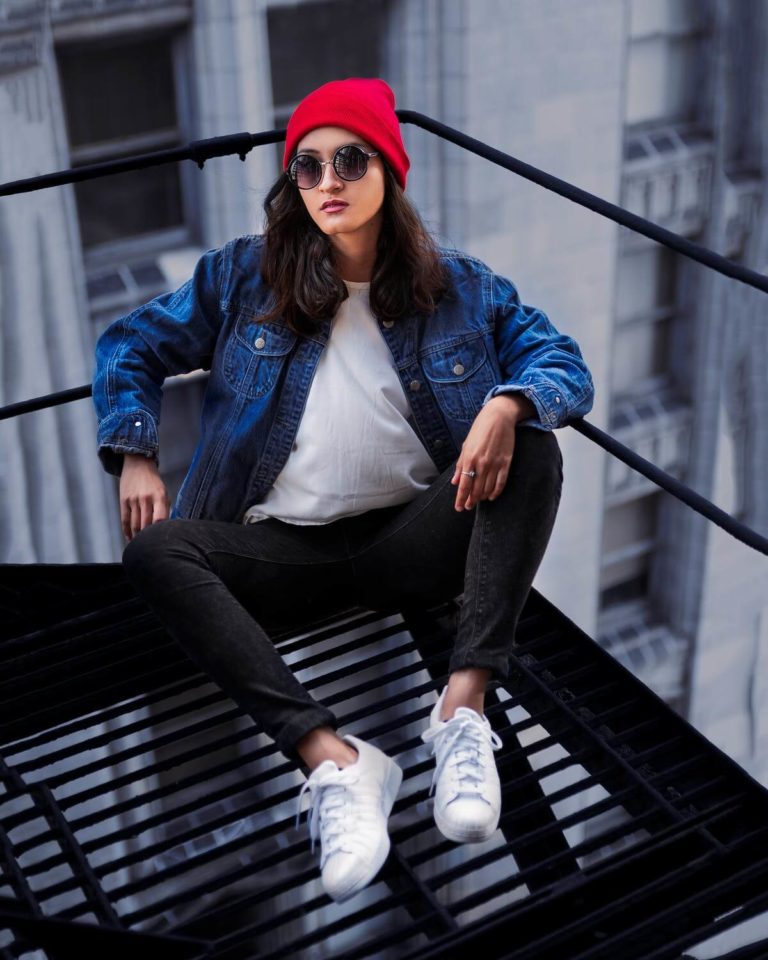
Collage showcasing various celebrity aesthetic transformations and popular plastic surgery trends.
The A-List Transformation: Decoding Celebrity Plastic Surgery Trends and Ethical Considerations — image 1

The quest for aesthetic perfection is a constant driver of innovation in cosmetic surgery, and celebrities are often at the forefront of adopting the latest and most popular procedures. Today’s most coveted celebrity plastic surgery trends lean heavily towards refinement, proportion, and often, a subtle yet impactful enhancement that avoids the “done” look of yesteryear. The goal is often to appear refreshed, sculpted, and effortlessly beautiful, rather than overtly altered.

Facial Refinements: The Era of ‘Tweakments’

On the facial front, “tweakments” are all the rage. While traditional rhinoplasty remains popular, there’s a strong trend towards preserving ethnic identity and achieving a more refined, less drastic nose shape. The “fox eye” or “cat eye” lift, achieved through a combination of thread lifts, injectables, or even minor surgical canthoplasty, aims to create an almond-shaped eye with an upward tilt at the outer corner, imparting a lifted and rejuvenated appearance. Buccal fat removal has also gained traction, designed to create a more sculpted, hollowed cheek look, emphasizing the cheekbones and jawline. Similarly, subtle lip lifts are preferred over excessively plumped lips, creating a shorter philtrum (the space between the nose and upper lip) and a more youthful, defined cupid’s bow.

Evolving Body Contouring: Beyond the BBL

Beyond the face, body contouring procedures continue to evolve. The Brazilian Butt Lift (BBL) experienced an immense surge in popularity, though with increased awareness about its safety risks, there’s a growing preference for more moderate enhancements and careful patient selection. “Mommy Makeovers” remain highly sought-after, combining procedures like breast augmentation or lift, tummy tucks, and liposuction to restore a pre-pregnancy figure. A significant trend here is the shift towards combination procedures that address multiple areas, offering a more harmonious and comprehensive transformation rather than isolated changes. For instance, liposuction is often paired with fat transfer, not just for augmentation, but also to subtly fill in depressions or improve contours in other areas, providing a very natural sculpting effect.

Data from the American Society of Plastic Surgeons (ASPS) consistently shows an increase in both surgical and non-surgical procedures, with breast augmentation, liposuction, and eyelid surgery remaining top surgical procedures. Non-surgical options like Botox and fillers continue to dominate as the most frequently performed aesthetic treatments, underscoring the desire for ongoing maintenance and less invasive options.

Practical Tip: Before committing to any procedure, thoroughly research the specific technique and its long-term implications. Discuss your aesthetic goals in detail with a board-certified plastic surgeon, ensuring they understand your vision for natural and proportionate results that align with your unique anatomy.

Beyond the Scalpel: Non-Surgical & Minimally Invasive Celebrity Procedures

While surgical enhancements continue to play a significant role, the explosion of non-surgical and minimally invasive procedures has revolutionized how celebrities approach their aesthetic maintenance. These “tweakments” offer less downtime, reduced risk, and often more subtle, gradual results, making them ideal for those with demanding schedules and a need to always look their best without obvious signs of intervention.

Neuromodulators like Botox, Dysport, and Xeomin remain the undisputed champions for smoothing dynamic wrinkles on the forehead, between the brows, and around the eyes. They are often used preventatively to slow the formation of deeper lines. Dermal fillers, primarily hyaluronic acid-based, are incredibly versatile, used to restore lost volume in cheeks and temples, enhance lips, soften nasolabial folds, and sculpt the jawline and chin. The artistry lies in their judicious application, creating natural contours and proportions rather than an overfilled appearance.

Beyond injectables, a plethora of energy-based devices offers impressive results for skin tightening, texture improvement, and body contouring. Ultherapy and Thermage use ultrasound and radiofrequency energy, respectively, to stimulate collagen production for non-surgical lifting and tightening of the face, neck, and décolletage. Morpheus8, a microneedling device combined with radiofrequency, targets deeper layers of the skin to remodel collagen and elastin, improving skin tone, texture, and laxity. Laser resurfacing (e.g., CO2, Erbium) tackles sun damage, fine lines, and acne scars, while intense pulsed light (IPL) treatments address pigmentation issues and redness.

For body sculpting without surgery, treatments like Emsculpt and CoolSculpting are popular. Emsculpt uses high-intensity focused electromagnetic (HIFEM) technology to build muscle and burn fat, while CoolSculpting uses cryolipolysis to freeze and eliminate stubborn fat cells. These non-invasive body contouring solutions appeal to celebrities looking for an extra edge in maintaining their physique without the recovery time associated with liposuction.

The appeal of these procedures lies in their ability to provide continuous, subtle improvements, making the “no-makeup makeup” look achievable and sustainable. Celebrities often incorporate these treatments into a regular beauty regimen, ensuring they always present a polished and youthful appearance. The ongoing innovation in this sector means that new, more effective, and less invasive options are continually emerging, catering to the evolving demands for preventative and restorative aesthetics.

Practical Tip: Even minimally invasive procedures carry risks. Always seek a highly qualified and experienced practitioner – ideally a board-certified dermatologist or plastic surgeon – for any injectable or energy-based treatment. Insist on a thorough consultation to discuss your suitability, potential side effects, and realistic outcomes.

The Influence of Social Media and Filter Culture on Celebrity Aesthetics

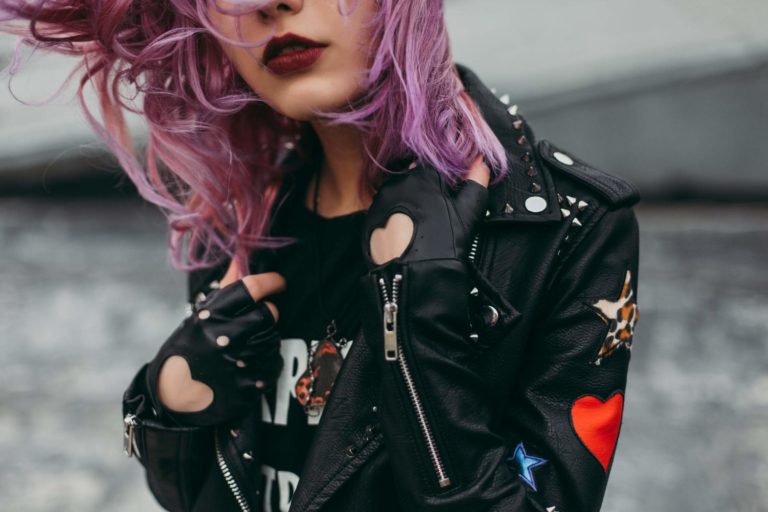
Person applying a social media filter, illustrating the impact of filter culture on celebrity beauty standards and perceptions.
The A-List Transformation: Decoding Celebrity Plastic Surgery Trends and Ethical Considerations — image 2

In the age of Instagram, TikTok, and Snapchat, social media has become an undeniable force shaping beauty ideals and influencing celebrity plastic surgery trends. Filters and editing tools, once confined to professional photographers, are now ubiquitous, allowing anyone to instantly smooth skin, slim faces, enlarge eyes, and plump lips with a tap. This digital manipulation has created an idealized, often unattainable, aesthetic that significantly impacts both celebrities and their followers.

The phenomenon of “Snapchat dysmorphia” highlights this impact, where individuals seek cosmetic procedures not to look like a celebrity, but to resemble their filtered selves. This trend places immense pressure on celebrities, who are constantly under scrutiny from high-definition cameras and the public’s insatiable desire for perfection. The need to maintain an “Instagrammable” appearance, both online and in person, fuels the demand for procedures that mimic filter effects – think “snatched” jawlines, wide “doe eyes,” and flawless, poreless skin.

Social media also acts as a powerful platform for promoting specific aesthetic procedures and clinics. Celebrities, either through paid endorsements or subtle showcases of their transformations, inadvertently (or intentionally) become trendsetters. A star’s subtly enhanced jawline might spark a widespread interest in fillers or buccal fat removal, with fans eager to emulate the look. The visual nature of platforms like Instagram means before-and-after photos, often highly curated, can go viral, further normalizing and popularizing certain procedures.

However, this constant exposure to digitally enhanced images can blur the lines between reality and fiction, leading to unrealistic expectations. Followers often compare their unfiltered selves to the seemingly perfect, filtered (and potentially surgically enhanced) images of celebrities, fostering feelings of inadequacy. The immediacy and pervasiveness of social media mean that these idealized images are not just passively consumed but actively internalized, contributing to a culture where aesthetic modifications are seen as essential for social currency and acceptance.

Practical Tip: Develop a critical eye when consuming social media content. Understand that many images are professionally lit, posed, edited, and filtered. Prioritize mental well-being over chasing fleeting digital beauty standards and remember that real beauty is diverse and authentic.

Navigating the Ethical Maze: Transparency, Body Image, and the Industry’s Role

The proliferation of celebrity plastic surgery trends brings with it a complex ethical landscape, touching upon issues of transparency, body image, and the responsibilities of the cosmetic industry. One of the central debates revolves around celebrity transparency: should public figures disclose their cosmetic procedures? While many argue it’s a private matter, others contend that non-disclosure contributes to unrealistic beauty standards, especially when celebrities attribute their “youthful glow” solely to diet and exercise.

The impact on body image is profound. When celebrities, particularly those with vast influence over younger audiences, undergo significant aesthetic changes without acknowledgment, it can perpetuate the myth of effortless perfection. This can lead to self-esteem issues, body dissatisfaction, and even body dysmorphic disorder (BDD) among impressionable individuals who strive to achieve an unattainable ideal. The pressure to conform to ever-shifting beauty norms, often driven by celebrity examples, can be immense.

The cosmetic industry also plays a significant role. Aggressive marketing tactics, often subtly leveraging celebrity endorsements or popular trends, can encourage individuals to pursue procedures without adequate consideration of the risks, costs, or psychological implications. The emphasis on quick fixes and transformative results can overshadow the importance of thorough consultations, realistic expectations, and mental health screening. There’s an ethical obligation for practitioners to prioritize patient well-being over profit, ensuring clients are psychologically prepared for cosmetic changes and have healthy motivations.

Furthermore, the glamorization of certain procedures without fully addressing their potential risks (e.g., the high complication rates associated with unregulated BBLs) poses a serious ethical concern. Patient safety must always be paramount. This includes proper licensing, sterile environments, qualified staff, and transparent communication about all aspects of a procedure.

Practical Tip: Prioritize your mental health and self-acceptance above all else. Before considering any cosmetic procedure, engage in self-reflection about your motivations. Seek therapy or counseling if you suspect underlying body image issues or perfectionistic tendencies are driving your desire for change. A truly ethical practitioner will also screen for these concerns.

The Psychological Impact: When Aspiration Meets Reality

The allure of aligning one’s appearance with the idealized images seen in media, particularly among celebrities, is a powerful motivator for undergoing cosmetic procedures. However, the psychological journey associated with celebrity plastic surgery trends is often far more complex than simply achieving a desired look. When aspiration meets reality, individuals can encounter a spectrum of emotional and psychological outcomes, ranging from enhanced self-confidence to profound disappointment.

For many, the initial motivation stems from a desire to boost self-esteem, improve career longevity (especially in appearance-driven industries), or correct features that cause significant distress. A successful procedure can indeed lead to a surge in confidence, a more positive self-image, and a feeling of alignment between internal self-perception and external appearance. This can be genuinely transformative and beneficial for mental well-being.

However, the pursuit of celebrity-level perfection can sometimes lead down a path of “chasing perfection.” What begins as a desire to correct one feature can evolve into a continuous cycle of procedures, as individuals find new “flaws” or seek to maintain an increasingly artificial appearance. This can be particularly pronounced when expectations are unrealistic, fueled by filtered images or celebrity transformations that don’t fully reveal the extent of the work involved. The psychological trap lies in believing that external changes alone can solve deeper insecurities or bring lasting happiness.

Another significant aspect is coping with less-than-ideal results or complications. No surgical or non-surgical procedure is without risk, and even in the hands of the most skilled practitioners, outcomes can sometimes fall short of expectations. Dealing with asymmetry, scarring, dissatisfaction with the new look, or even health complications can lead to anxiety, depression, regret, and significant psychological distress. The emotional burden of recovery, the financial cost, and the potential need for revision surgeries can take a heavy toll.

Furthermore, maintaining an altered image, especially one designed to defy natural aging, can create ongoing psychological pressure. The need for continuous “touch-ups” and the fear of “reverting” can lead to a state of perpetual anxiety about one’s appearance, rather than achieving peace of mind. True self-acceptance and a healthy body image often involve embracing natural changes and understanding that beauty evolves.

Practical Tip: Cultivate realistic expectations by thoroughly discussing potential outcomes, limitations, and recovery with your surgeon. Prioritize your mental and emotional well-being throughout the process. Consider counseling before and after a procedure to navigate the psychological shifts and ensure your motivations are healthy and sustainable.

Making Informed Choices: A Guide for the Savvy Consumer

Navigating the world of aesthetic enhancements, especially when influenced by captivating celebrity plastic surgery trends, requires a savvy and informed approach. For those considering any cosmetic procedure, the most crucial step is thorough research and due diligence. Your health, safety, and satisfaction hinge on making wise choices.

  1. Prioritize Board Certification: Always choose a surgeon who is board-certified in plastic surgery. This ensures they have undergone rigorous training, adhere to strict safety standards, and possess specialized expertise. Verify their credentials through official medical boards. For non-surgical procedures, ensure the practitioner is a qualified medical professional (dermatologist, plastic surgeon, or trained nurse/physician assistant supervised by a doctor).
  2. Evaluate Experience and Specialization: Look for a practitioner with extensive experience in the specific procedure you are considering. Review their portfolio of before-and-after photos, paying close attention to results that align with your desired aesthetic – natural, proportionate, and tailored to individual anatomy.
  3. Schedule Comprehensive Consultations: Do not rush this step. Schedule consultations with multiple practitioners. Come prepared with questions about the procedure itself, potential risks and complications, recovery time, costs (including potential revisions), and their approach to patient care. A good surgeon will listen attentively, provide realistic expectations, and be transparent about both benefits and drawbacks.
  4. Understand the “Why”: Engage in deep self-reflection about your motivations. Are you seeking external validation, or genuinely addressing a feature that causes you personal distress? Cosmetic procedures should enhance your life, not become the sole source of your self-worth. If your motivations stem from unrealistic comparisons or body image issues, addressing those underlying concerns with a mental health professional might be a more beneficial first step.
  5. Prioritize Safety Over Cost: While cost is a factor, never compromise on safety or quality to save money. Bargain cosmetic surgery can lead to devastating consequences, including botched results, infections, and serious health complications.
  6. Plan for Recovery and Long-Term Care: Understand that every procedure involves a recovery period, which can range from a few hours for injectables to several weeks or months for surgery. Factor this into your life. Also, consider the long-term commitment – some procedures require maintenance, and natural aging will continue regardless of interventions.

Ultimately, the goal is to make choices that align with your personal values, enhance your well-being, and prioritize your health and safety. Celebrity trends can inspire, but your unique beauty and informed decisions should always guide your aesthetic journey.

Conclusion

The world of celebrity transformations, driven by evolving celebrity plastic surgery trends, offers a fascinating lens through which to view modern beauty standards and technological advancements. From historical secrecy to today’s blend of subtle “tweakments” and comprehensive surgical enhancements, the aesthetic journey of the A-list has never been more dynamic. We’ve explored the most popular procedures, the undeniable influence of social media filters, and the critical ethical considerations surrounding transparency and body image. More importantly, we’ve delved into the profound psychological impacts, understanding that the pursuit of perfection can be a double-edged sword, leading to both immense satisfaction and potential distress.

For the savvy consumer, decoding these trends isn’t about blindly emulating celebrity looks, but rather about gaining knowledge to navigate your own aesthetic choices with wisdom and confidence. True beauty, while often enhanced by professional care, ultimately stems from a place of self-acceptance, realistic expectations, and a commitment to overall well-being. As you consider your own beauty journey, whether it involves a subtle change or a significant transformation, remember that the most beautiful outcome is one that empowers you, respects your health, and truly reflects your authentic self. Prioritize research, consult with ethical and board-certified professionals, and always choose a path that supports both your physical and psychological health. Embrace the journey of informed beauty, and let your unique radiance shine.

Frequently Asked Questions

What are the most popular current celebrity plastic surgery trends?
Current trends favor natural-looking enhancements and refinement over drastic changes. Popular procedures include subtle rhinoplasty (nose jobs), “fox eye” lifts, buccal fat removal for a more sculpted face, and precise application of dermal fillers and neuromodulators for facial contouring and wrinkle reduction. Body procedures like “Mommy Makeovers” and moderate fat transfer for body sculpting also remain highly sought after.
How has social media influenced celebrity plastic surgery trends?
Social media, with its ubiquitous filters and constant visual exposure, has significantly influenced celebrity aesthetics. It has popularized certain facial features (e.g., “snatched” jawlines, smooth skin) often seen in filters, leading to a phenomenon known as “Snapchat dysmorphia.” This platform also allows celebrities to subtly showcase results, driving interest in specific procedures and clinics, and often creating unrealistic beauty standards.
Are non-surgical procedures common among celebrities?
Yes, non-surgical and minimally invasive procedures are incredibly common among celebrities. They offer less downtime and more subtle, gradual results, ideal for maintaining a consistent appearance. Popular options include Botox and dermal fillers, thread lifts, laser resurfacing, Ultherapy, Thermage, and body contouring treatments like Emsculpt and CoolSculpting. These “tweakments” are often part of a regular beauty maintenance routine.
What are the ethical considerations surrounding celebrity plastic surgery?
Ethical concerns include the lack of transparency from celebrities about their procedures, which can contribute to unrealistic beauty standards and negative body image among the public. There’s also the industry’s responsibility to prioritize patient well-being over profit, ensuring psychological readiness, discussing risks thoroughly, and avoiding the glamorization of potentially risky procedures. Patient safety and informed consent are paramount.
What steps should I take if I’m considering a cosmetic procedure inspired by celebrity trends?
If considering a procedure, prioritize thorough research. Choose a board-certified plastic surgeon or qualified medical professional with extensive experience in your desired procedure. Schedule comprehensive consultations to discuss realistic expectations, risks, and recovery. Reflect deeply on your motivations, prioritize your health and safety over cost, and understand that individual results will vary, as your unique anatomy differs from any celebrity’s.


Search
Search
image/svg+xmlLayer 1

Contact Us