
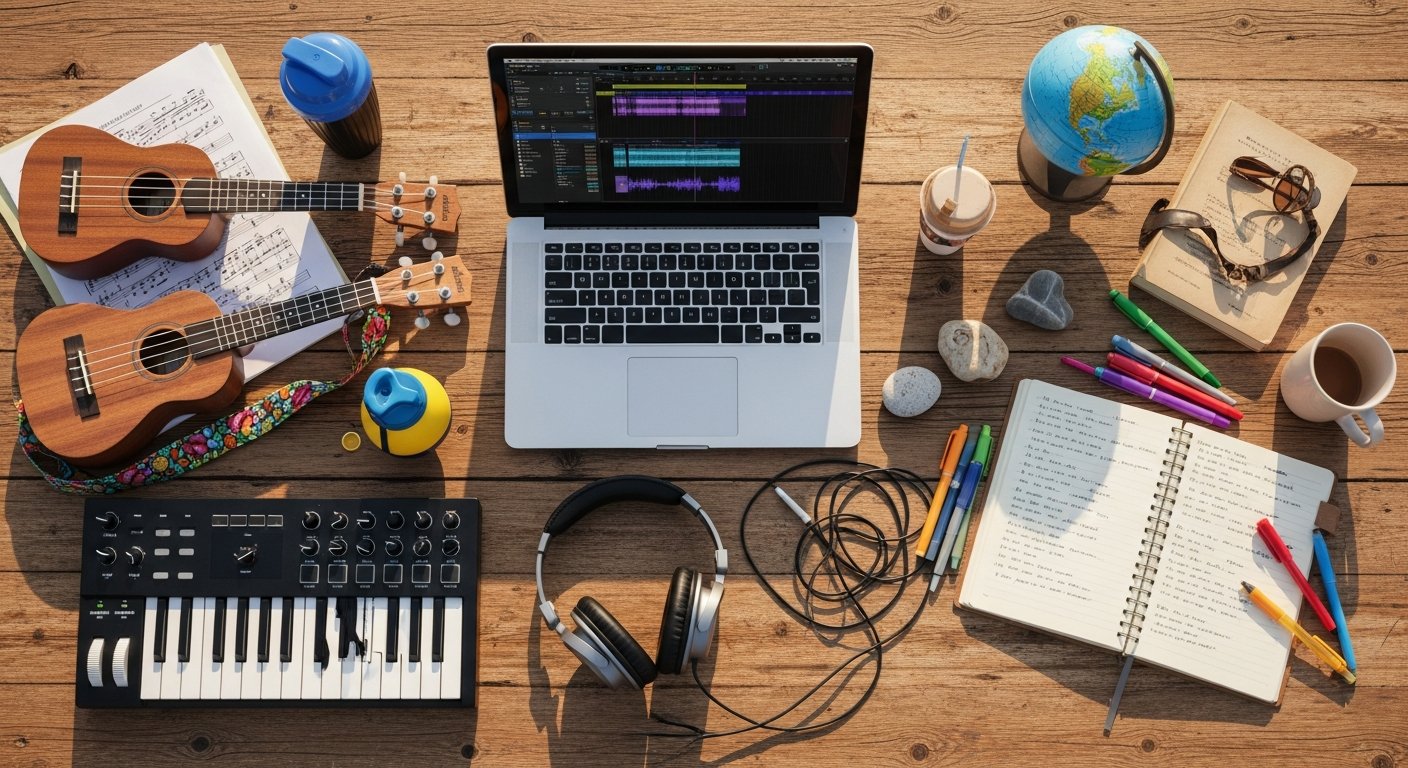



Unveiling the Magic: How Are Pop Songs Made in the Modern Era?
Affiliate disclosure: This article may contain affiliate links. Recommendations are independent and editorially driven.
Pop music. It’s the soundtrack to our lives, the catchy melody we can’t get out of our heads, the anthem that defines a generation. From the pulsating beats that fill stadium arenas to the heartfelt ballads that dominate streaming playlists, pop songs hold a unique power to unite, uplift, and evoke emotion. But have you ever stopped to wonder about the intricate journey these sonic masterpieces undertake? Beyond the polished vocals and infectious choruses lies a complex, collaborative, and often intensely creative process.
At celebrity-exchange, we’re constantly immersed in the world of pop culture, dissecting the latest trends, celebrating the biggest stars, and providing commentary on everything from red-carpet glamour to groundbreaking artistic endeavors. Today, we’re pulling back the curtain on one of the most fascinating aspects of the entertainment industry: understanding exactly how are pop songs made. It’s a journey that blends raw talent with cutting-edge technology, artistic vision with business acumen, and solitary inspiration with widespread collaboration.
In 2026, the landscape of music creation is more dynamic than ever. Technological advancements, evolving consumption habits, and a globalized sound palette have reshaped the traditional studio model. From bedroom producers creating chart-topping hits to mega-star collaborations spanning continents, the path from a nascent idea to a global sensation is multifaceted and constantly evolving. Join us as we explore every critical stage, from the initial spark of inspiration to the final, polished track that captures the hearts of millions.
The Genesis of a Hit: Ideation and Songwriting
Every pop song begins with an idea. It might be a fleeting melody humming in a songwriter’s head, a poignant lyric inspired by a personal experience, or a compelling beat conjured by a producer. This initial spark is the bedrock upon which the entire song is built, and the songwriting phase is where these raw elements begin to take shape. While some artists are singular visionaries, writing and composing all their material, the vast majority of pop hits today are born from collaborative efforts, often involving multiple songwriters, topliners, and producers working in tandem.
The Topliner’s Touch: Crafting Catchy Melodies and Hooks
A “topliner” is a specialized songwriter who focuses on creating the vocal melody and lyrics over an existing instrumental track or a rough beat provided by a producer. This role has become increasingly prevalent in modern pop, where producers often create instrumentals first, then enlist topliners to craft the catchy vocal lines that will define the song. A great topline is intuitive, memorable, and often boasts a hook that lodges itself firmly in the listener’s brain. It’s about finding that perfect melodic phrase that resonates emotionally and structurally with the underlying music.
These melodic architects are masters of earworm creation, understanding the psychology of what makes a tune unforgettable. They might spend hours, days, or even weeks experimenting with different vocal runs, note progressions, and rhythmic placements to land on the definitive hook. Many of the pop anthems we adore owe their infectiousness to the ingenuity of a skilled topliner, who can transform a compelling instrumental into a radio-ready vocal showcase. They are the sculptors of the primary vocal identity, ensuring that the song’s singability and emotional impact are maximized.
Lyric Writing: Crafting Catchy Narratives and Resonant Themes
Beyond the melody, the words are crucial. Pop lyrics, while often seemingly simple, are meticulously crafted to convey universal themes – love, heartbreak, triumph, escapism, self-discovery – in an accessible and relatable way. A lyricist’s job is to paint vivid pictures, tell compelling stories, or articulate complex emotions using concise, impactful language. The best pop lyrics are those that listeners can instantly connect with, seeing their own experiences reflected in the artist’s words.
This process often involves brainstorming sessions, delving into personal experiences, or even drawing inspiration from current events and cultural trends. Rhyme schemes, meter, and poetic devices are all employed to make the lyrics flow naturally and feel musically engaging. The goal isn’t always deep philosophical insight, but rather emotional resonance and linguistic rhythm that complement the melody. A perfectly chosen phrase can elevate a good song to a timeless classic, etching itself into the collective consciousness.
Consider the deliberate choices made in structuring verses to build anticipation for the chorus, or how a bridge can offer a momentary shift in perspective or intensify the emotional arc before returning to the main hook. This strategic approach to storytelling within a song’s framework is a hallmark of expertly written pop lyrics, ensuring every word serves a purpose in captivating the audience.
Melody Makers: The Hook that Sticks
While topliners focus on vocal melodies, the broader concept of “melody making” encompasses all melodic elements of a song – instrumental hooks, synth lines, guitar riffs, and the underlying harmonic progressions. The melody is arguably the most recognizable part of a pop song; it’s what you hum, whistle, and remember long after the track has ended. Melodic invention requires a strong grasp of music theory, an intuitive ear, and a knack for creating sequences of notes that evoke specific feelings.
Songwriters often collaborate closely with producers during this phase, experimenting with different chord progressions and instrumental arrangements to find the perfect sonic bed for the vocal melody. The interplay between vocal and instrumental melodies is critical, ensuring they complement each other without clashing. Sometimes, an instrumental hook is so powerful it becomes the song’s primary identifier, driving its appeal as much as the vocal. The ability to craft a truly sticky melody is an art form in itself, demanding both creativity and an understanding of musical universalities.
From Demo to Masterpiece: Production & Arrangement
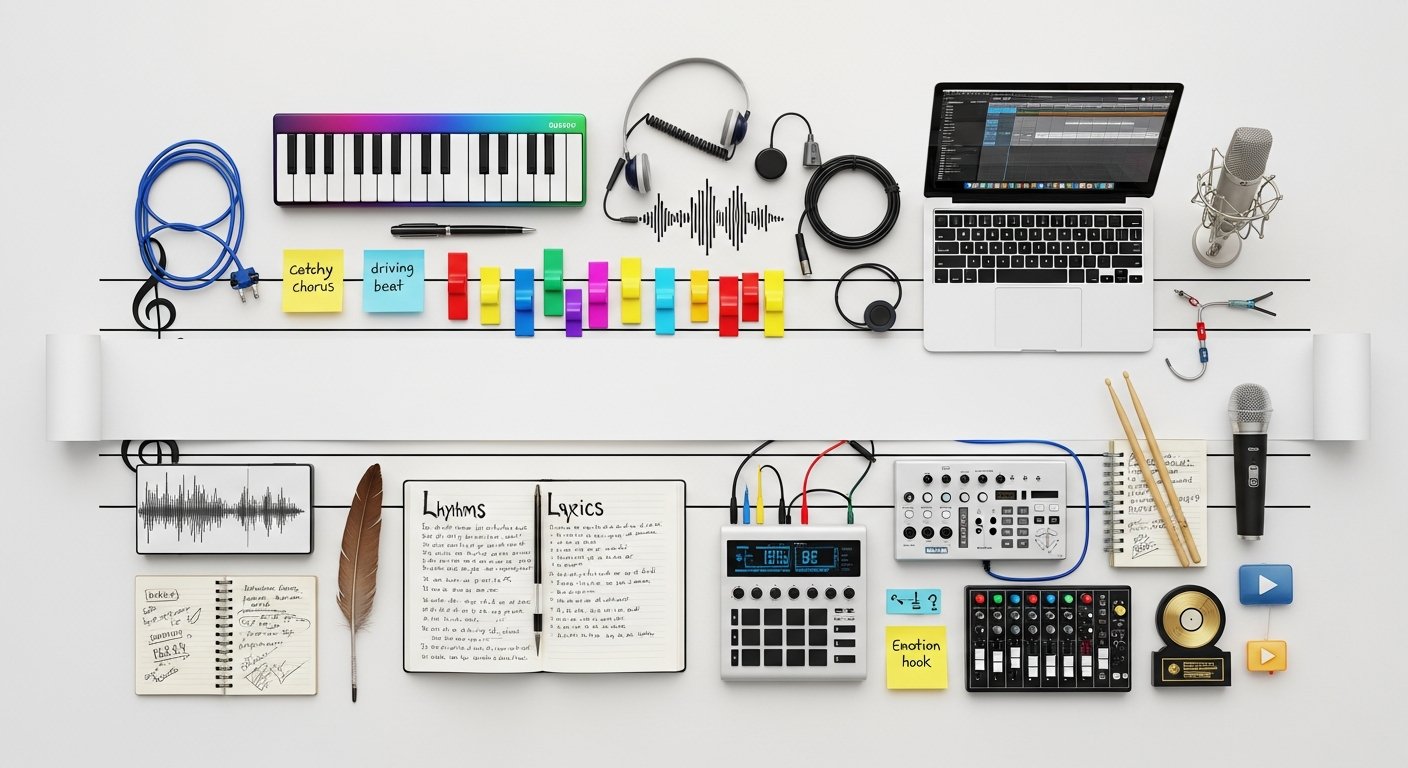
Once the core elements – melody, lyrics, and basic chords – are established, the song moves into the production phase. This is where the skeletal idea begins to gain flesh, muscle, and a distinct personality. The producer, often seen as the “director” of the song, takes charge, guiding the creative vision and overseeing every sonic detail. This stage is a complex blend of musical artistry, technical expertise, and an acute understanding of current pop trends.
The Role of the Modern Pop Producer
The modern pop producer is far more than just a sound engineer; they are often co-writers, arrangers, instrumentalists, and even vocal coaches. They are responsible for shaping the song’s overall sound, mood, and energy. This involves making crucial decisions about tempo, key, instrumentation, rhythm, and dynamics. A good producer can identify a song’s potential and elevate it, bringing out the best in the artists and the material.
Their toolkit includes an extensive knowledge of music software (DAWs like Ableton Live, Logic Pro, Pro Tools, FL Studio), synthesizers, drum machines, and vocal processing techniques. They are adept at creating sonic textures, layering sounds, and building intricate arrangements that keep listeners engaged. Many pop producers have their signature sound, which can become as recognizable as the artists they work with, influencing trends across the industry. They are the architects who translate the raw emotional content of a song into a polished, commercially viable product.
Instrumentation & Sound Design: Building the Sonic Landscape
This is where the song truly comes alive, as the producer and sometimes session musicians add layers of instrumentation. This might involve synthesizers creating ethereal pads or punchy basslines, programmed drums laying down a precise beat, or live instruments like guitars, pianos, and strings adding organic texture. Sound design, a critical aspect of modern pop, involves crafting unique sounds from scratch or manipulating existing samples to create specific sonic moods and characteristics.
The choice of instruments and sounds is paramount to defining the song’s genre and emotional impact. A vibrant synth lead might define an upbeat dance-pop track, while a sparse piano arrangement could underscore a poignant ballad. Producers painstakingly select and layer sounds, ensuring each element contributes to the overall narrative and sonic cohesion without cluttering the mix. This stage is a delicate balancing act of creativity and technical precision, building a rich aural environment that captivates the listener.
[INLINE IMAGE 1: place after second H2 | alt=”how are pop songs made concept illustration”]
Recording Vocals: Capturing the Star’s Essence
The lead vocal is often the heart of a pop song, carrying the melody and delivering the lyrics with emotion and conviction. Recording vocals is a highly specialized process, aiming to capture the artist’s best performance. This involves selecting the right microphone for the vocalist’s voice, ensuring optimal acoustics in the recording booth, and coaching the singer to deliver their most compelling rendition.
Multiple takes are common, with producers and engineers meticulously compiling the best phrases and words to create a “comp” track – a seamless composite of the finest vocal moments. Beyond raw performance, extensive vocal processing is standard in pop. This can include auto-tune for pitch correction, compression to ensure consistent volume, equalization to shape the tone, and various effects like reverb and delay to add spatial depth and character. The goal is a pristine, powerful, and emotionally resonant vocal performance that sounds perfect on any playback system. This dedication to vocal perfection is a cornerstone of the pop genre, ensuring the artist’s message is delivered with maximum impact.
Beat Making & Rhythm Section: The Groove Foundation
The beat and rhythm section form the foundational groove of almost any pop song. Whether it’s a meticulously programmed drum machine, a live drummer, or a hybrid approach, the rhythmic elements dictate the song’s pulse and energy. Producers spend considerable time crafting beats that are not only catchy but also propel the song forward and make people want to move.
Basslines, whether synth-driven or played on a bass guitar, work in tandem with the drums to create the rhythmic and harmonic backbone. A well-crafted bassline can add depth, power, and groove, filling out the low-end frequencies and making the song feel full and impactful. The interplay between kick, snare, hi-hats, and bass is crucial for establishing the song’s genre identity and its danceability factor. This careful construction of the rhythm section ensures the song has a solid, irresistible foundation.
The Polish: Mixing and Mastering
After all the individual tracks – vocals, instruments, beats, effects – have been recorded and arranged, the song enters its final, crucial stages: mixing and mastering. These are specialized disciplines, often handled by engineers distinct from the producer, though some producers also mix their own tracks. This is where the song transitions from a collection of sounds into a cohesive, balanced, and commercially ready piece of audio.
The Art of Mixing: Balancing Elements
Mixing is the process of blending all the individual tracks of a recording into a stereo file, ensuring that every element sits perfectly in the sonic landscape. The mixing engineer’s job is to create clarity, depth, and balance. This involves adjusting volumes, panning sounds across the stereo field (left to right), and applying various audio effects to enhance each track.
Key tools in a mixing engineer’s arsenal include equalization (EQ) to shape the tone of instruments, compression to control dynamics, reverb and delay to add space and ambience, and saturation to add warmth or grit. The goal is to make every instrument and vocal shine without competing with each other, creating a rich, immersive listening experience. A well-mixed track sounds clean, powerful, and engaging, guiding the listener’s ear through the song’s various layers and emotional shifts. It requires a keen ear, technical mastery, and an understanding of how sound interacts in a three-dimensional space.
Mastering: The Loudness Wars and Sonic Consistency
Mastering is the final step in audio post-production. It’s the last chance to refine the sound before distribution. The mastering engineer takes the stereo mixdown and applies a final layer of processing to optimize it for various playback systems (radio, streaming, vinyl, etc.) and to ensure it competes sonically with other commercially released music. This involves subtle but critical adjustments to overall loudness, tonal balance, and stereo imaging.
Historically, the “loudness wars” pushed engineers to make tracks as loud as possible to stand out. While this trend has somewhat stabilized with the advent of loudness normalization on streaming platforms, mastering still ensures a track has impact and sonic consistency. A master engineer will use tools like multiband compressors, limiters, and sophisticated EQs to give the song its final sheen, ensuring it sounds punchy, clear, and professional, ready for prime time. They act as the final quality control, ensuring the song translates flawlessly across all listening environments and competes effectively in the global pop market.
The Business Behind the Beat: Industry Dynamics
Creating a great pop song is only half the battle. For it to become a global phenomenon, it must navigate the complex machinery of the music industry. This involves strategic planning, significant investment, and the coordinated efforts of many professionals beyond the studio walls. Understanding these dynamics is key to appreciating the full journey of how pop songs are made into cultural touchstones.
A&R and Label Involvement
Artist and Repertoire (A&R) representatives are the talent scouts and creative liaisons for record labels. Their job is to discover new artists, cultivate their talent, and connect them with the right songwriters and producers. Once an artist is signed or a project is greenlit, A&R managers often guide the creative direction of the music, providing feedback on song choices, production styles, and even lyrical themes. They act as the bridge between the artistic vision and the commercial viability sought by the label.
Record labels provide the financial backing and infrastructure necessary to produce, market, and distribute music on a large scale. They invest in recording studio time, producer fees, marketing campaigns, and tour support. In return, they own a share of the music’s rights and revenue. While independent artists have more avenues for self-release today, major labels still play a dominant role in pushing artists to global superstardom, thanks to their vast networks and resources.
Copyrights, Royalties, and Publishing
Every piece of music has inherent intellectual property. Understanding copyrights, royalties, and publishing is fundamental to the business side of how pop songs are made. A song typically has two main copyrights: one for the musical composition (melody, lyrics) and one for the sound recording (the master recording). Songwriters, composers, and publishers own the former, while record labels (or independent artists) own the latter.
Royalties are payments made to rights holders for the use of their music. These come from various sources: mechanical royalties (for physical sales, downloads, and interactive streams), performance royalties (for public broadcasts, radio play, and live performances), and sync royalties (when music is used in film, TV, or advertising). Publishing companies administer the rights to compositions, licensing them out and collecting royalties on behalf of songwriters. This complex ecosystem ensures that creators and rights holders are compensated for their work, funding future artistic endeavors.
[INLINE IMAGE 2: place after fourth H2 | alt=”how are pop songs made comparison illustration”]
Artist Development & Branding
For a pop song to truly soar, it often needs a captivating artist to deliver it. Artist development is a comprehensive process that goes hand-in-hand with song creation. It involves honing an artist’s performance skills, refining their visual aesthetic, developing their personal brand, and crafting their public persona. This holistic approach ensures that the artist is not just a singer but a complete package – an icon who can command attention and build a loyal fanbase.
Branding extends to everything from album artwork and music video concepts to social media presence and fashion choices. For a celebrity-exchange reader, the connection between a star’s image and their music is undeniable. A cohesive brand enhances the message of the music, making the artist and their songs more memorable and marketable. This strategic cultivation of an artist’s image is a critical component in ensuring their music achieves widespread impact and longevity in the fiercely competitive pop landscape. Learn more about how celebrity branding shapes music careers.
The Collaborative Ecosystem: Who’s in the Room?
While we often associate a pop song with a single artist, the reality is that a vast team of talented individuals typically contribute to its creation. The modern pop studio is a melting pot of creativity, expertise, and specialized skills. Understanding this collaborative ecosystem helps demystify how pop songs are made and highlights the collective effort behind every chart-topping hit.
Songwriters, Producers, and Engineers
As discussed, songwriters lay the lyrical and melodic foundation, often working in “camps” or specialized writing sessions. Producers then take these raw ideas and sculpt them into full-fledged productions, making crucial decisions about arrangement, instrumentation, and overall sonic identity. Engineers (recording, mixing, and mastering) are the technical wizards who ensure the sound quality is impeccable at every stage.
These roles frequently overlap; a producer might also be a skilled songwriter, and an engineer might offer creative input on arrangement. The best collaborations are synergistic, with each individual bringing their unique strengths to enhance the final product. Trust and clear communication are paramount, as the team works towards a shared vision for the song’s impact and appeal.
Session Musicians and Vocalists
While electronic production is prevalent, many pop songs still benefit from the nuanced artistry of session musicians. Guitarists, bassists, drummers, pianists, and string players can add organic textures, virtuosic solos, or subtle embellishments that elevate a track. These musicians are often highly skilled professionals who can quickly adapt to various styles and interpret a producer’s vision with precision and flair.
Similarly, backing vocalists play a vital role, adding harmonies, ad-libs, and vocal layers that enrich the lead vocal. They contribute to the song’s depth and often provide those memorable “oohs” and “aahs” that become iconic. Their ability to blend seamlessly with the lead artist’s voice and contribute to the overall emotional landscape is invaluable. The uncredited contributions of these artists are a testament to the collaborative nature of the industry.
The Executive Team: Managers, Publicists, and More
Beyond the creative core, an executive team works tirelessly to manage the artist’s career and promote the music. Artist managers oversee all aspects of a celebrity’s professional life, from booking studio time and tours to negotiating contracts and coordinating with labels. Publicists craft media narratives, secure press coverage, and manage public relations, crucial for building and maintaining an artist’s profile.
Lawyers handle legal agreements, agents book performances, and marketing teams devise strategies for reaching audiences. This extensive network of professionals ensures that once a song is created, it has the best possible chance to reach its full potential, transforming from a studio recording into a cultural phenomenon. Their behind-the-scenes work is just as integral to the success of a pop song as the music itself. For insights into the power players, check out our piece on who really calls the shots in the music industry.
To further illustrate the diverse roles involved, here’s a comparison of key contributors and their primary responsibilities in the making of a pop song:
| Role | Primary Responsibilities | Key Contribution to Song |
|---|---|---|
| Songwriter/Topliner | Develops melodies, lyrics, chord progressions. | Core idea, emotional narrative, catchy hooks. |
| Producer | Oversees recording, arrangement, sonic vision; selects sounds. | Overall sound, genre identity, track structure. |
| Recording Engineer | Operates recording equipment, optimizes acoustics. | Captures high-quality audio performances. |
| Mixing Engineer | Balances all tracks, applies effects, creates clarity. | Sonic cohesion, depth, and overall balance. |
| Mastering Engineer | Finalizes loudness, tonal balance, prepares for distribution. | Commercial readiness, sonic impact, consistency. |
| Session Musician | Plays instruments (guitar, bass, drums, keys) as needed. | Adds organic texture, instrumental solos, rhythmic foundation. |
| A&R Representative | Discovers talent, guides creative direction, liaises with artists. | Talent acquisition, creative input, industry connections. |
| Artist Manager | Manages career, negotiations, logistics, strategic planning. | Career trajectory, business development, artist protection. |
Trends and Technology Shaping Pop in 2026
The music industry is in a constant state of flux, driven by technological innovation and shifting cultural landscapes. In 2026, several key trends and technological advancements are significantly influencing how pop songs are made, pushing the boundaries of creativity and accessibility.
AI in Music Production: A Helping Hand or a Threat?
Artificial Intelligence (AI) is rapidly emerging as a powerful tool in music production. AI-powered software can assist with various aspects, from generating melodic ideas and chord progressions to creating drum patterns and even mixing advice. Some programs can analyze existing music to generate tracks in a similar style, offering producers a vast wellspring of inspiration or a shortcut for certain elements.
While AI offers incredible efficiency and opens new creative avenues, its role is a topic of much debate. Concerns exist around originality, copyright ownership for AI-generated elements, and the potential displacement of human musicians. However, many view AI as a sophisticated tool that augments human creativity rather than replaces it, allowing artists and producers to experiment more freely and streamline tedious tasks. The future will likely see a symbiotic relationship where human ingenuity guides AI’s capabilities, pushing the boundaries of what’s possible in sound design and composition. Delve deeper into the ethical considerations of AI’s impact on celebrity content creation.
Social Media’s Role in Breaking Hits
Social media platforms like TikTok, Instagram, and YouTube are no longer just promotional channels; they are often the launchpad for breaking new artists and songs. A catchy snippet, a viral dance challenge, or a trending soundbite can catapult an unknown track to global recognition overnight. This organic, user-driven virality has democratized music discovery, giving artists a direct route to audience engagement.
Producers and artists are increasingly creating music with social media in mind, crafting “shareable moments” or highly loopable sections that are perfectly suited for short-form video content. The immediacy and global reach of these platforms mean that a song’s trajectory can be heavily influenced by its performance in the digital social sphere, making social media strategy an integral part of how pop songs are made and promoted in the modern era.
Genre Fluidity and Global Influences
The rigid boundaries between musical genres are increasingly blurring. Pop music in 2026 is a vibrant mosaic of influences, seamlessly blending elements of R&B, hip-hop, electronic dance music, Latin rhythms, Afrobeats, K-Pop, and indie sounds. This genre fluidity reflects a globalized music culture where artists and listeners are exposed to a wider array of sounds than ever before.
Producers and songwriters are constantly experimenting with these hybrid sounds, creating unique sonic palettes that defy easy categorization. This cross-pollination leads to innovative, fresh, and often unexpected pop hits that appeal to diverse audiences worldwide. The global exchange of musical ideas is enriching the pop landscape, making it more dynamic, inclusive, and exciting than ever before. This trend showcases the interconnectedness of global pop culture, a topic we often explore at celebrity-exchange.
The Journey from Studio to Stardom: Release and Promotion
Once a pop song is meticulously crafted, mixed, and mastered, the next critical phase begins: bringing it to the world. This involves strategic planning, widespread distribution, and compelling marketing efforts to ensure the song reaches its target audience and becomes a commercial success. The path from the studio to global stardom is a carefully orchestrated campaign.
Marketing and Promotion Strategies
Before a song even drops, a comprehensive marketing strategy is typically in place. This includes developing a release schedule, creating compelling visual assets (album art, press photos), and crafting a narrative around the song and artist. Publicists work to secure interviews, reviews, and features in major media outlets, while digital marketing teams run campaigns across social media, search engines, and streaming platforms.
Teaser campaigns, pre-save links, and strategic leaks are often used to build anticipation. The goal is to generate buzz and ensure that when the song is officially released, it already has an audience eagerly waiting. Effective marketing can transform a great song into a cultural moment, amplifying its reach far beyond core fans. The interplay of music and strategic publicity is a cornerstone of celebrity success.
Radio Play, Streaming, and Playlisting
Despite the rise of streaming, radio remains a powerful gatekeeper for pop music, particularly in terms of broad mainstream exposure. Securing radio airplay can significantly boost a song’s visibility and help it climb the charts. Radio promoters work tirelessly to get tracks added to rotation on key stations.
However, streaming services like Spotify, Apple Music, and Amazon Music are arguably the most dominant force in music consumption today. A crucial part of a song’s success hinges on its inclusion in popular curated playlists, both editorial (managed by the platforms) and user-generated. Getting a track on a major playlist can expose it to millions of listeners, turning it into a viral sensation. Artists and labels often invest heavily in “playlist pitching” strategies to maximize their chances. The ecosystem of streaming is intricate, and understanding its nuances is vital for modern pop success.
Music Videos and Visual Storytelling
In the digital age, a compelling music video is almost as important as the song itself. Music videos serve as powerful visual extensions of a song’s narrative and emotional content, allowing artists to express their creativity through a different medium. From elaborate, high-budget productions featuring intricate choreography and stunning cinematography to more intimate, narrative-driven pieces, a great music video can amplify a song’s impact and become a cultural talking point in its own right.
Platforms like YouTube and Vevo are essential for video distribution, often acting as a primary discovery channel for many listeners. A successful music video can go viral, generating millions of views and further cementing the song’s place in popular culture. It provides an immersive experience that deepens the listener’s connection to the artist and the music, proving that for pop, seeing is often believing.
The Enduring Magic of Pop: Why It Resonates
After dissecting the intricate processes of how pop songs are made, it’s worth reflecting on why this genre continues to captivate audiences worldwide. What is it about pop music that allows it to transcend boundaries, evoke powerful emotions, and become an indelible part of our collective cultural consciousness?
The Psychology of a Catchy Tune
Pop music is expertly engineered to be catchy. This isn’t accidental; it’s a result of psychological principles applied to musical composition. Repetition, often in the form of a memorable chorus or hook, is a key factor. Our brains are wired to recognize and enjoy patterns, and a predictable yet engaging melody provides a sense of comfort and familiarity. Furthermore, pop songs often employ common musical scales and chord progressions that are naturally pleasing to the human ear.
The emotional arc of pop songs is also meticulously crafted. They often build tension in the verses, release it triumphantly in the chorus, and offer a moment of reflection in the bridge. This structure creates a satisfying emotional journey for the listener, drawing them in and leaving them with a sense of fulfillment. The tempo, rhythm, and lyrical themes are all chosen to elicit specific feelings – joy, sadness, excitement, or empowerment – making pop music a powerful tool for emotional connection.
Pop as a Cultural Mirror
Beyond its inherent musicality, pop music often serves as a mirror reflecting the prevailing cultural attitudes, social trends, and shared experiences of a generation. The themes explored in pop songs – whether it’s navigating personal relationships, celebrating individuality, or commenting on societal issues – resonate with listeners because they speak to the present moment.
Artists often draw inspiration from their surroundings, their personal lives, and the broader cultural conversation, distilling complex ideas into accessible and relatable musical expressions. This makes pop music a dynamic art form that constantly evolves alongside society, offering a sonic chronicle of our times. As we explore at celebrity-exchange, understanding how pop culture impacts celebrity influence is crucial to appreciating its enduring power.
From fashion to politics, from technology to social justice movements, pop songs absorb and reflect the zeitgeist, providing a soundtrack to our shared human experience. This ability to capture the essence of an era, while simultaneously offering an escape, is a fundamental reason for its widespread and enduring appeal. The most iconic pop songs aren’t just great tunes; they’re cultural artifacts that tell us something profound about ourselves and the world we live in.
Conclusion: The Symphony of Creativity and Strategy
The journey of how pop songs are made is a captivating testament to human creativity, technological innovation, and strategic collaboration. What often seems like an effortless, spontaneous creation is, in fact, the culmination of countless hours of writing, producing, engineering, and strategizing by a diverse team of dedicated professionals.
From the initial spark of an idea in a songwriter’s mind to the meticulously mixed and mastered track hitting global airwaves and streaming platforms, every stage is critical. The pop music industry in 2026 is a vibrant ecosystem where artistic vision merges with commercial acumen, where digital tools empower new forms of expression, and where a single viral moment can launch a global superstar. It’s a world where the intimate confession of a lyric can become a universal anthem, and a simple beat can move millions.
At celebrity-exchange, we celebrate not just the stars who perform these anthems, but the entire village of talent behind the scenes. Understanding the complexity of how pop songs are made only deepens our appreciation for the magic they bring into our lives. It’s a reminder that true artistry, especially in the realm of pop, is a collaborative symphony – a blend of raw talent, relentless hard work, and an unyielding passion for creating the soundtrack to our ever-evolving world.
Frequently Asked Questions
Q1: How long does it typically take to make a pop song from start to finish?
A1: The timeline for making a pop song can vary dramatically. Some songs might be written and produced in a matter of days or weeks, especially if artists and producers are working intensely in a “camp” setting. Other songs might gestate for months, with multiple revisions to lyrics, melodies, and production. The recording, mixing, and mastering phases usually add several weeks or even a couple of months. Overall, a polished pop song ready for release could take anywhere from one month to over a year, depending on the complexity, collaboration, and various industry timelines.
Q2: Do most pop stars write their own songs?
A2: While some pop stars are prolific songwriters who write all or most of their material, it’s very common in the pop genre for artists to collaborate with or even solely record songs written by professional songwriters and topliners. The focus in pop is often on the artist’s performance, image, and ability to deliver a hit song, regardless of who penned the lyrics or melody. Many successful pop artists have a team of writers and producers who contribute to their albums.
Q3: What software do pop producers use to make songs?
A3: Pop producers use a variety of Digital Audio Workstations (DAWs) to create music. Some of the most popular DAWs in the pop world include Ableton Live (known for its live performance capabilities and intuitive workflow), Logic Pro X (popular among Mac users for its comprehensive features), Pro Tools (an industry standard for recording and mixing), and FL Studio (favored by many for beat making and electronic music production). Alongside DAWs, producers use countless plugins for synthesizers, drum machines, effects, and virtual instruments.
Q4: How important is the chorus in a pop song?
A4: The chorus is arguably the most important element of a pop song. It’s typically the most memorable, catchy, and emotionally impactful part of the track – the “hook” that listeners remember and sing along to. A strong chorus often contains the song’s main message and melodic theme. Producers and songwriters spend significant effort perfecting the chorus, ensuring it stands out and has maximum impact, as it’s often the part that determines a song’s commercial success and longevity.
Q5: Can an independent artist make a hit pop song without a major record label?
A5: Yes, absolutely! While major record labels still offer significant resources and infrastructure, the digital age has democratized music creation and distribution. Independent artists can record, produce, mix, and master their music (or hire professionals) and then distribute it globally through digital distributors like DistroKid, TuneCore, or CD Baby. Social media platforms, especially TikTok, have become powerful tools for independent artists to gain viral traction and break through without traditional label backing. While challenging, achieving a hit as an independent artist is increasingly possible.
Unveiling the Magic: How Are Pop Songs Made in the Modern Era?
Affiliate disclosure: This article may contain affiliate links. Recommendations are independent and editorially driven.
Pop music. It’s the soundtrack to our lives, the catchy melody we can’t get out of our heads, the anthem that defines a generation. From the pulsating beats that fill stadium arenas to the heartfelt ballads that dominate streaming playlists, pop songs hold a unique power to unite, uplift, and evoke emotion. But have you ever stopped to wonder about the intricate journey these sonic masterpieces undertake? Beyond the polished vocals and infectious choruses lies a complex, collaborative, and often intensely creative process.
At celebrity-exchange, we’re constantly immersed in the world of pop culture, dissecting the latest trends, celebrating the biggest stars, and providing commentary on everything from red-carpet glamour to groundbreaking artistic endeavors. Today, we’re pulling back the curtain on one of the most fascinating aspects of the entertainment industry: understanding exactly how are pop songs made. It’s a journey that blends raw talent with cutting-edge technology, artistic vision with business acumen, and solitary inspiration with widespread collaboration.
In 2026, the landscape of music creation is more dynamic than ever. Technological advancements, evolving consumption habits, and a globalized sound palette have reshaped the traditional studio model. From bedroom producers creating chart-topping hits to mega-star collaborations spanning continents, the path from a nascent idea to a global sensation is multifaceted and constantly evolving. Join us as we explore every critical stage, from the initial spark of inspiration to the final, polished track that captures the hearts of millions.
The Genesis of a Hit: Ideation and Songwriting
Every pop song begins with an idea. It might be a fleeting melody humming in a songwriter’s head, a poignant lyric inspired by a personal experience, or a compelling beat conjured by a producer. This initial spark is the bedrock upon which the entire song is built, and the songwriting phase is where these raw elements begin to take shape. While some artists are singular visionaries, writing and composing all their material, the vast majority of pop hits today are born from collaborative efforts, often involving multiple songwriters, topliners, and producers working in tandem.
The Topliner’s Touch: Crafting Catchy Melodies and Hooks
A “topliner” is a specialized songwriter who focuses on creating the vocal melody and lyrics over an existing instrumental track or a rough beat provided by a producer. This role has become increasingly prevalent in modern pop, where producers often create instrumentals first, then enlist topliners to craft the catchy vocal lines that will define the song. A great topline is intuitive, memorable, and often boasts a hook that lodges itself firmly in the listener’s brain. It’s about finding that perfect melodic phrase that resonates emotionally and structurally with the underlying music.
These melodic architects are masters of earworm creation, understanding the psychology of what makes a tune unforgettable. They might spend hours, days, or even weeks experimenting with different vocal runs, note progressions, and rhythmic placements to land on the definitive hook. Many of the pop anthems we adore owe their infectiousness to the ingenuity of a skilled topliner, who can transform a compelling instrumental into a radio-ready vocal showcase. They are the sculptors of the primary vocal identity, ensuring that the song’s singability and emotional impact are maximized.
Lyric Writing: Crafting Catchy Narratives and Resonant Themes
Beyond the melody, the words are crucial. Pop lyrics, while often seemingly simple, are meticulously crafted to convey universal themes – love, heartbreak, triumph, escapism, self-discovery – in an accessible and relatable way. A lyricist’s job is to paint vivid pictures, tell compelling stories, or articulate complex emotions using concise, impactful language. The best pop lyrics are those that listeners can instantly connect with, seeing their own experiences reflected in the artist’s words.
This process often involves brainstorming sessions, delving into personal experiences, or even drawing inspiration from current events and cultural trends. Rhyme schemes, meter, and poetic devices are all employed to make the lyrics flow naturally and feel musically engaging. The goal isn’t always deep philosophical insight, but rather emotional resonance and linguistic rhythm that complement the melody. A perfectly chosen phrase can elevate a good song to a timeless classic, etching itself into the collective consciousness.
Consider the deliberate choices made in structuring verses to build anticipation for the chorus, or how a bridge can offer a momentary shift in perspective or intensify the emotional arc before returning to the main hook. This strategic approach to storytelling within a song’s framework is a hallmark of expertly written pop lyrics, ensuring every word serves a purpose in captivating the audience.
Melody Makers: The Hook that Sticks
While topliners focus on vocal melodies, the broader concept of “melody making” encompasses all melodic elements of a song – instrumental hooks, synth lines, guitar riffs, and the underlying harmonic progressions. The melody is arguably the most recognizable part of a pop song; it’s what you hum, whistle, and remember long after the track has ended. Melodic invention requires a strong grasp of music theory, an intuitive ear, and a knack for creating sequences of notes that evoke specific feelings.
Songwriters often collaborate closely with producers during this phase, experimenting with different chord progressions and instrumental arrangements to find the perfect sonic bed for the vocal melody. The interplay between vocal and instrumental melodies is critical, ensuring they complement each other without clashing. Sometimes, an instrumental hook is so powerful it becomes the song’s primary identifier, driving its appeal as much as the vocal. The ability to craft a truly sticky melody is an art form in itself, demanding both creativity and an understanding of musical universalities.
From Demo to Masterpiece: Production & Arrangement
Once the core elements – melody, lyrics, and basic chords – are established, the song moves into the production phase. This is where the skeletal idea begins to gain flesh, muscle, and a distinct personality. The producer, often seen as the “director” of the song, takes charge, guiding the creative vision and overseeing every sonic detail. This stage is a complex blend of musical artistry, technical expertise, and an acute understanding of current pop trends.
The Role of the Modern Pop Producer
The modern pop producer is far more than just a sound engineer; they are often co-writers, arrangers, instrumentalists, and even vocal coaches. They are responsible for shaping the song’s overall sound, mood, and energy. This involves making crucial decisions about tempo, key, instrumentation, rhythm, and dynamics. A good producer can identify a song’s potential and elevate it, bringing out the best in the artists and the material.
Their toolkit includes an extensive knowledge of music software (DAWs like Ableton Live, Logic Pro, Pro Tools, FL Studio), synthesizers, drum machines, and vocal processing techniques. They are adept at creating sonic textures, layering sounds, and building intricate arrangements that keep listeners engaged. Many pop producers have their signature sound, which can become as recognizable as the artists they work with, influencing trends across the industry. They are the architects who translate the raw emotional content of a song into a polished, commercially viable product.
Instrumentation & Sound Design: Building the Sonic Landscape
This is where the song truly comes alive, as the producer and sometimes session musicians add layers of instrumentation. This might involve synthesizers creating ethereal pads or punchy basslines, programmed drums laying down a precise beat, or live instruments like guitars, pianos, and strings adding organic texture. Sound design, a critical aspect of modern pop, involves crafting unique sounds from scratch or manipulating existing samples to create specific sonic moods and characteristics.
The choice of instruments and sounds is paramount to defining the song’s genre and emotional impact. A vibrant synth lead might define an upbeat dance-pop track, while a sparse piano arrangement could underscore a poignant ballad. Producers painstakingly select and layer sounds, ensuring each element contributes to the overall narrative and sonic cohesion without cluttering the mix. This stage is a delicate balancing act of creativity and technical precision, building a rich aural environment that captivates the listener.
[INLINE IMAGE 1: place after second H2 | alt=”how are pop songs made concept illustration”]
Recording Vocals: Capturing the Star’s Essence
The lead vocal is often the heart of a pop song, carrying the melody and delivering the lyrics with emotion and conviction. Recording vocals is a highly specialized process, aiming to capture the artist’s best performance. This involves selecting the right microphone for the vocalist’s voice, ensuring optimal acoustics in the recording booth, and coaching the singer to deliver their most compelling rendition.
Multiple takes are common, with producers and engineers meticulously compiling the best phrases and words to create a “comp” track – a seamless composite of the finest vocal moments. Beyond raw performance, extensive vocal processing is standard in pop. This can include auto-tune for pitch correction, compression to ensure consistent volume, equalization to shape the tone, and various effects like reverb and delay to add spatial depth and character. The goal is a pristine, powerful, and emotionally resonant vocal performance that sounds perfect on any playback system. This dedication to vocal perfection is a cornerstone of the pop genre, ensuring the artist’s message is delivered with maximum impact.
Beat Making & Rhythm Section: The Groove Foundation
The beat and rhythm section form the foundational groove of almost any pop song. Whether it’s a meticulously programmed drum machine, a live drummer, or a hybrid approach, the rhythmic elements dictate the song’s pulse and energy. Producers spend considerable time crafting beats that are not only catchy but also propel the song forward and make people want to move.
Basslines, whether synth-driven or played on a bass guitar, work in tandem with the drums to create the rhythmic and harmonic backbone. A well-crafted bassline can add depth, power, and groove, filling out the low-end frequencies and making the song feel full and impactful. The interplay between kick, snare, hi-hats, and bass is crucial for establishing the song’s genre identity and its danceability factor. This careful construction of the rhythm section ensures the song has a solid, irresistible foundation.
The Polish: Mixing and Mastering
After all the individual tracks – vocals, instruments, beats, effects – have been recorded and arranged, the song enters its final, crucial stages: mixing and mastering. These are specialized disciplines, often handled by engineers distinct from the producer, though some producers also mix their own tracks. This is where the song transitions from a collection of sounds into a cohesive, balanced, and commercially ready piece of audio.
The Art of Mixing: Balancing Elements
Mixing is the process of blending all the individual tracks of a recording into a stereo file, ensuring that every element sits perfectly in the sonic landscape. The mixing engineer’s job is to create clarity, depth, and balance. This involves adjusting volumes, panning sounds across the stereo field (left to right), and applying various audio effects to enhance each track.
Key tools in a mixing engineer’s arsenal include equalization (EQ) to shape the tone of instruments, compression to control dynamics, reverb and delay to add space and ambience, and saturation to add warmth or grit. The goal is to make every instrument and vocal shine without competing with each other, creating a rich, immersive listening experience. A well-mixed track sounds clean, powerful, and engaging, guiding the listener’s ear through the song’s various layers and emotional shifts. It requires a keen ear, technical mastery, and an understanding of how sound interacts in a three-dimensional space.
Mastering: The Loudness Wars and Sonic Consistency
Mastering is the final step in audio post-production. It’s the last chance to refine the sound before distribution. The mastering engineer takes the stereo mixdown and applies a final layer of processing to optimize it for various playback systems (radio, streaming, vinyl, etc.) and to ensure it competes sonically with other commercially released music. This involves subtle but critical adjustments to overall loudness, tonal balance, and stereo imaging.
Historically, the “loudness wars” pushed engineers to make tracks as loud as possible to stand out. While this trend has somewhat stabilized with the advent of loudness normalization on streaming platforms, mastering still ensures a track has impact and sonic consistency. A master engineer will use tools like multiband compressors, limiters, and sophisticated EQs to give the song its final sheen, ensuring it sounds punchy, clear, and professional, ready for prime time. They act as the final quality control, ensuring the song translates flawlessly across all listening environments and competes effectively in the global pop market.
The Business Behind the Beat: Industry Dynamics
Creating a great pop song is only half the battle. For it to become a global phenomenon, it must navigate the complex machinery of the music industry. This involves strategic planning, significant investment, and the coordinated efforts of many professionals beyond the studio walls. Understanding these dynamics is key to appreciating the full journey of how pop songs are made into cultural touchstones.
A&R and Label Involvement
Artist and Repertoire (A&R) representatives are the talent scouts and creative liaisons for record labels. Their job is to discover new artists, cultivate their talent, and connect them with the right songwriters and producers. Once an artist is signed or a project is greenlit, A&R managers often guide the creative direction of the music, providing feedback on song choices, production styles, and even lyrical themes. They act as the bridge between the artistic vision and the commercial viability sought by the label.
Record labels provide the financial backing and infrastructure necessary to produce, market, and distribute music on a large scale. They invest in recording studio time, producer fees, marketing campaigns, and tour support. In return, they own a share of the music’s rights and revenue. While independent artists have more avenues for self-release today, major labels still play a dominant role in pushing artists to global superstardom, thanks to their vast networks and resources.
Copyrights, Royalties, and Publishing
Every piece of music has inherent intellectual property. Understanding copyrights, royalties, and publishing is fundamental to the business side of how pop songs are made. A song typically has two main copyrights: one for the musical composition (melody, lyrics) and one for the sound recording (the master recording). Songwriters, composers, and publishers own the former, while record labels (or independent artists) own the latter.
Royalties are payments made to rights holders for the use of their music. These come from various sources: mechanical royalties (for physical sales, downloads, and interactive streams), performance royalties (for public broadcasts, radio play, and live performances), and sync royalties (when music is used in film, TV, or advertising). Publishing companies administer the rights to compositions, licensing them out and collecting royalties on behalf of songwriters. This complex ecosystem ensures that creators and rights holders are compensated for their work, funding future artistic endeavors.
[INLINE IMAGE 2: place after fourth H2 | alt=”how are pop songs made comparison illustration”]
Artist Development & Branding
For a pop song to truly soar, it often needs a captivating artist to deliver it. Artist development is a comprehensive process that goes hand-in-hand with song creation. It involves honing an artist’s performance skills, refining their visual aesthetic, developing their personal brand, and crafting their public persona. This holistic approach ensures that the artist is not just a singer but a complete package – an icon who can command attention and build a loyal fanbase.
Branding extends to everything from album artwork and music video concepts to social media presence and fashion choices. For a celebrity-exchange reader, the connection between a star’s image and their music is undeniable. A cohesive brand enhances the message of the music, making the artist and their songs more memorable and marketable. This strategic cultivation of an artist’s image is a critical component in ensuring their music achieves widespread impact and longevity in the fiercely competitive pop landscape. Learn more about how celebrity branding shapes music careers.
The Collaborative Ecosystem: Who’s in the Room?
While we often associate a pop song with a single artist, the reality is that a vast team of talented individuals typically contribute to its creation. The modern pop studio is a melting pot of creativity, expertise, and specialized skills. Understanding this collaborative ecosystem helps demystify how pop songs are made and highlights the collective effort behind every chart-topping hit.
Songwriters, Producers, and Engineers
As discussed, songwriters lay the lyrical and melodic foundation, often working in “camps” or specialized writing sessions. Producers then take these raw ideas and sculpt them into full-fledged productions, making crucial decisions about arrangement, instrumentation, and overall sonic identity. Engineers (recording, mixing, and mastering) are the technical wizards who ensure the sound quality is impeccable at every stage.
These roles frequently overlap; a producer might also be a skilled songwriter, and an engineer might offer creative input on arrangement. The best collaborations are synergistic, with each individual bringing their unique strengths to enhance the final product. Trust and clear communication are paramount, as the team works towards a shared vision for the song’s impact and appeal.
Session Musicians and Vocalists
While electronic production is prevalent, many pop songs still benefit from the nuanced artistry of session musicians. Guitarists, bassists, drummers, pianists, and string players can add organic textures, virtuosic solos, or subtle embellishments that elevate a track. These musicians are often highly skilled professionals who can quickly adapt to various styles and interpret a producer’s vision with precision and flair.
Similarly, backing vocalists play a vital role, adding harmonies, ad-libs, and vocal layers that enrich the lead vocal. They contribute to the song’s depth and often provide those memorable “oohs” and “aahs” that become iconic. Their ability to blend seamlessly with the lead artist’s voice and contribute to the overall emotional landscape is invaluable. The uncredited contributions of these artists are a testament to the collaborative nature of the industry.
The Executive Team: Managers, Publicists, and More
Beyond the creative core, an executive team works tirelessly to manage the artist’s career and promote the music. Artist managers oversee all aspects of a celebrity’s professional life, from booking studio time and tours to negotiating contracts and coordinating with labels. Publicists craft media narratives, secure press coverage, and manage public relations, crucial for building and maintaining an artist’s profile.
Lawyers handle legal agreements, agents book performances, and marketing teams devise strategies for reaching audiences. This extensive network of professionals ensures that once a song is created, it has the best possible chance to reach its full potential, transforming from a studio recording into a cultural phenomenon. Their behind-the-scenes work is just as integral to the success of a pop song as the music itself. For insights into the power players, check out our piece on who really calls the shots in the music industry.
To further illustrate the diverse roles involved, here’s a comparison of key contributors and their primary responsibilities in the making of a pop song:
| Role | Primary Responsibilities | Key Contribution to Song |
|---|---|---|
| Songwriter/Topliner | Develops melodies, lyrics, chord progressions. | Core idea, emotional narrative, catchy hooks. |
| Producer | Oversees recording, arrangement, sonic vision; selects sounds. | Overall sound, genre identity, track structure. |
| Recording Engineer | Operates recording equipment, optimizes acoustics. | Captures high-quality audio performances. |
| Mixing Engineer | Balances all tracks, applies effects, creates clarity. | Sonic cohesion, depth, and overall balance. |
| Mastering Engineer | Finalizes loudness, tonal balance, prepares for distribution. | Commercial readiness, sonic impact, consistency. |
| Session Musician | Plays instruments (guitar, bass, drums, keys) as needed. | Adds organic texture, instrumental solos, rhythmic foundation. |
| A&R Representative | Discovers talent, guides creative direction, liaises with artists. | Talent acquisition, creative input, industry connections. |
| Artist Manager | Manages career, negotiations, logistics, strategic planning. | Career trajectory, business development, artist protection. |
Trends and Technology Shaping Pop in 2026
The music industry is in a constant state of flux, driven by technological innovation and shifting cultural landscapes. In 2026, several key trends and technological advancements are significantly influencing how pop songs are made, pushing the boundaries of creativity and accessibility.
AI in Music Production: A Helping Hand or a Threat?
Artificial Intelligence (AI) is rapidly emerging as a powerful tool in music production. AI-powered software can assist with various aspects, from generating melodic ideas and chord progressions to creating drum patterns and even mixing advice. Some programs can analyze existing music to generate tracks in a similar style, offering producers a vast wellspring of inspiration or a shortcut for certain elements.
While AI offers incredible efficiency and opens new creative avenues, its role is a topic of much debate. Concerns exist around originality, copyright ownership for AI-generated elements, and the potential displacement of human musicians. However, many view AI as a sophisticated tool that augments human creativity rather than replaces it, allowing artists and producers to experiment more freely and streamline tedious tasks. The future will likely see a symbiotic relationship where human ingenuity guides AI’s capabilities, pushing the boundaries of what’s possible in sound design and composition. Delve deeper into the ethical considerations of AI’s impact on celebrity content creation.
Social Media’s Role in Breaking Hits
Social media platforms like TikTok, Instagram, and YouTube are no longer just promotional channels; they are often the launchpad for breaking new artists and songs. A catchy snippet, a viral dance challenge, or a trending soundbite can catapult an unknown track to global recognition overnight. This organic, user-driven virality has democratized music discovery, giving artists a direct route to audience engagement.
Producers and artists are increasingly creating music with social media in mind, crafting “shareable moments” or highly loopable sections that are perfectly suited for short-form video content. The immediacy and global reach of these platforms mean that a song’s trajectory can be heavily influenced by its performance in the digital social sphere, making social media strategy an integral part of how pop songs are made and promoted in the modern era.
Genre Fluidity and Global Influences
The rigid boundaries between musical genres are increasingly blurring. Pop music in 2026 is a vibrant mosaic of influences, seamlessly blending elements of R&B, hip-hop, electronic dance music, Latin rhythms, Afrobeats, K-Pop, and indie sounds. This genre fluidity reflects a globalized music culture where artists and listeners are exposed to a wider array of sounds than ever before.
Producers and songwriters are constantly experimenting with these hybrid sounds, creating unique sonic palettes that defy easy categorization. This cross-pollination leads to innovative, fresh, and often unexpected pop hits that appeal to diverse audiences worldwide. The global exchange of musical ideas is enriching the pop landscape, making it more dynamic, inclusive, and exciting than ever before. This trend showcases the interconnectedness of global pop culture, a topic we often explore at celebrity-exchange.
The Journey from Studio to Stardom: Release and Promotion
Once a pop song is meticulously crafted, mixed, and mastered, the next critical phase begins: bringing it to the world. This involves strategic planning, widespread distribution, and compelling marketing efforts to ensure the song reaches its target audience and becomes a commercial success. The path from the studio to global stardom is a carefully orchestrated campaign.
Marketing and Promotion Strategies
Before a song even drops, a comprehensive marketing strategy is typically in place. This includes developing a release schedule, creating compelling visual assets (album art, press photos), and crafting a narrative around the song and artist. Publicists work to secure interviews, reviews, and features in major media outlets, while digital marketing teams run campaigns across social media, search engines, and streaming platforms.
Teaser campaigns, pre-save links, and strategic leaks are often used to build anticipation. The goal is to generate buzz and ensure that when the song is officially released, it already has an audience eagerly waiting. Effective marketing can transform a great song into a cultural moment, amplifying its reach far beyond core fans. The interplay of music and strategic publicity is a cornerstone of celebrity success.
Radio Play, Streaming, and Playlisting
Despite the rise of streaming, radio remains a powerful gatekeeper for pop music, particularly in terms of broad mainstream exposure. Securing radio airplay can significantly boost a song’s visibility and help it climb the charts. Radio promoters work tirelessly to get tracks added to rotation on key stations.
However, streaming services like Spotify, Apple Music, and Amazon Music are arguably the most dominant force in music consumption today. A crucial part of a song’s success hinges on its inclusion in popular curated playlists, both editorial (managed by the platforms) and user-generated. Getting a track on a major playlist can expose it to millions of listeners, turning it into a viral sensation. Artists and labels often invest heavily in “playlist pitching” strategies to maximize their chances. The ecosystem of streaming is intricate, and understanding its nuances is vital for modern pop success.
Music Videos and Visual Storytelling
In the digital age, a compelling music video is almost as important as the song itself. Music videos serve as powerful visual extensions of a song’s narrative and emotional content, allowing artists to express their creativity through a different medium. From elaborate, high-budget productions featuring intricate choreography and stunning cinematography to more intimate, narrative-driven pieces, a great music video can amplify a song’s impact and become a cultural talking point in its own right.
Platforms like YouTube and Vevo are essential for video distribution, often acting as a primary discovery channel for many listeners. A successful music video can go viral, generating millions of views and further cementing the song’s place in popular culture. It provides an immersive experience that deepens the listener’s connection to the artist and the music, proving that for pop, seeing is often believing.
The Enduring Magic of Pop: Why It Resonates
After dissecting the intricate processes of how pop songs are made, it’s worth reflecting on why this genre continues to captivate audiences worldwide. What is it about pop music that allows it to transcend boundaries, evoke powerful emotions, and become an indelible part of our collective cultural consciousness?
The Psychology of a Catchy Tune
Pop music is expertly engineered to be catchy. This isn’t accidental; it’s a result of psychological principles applied to musical composition. Repetition, often in the form of a memorable chorus or hook, is a key factor. Our brains are wired to recognize and enjoy patterns, and a predictable yet engaging melody provides a sense of comfort and familiarity. Furthermore, pop songs often employ common musical scales and chord progressions that are naturally pleasing to the human ear.
The emotional arc of pop songs is also meticulously crafted. They often build tension in the verses, release it triumphantly in the chorus, and offer a moment of reflection in the bridge. This structure creates a satisfying emotional journey for the listener, drawing them in and leaving them with a sense of fulfillment. The tempo, rhythm, and lyrical themes are all chosen to elicit specific feelings – joy, sadness, excitement, or empowerment – making pop music a powerful tool for emotional connection.
Pop as a Cultural Mirror
Beyond its inherent musicality, pop music often serves as a mirror reflecting the prevailing cultural attitudes, social trends, and shared experiences of a generation. The themes explored in pop songs – whether it’s navigating personal relationships, celebrating individuality, or commenting on societal issues – resonate with listeners because they speak to the present moment.
Artists often draw inspiration from their surroundings, their personal lives, and the broader cultural conversation, distilling complex ideas into accessible and relatable musical expressions. This makes pop music a dynamic art form that constantly evolves alongside society, offering a sonic chronicle of our times. As we explore at celebrity-exchange, understanding how pop culture impacts celebrity influence is crucial to appreciating its enduring power.
From fashion to politics, from technology to social justice movements, pop songs absorb and reflect the zeitgeist, providing a soundtrack to our shared human experience. This ability to capture the essence of an era, while simultaneously offering an escape, is a fundamental reason for its widespread and enduring appeal. The most iconic pop songs aren’t just great tunes; they’re cultural artifacts that tell us something profound about ourselves and the world we live in.
Conclusion: The Symphony of Creativity and Strategy
The journey of how pop songs are made is a captivating testament to human creativity, technological innovation, and strategic collaboration. What often seems like an effortless, spontaneous creation is, in fact, the culmination of countless hours of writing, producing, engineering, and strategizing by a diverse team of dedicated professionals.
From the initial spark of an idea in a songwriter’s mind to the meticulously mixed and mastered track hitting global airwaves and streaming platforms, every stage is critical. The pop music industry in 2026 is a vibrant ecosystem where artistic vision merges with commercial acumen, where digital tools empower new forms of expression, and where a single viral moment can launch a global superstar. It’s a world where the intimate confession of a lyric can become a universal anthem, and a simple beat can move millions.
At celebrity-exchange, we celebrate not just the stars who perform these anthems, but the entire village of talent behind the scenes. Understanding the complexity of how pop songs are made only deepens our appreciation for the magic they bring into our lives. It’s a reminder that true artistry, especially in the realm of pop, is a collaborative symphony – a blend of raw talent, relentless hard work, and an unyielding passion for creating the soundtrack to our ever-evolving world.
Frequently Asked Questions
Q1: How long does it typically take to make a pop song from start to finish?
A1: The timeline for making a pop song can vary dramatically. Some songs might be written and produced in a matter of days or weeks, especially if artists and producers are working intensely in a “camp” setting. Other songs might gestate for months, with multiple revisions to lyrics, melodies, and production. The recording, mixing, and mastering phases usually add several weeks or even a couple of months. Overall, a polished pop song ready for release could take anywhere from one month to over a year, depending on the complexity, collaboration, and various industry timelines.
Q2: Do most pop stars write their own songs?
A2: While some pop stars are prolific songwriters who write all or most of their material, it’s very common in the pop genre for artists to collaborate with or even solely record songs written by professional songwriters and topliners. The focus in pop is often on the artist’s performance, image, and ability to deliver a hit song, regardless of who penned the lyrics or melody. Many successful pop artists have a team of writers and producers who contribute to their albums.
Q3: What software do pop producers use to make songs?
A3: Pop producers use a variety of Digital Audio Workstations (DAWs) to create music. Some of the most popular DAWs in the pop world include Ableton Live (known for its live performance capabilities and intuitive workflow), Logic Pro X (popular among Mac users for its comprehensive features), Pro Tools (an industry standard for recording and mixing), and FL Studio (favored by many for beat making and electronic music production). Alongside DAWs, producers use countless plugins for synthesizers, drum machines, effects, and virtual instruments.
Q4: How important is the chorus in a pop song?
A4: The chorus is arguably the most important element of a pop song. It’s typically the most memorable, catchy, and emotionally impactful part of the track – the “hook” that listeners remember and sing along to. A strong chorus often contains the song’s main message and melodic theme. Producers and songwriters spend significant effort perfecting the chorus, ensuring it stands out and has maximum impact, as it’s often the part that determines a song’s commercial success and longevity.
Q5: Can an independent artist make a hit pop song without a major record label?
A5: Yes, absolutely! While major record labels still offer significant resources and infrastructure, the digital age has democratized music creation and distribution. Independent artists can record, produce, mix, and master their music (or hire professionals) and then distribute it globally through digital distributors like DistroKid, TuneCore, or CD Baby. Social media platforms, especially TikTok, have become powerful tools for independent artists to gain viral traction and break through without traditional label backing. While challenging, achieving a hit as an independent artist is increasingly possible.